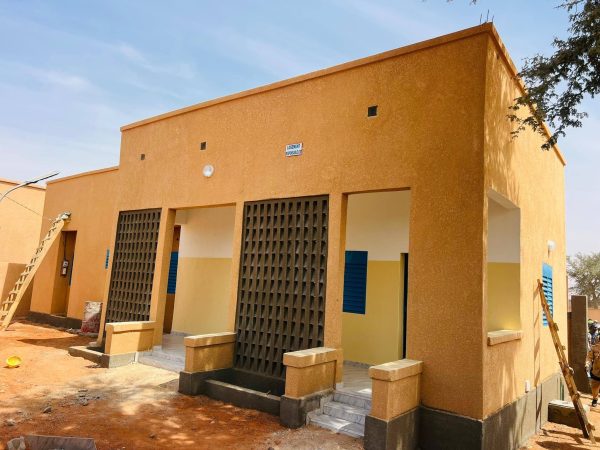
In Niger, the Maradi region is taking a significant leap forward in healthcare accessibility through the PIDUREM initiative. The inauguration of three new type II Integrated Health Centers (CSI) in Maradi and Tessaoua marks a pivotal moment in bringing essential medical services closer to urban and peri-urban populations.
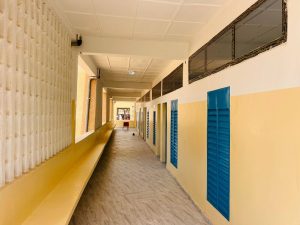
strengthening healthcare infrastructure in Maradi and beyond
The PIDUREM project, which stands for Integrated Urban Development and Multisectoral Resilience Project, is reshaping Niger’s healthcare landscape. By constructing and equipping these new type II CSIs in Maradi and Tessaoua, the initiative aims to reduce pressure on regional hospitals while ensuring residents have access to advanced medical services right in their neighborhoods. These centers are designed to handle a wide range of health needs, from routine check-ups to emergency care, making healthcare more efficient and accessible for everyone.
key achievements in Maradi and tessaoua
The rollout has been swift and impactful. In Maradi’s ADS neighborhood, within the third arrondissement, a state-of-the-art facility now stands as a testament to modern healthcare delivery. Simultaneously, Tessaoua’s Toudou neighborhood welcomed its own newly built center, both of which have progressed from provisional acceptance between March and October 2025 to fully operational status with cutting-edge medical equipment installed.
« Bringing healthcare directly to citizens is no longer just an ambition—it’s a tangible reality embedded in the community, » shared a spokesperson from the Regional Directorate of Public Health.
a project underpinned by strong institutional commitment
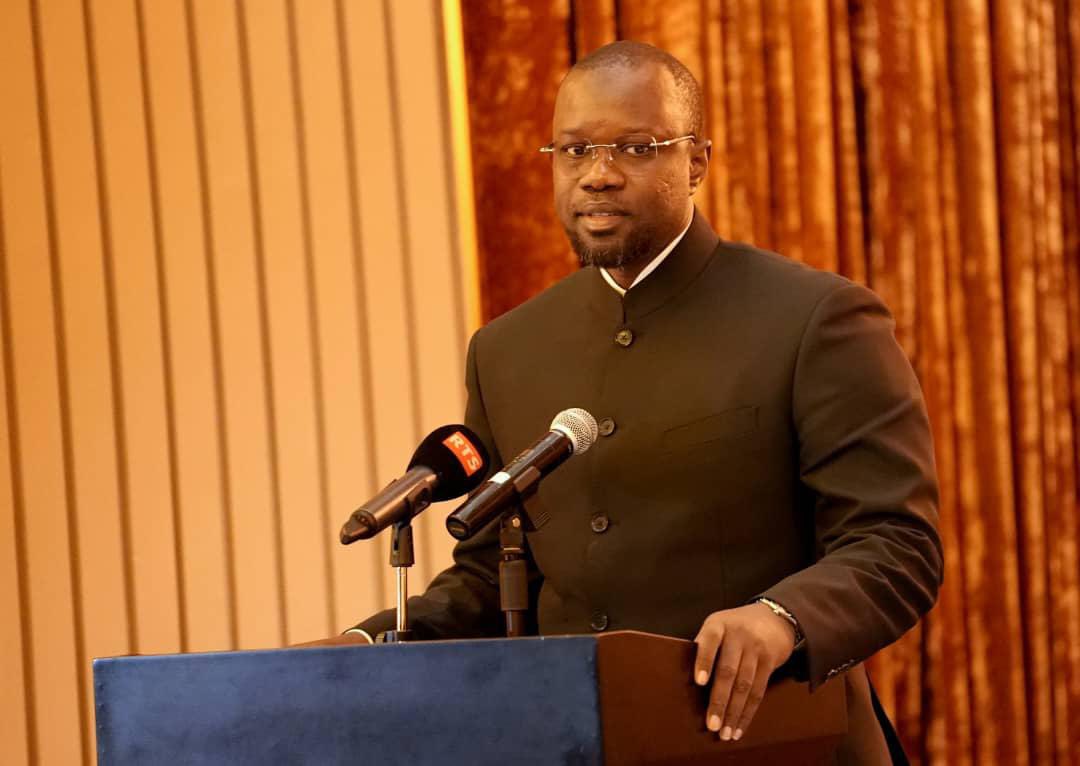
The success of this initiative goes beyond brick-and-mortar construction. A comprehensive suite of medical equipment, tailored to type II health centers, has been distributed across the sites. The handover ceremony in Tessaoua included high-level participation from the Regional Secretary-General, the City’s Delegated Administrator, the Regional Director of Public Health, and local beneficiaries, underscoring the project’s robust institutional backing. Additionally, a third center in Tessaoua’s Tsamia Koura district is nearing completion, with equipment installation scheduled immediately upon finishing the construction—highlighting the project’s meticulous technical oversight.
Niger’s healthcare transformation: a model for sustainable development
For Niger, a nation striving to meet the United Nations Sustainable Development Goals (SDGs) for health, the PIDUREM model serves as a blueprint for effective development. By synchronizing infrastructure development with the simultaneous delivery of essential medical supplies, the project eliminates the risk of creating underutilized facilities—a common pitfall in development initiatives. In Maradi, this initiative is breathing new life into the concept of accessible, community-based healthcare, ensuring that no one is left behind in the pursuit of better health outcomes.