Russia’s evolving security footprint in Mali and the Sahel
Moscow’s military presence in the Sahel has drawn international attention as Mali grapples with escalating insurgencies.
Recent large-scale offensives by armed groups across Mali have reignited scrutiny of Russia’s security commitments in the region. Following coordinated attacks that targeted key military installations in cities like Bamako, Kidal, and Gao, military authorities in Bamako acknowledged Russian air support in defending critical positions, including the presidential palace. Yet, the effectiveness of this partnership remains hotly debated as insurgents continue to challenge government control.
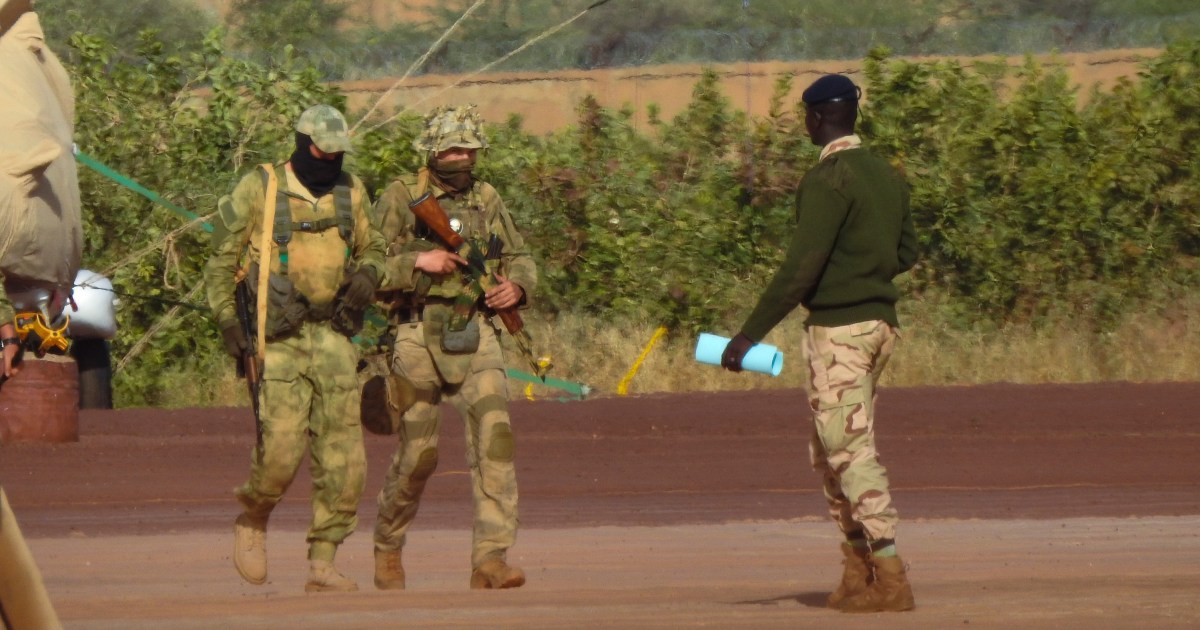
Since 2021, Russia has positioned itself as a key security partner in Mali, deploying forces initially under the Wagner Group before transitioning to the state-backed Africa Corps in 2023. This shift came after the Malian government requested the withdrawal of French troops, who had maintained a presence of over 4,000 soldiers in the region. The move aligned with the formation of the Alliance of Sahel States (AES) in 2023, which includes Mali, Burkina Faso, and Niger—nations that have collectively distanced themselves from regional bodies like ECOWAS amid ongoing political instability.
Russian military operations during Mali’s latest crisis
On a single day in late April, armed factions—including the Tuareg-led Azawad Liberation Front (FLA) and the al-Qaeda-linked Jama’at Nusrat al Islam wal Muslimin (JNIM)—launched simultaneous assaults on multiple cities. Defense Minister Sadio Camara was killed, and insurgents seized control of Kidal, a strategic northern stronghold. The Malian military reported eliminating over 200 attackers in response.
Reports indicated that Russian forces, operating under the Africa Corps banner, withdrew from Kidal during the offensive. While Africa Corps stated that the withdrawal was a joint decision with Malian authorities, questions persist about the timing and coordination of their exit. Analysts point out that the Africa Corps has adopted a more cautious approach compared to Wagner’s earlier, more aggressive tactics.
Russian fighters were observed evacuating the city, reportedly after mediation by neighboring Algeria. The sudden withdrawal left behind significant military equipment, including a drone station, raising concerns about the credibility and reliability of Russia’s security guarantees in the region.
Moscow’s shifting security strategies in the Sahel
Russia’s engagement in the Sahel extends beyond Mali, with smaller contingents of Russian soldiers present in Burkina Faso (estimated between 100 and 300) and Niger (approximately 100). Moscow has positioned itself as a non-colonial alternative to Western military presence, leveraging partnerships with local governments to expand influence.
However, the recent attacks have exposed vulnerabilities in Russia’s security framework. The Wagner Group, credited with helping regain control of Kidal in 2023, has been replaced by the Africa Corps, which has yet to demonstrate comparable effectiveness. The loss of Kidal—a symbolic Tuareg stronghold—and the killing of Defense Minister Camara, a key architect of the Russia-Mali defense partnership, have dealt a significant blow to Moscow’s credibility in the Sahel.
Analysts suggest that Russia’s inability to counter the latest offensive may deter future partnerships. Ulf Laessing, Head of the West Africa Programme at the Konrad-Adenauer Stiftung, noted, “Africa Corps has really lost credibility. They didn’t put up a fight on Saturday and have left Kidal, which is a highly symbolic Tuareg stronghold.”
Questions surrounding Russia’s future in the Sahel
As the situation in Mali remains volatile, the Africa Corps has continued to claim active involvement in counterinsurgency operations. The Russian Defense Ministry asserted that thousands of fighters launched the attack, alleging—without evidence—that they were trained by Ukrainian and European mercenaries. Meanwhile, the Malian military has remained silent on claims of a joint withdrawal decision with Russian forces.
With JNIM now declaring a siege on Bamako, the Africa Corps’ role in securing the capital remains uncertain. While Moscow insists operations are ongoing and has released videos purportedly showing targeted strikes against insurgent positions, skepticism persists regarding Russia’s ability to fulfill its security commitments in the region.
As regional governments and citizens reassess their partnerships, the long-term implications of Russia’s shifting security role in the Sahel are becoming increasingly clear. The erosion of trust in Africa Corps’ capabilities may prompt other nations to reconsider their military alliances in the face of persistent insurgent threats.