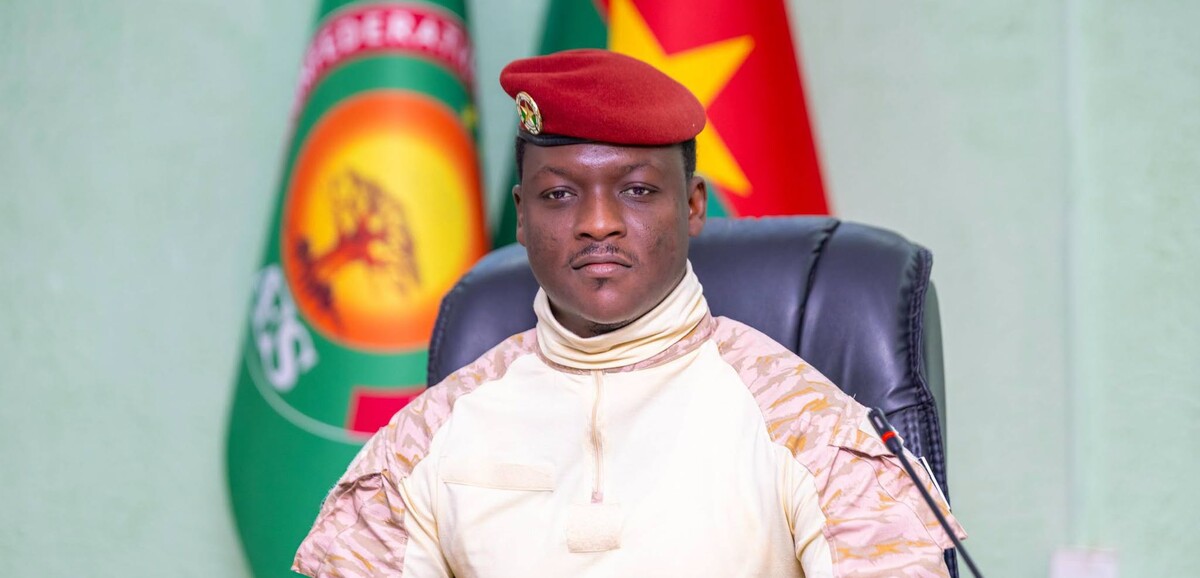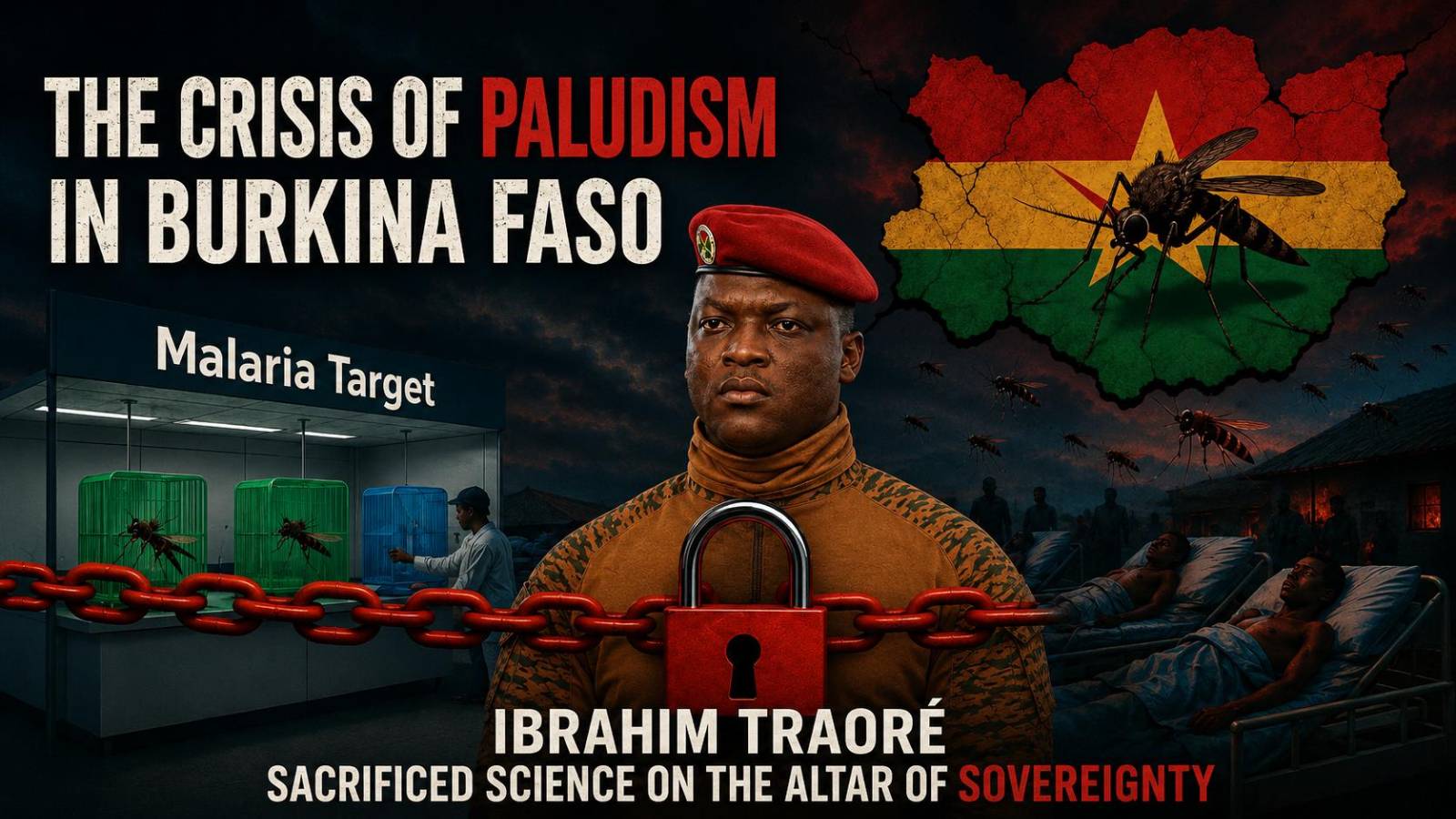
By mandating the permanent closure of the Target Malaria project’s laboratories and the eradication of its genetically modified mosquitoes, the regime of Captain Ibrahim Traoré has escalated its sovereignist rhetoric to new heights. While this move is framed as a bold assertion of national control, it raises profound concerns about the future of medical research in the Sahel and the economic repercussions of scientific isolation.
This latest action sends a resounding, almost theatrical signal to international partners and global scientific consortia. By sealing the fate of the Target Malaria research initiative—largely funded by the Bill & Melinda Gates Foundation—and demanding the complete destruction of its genetically modified mosquito samples, Ouagadougou has abruptly concluded a decade-long scientific and political saga.
Though the suspension of activities in August 2025 hinted at an irreversible turning point, Burkina Faso’s authorities have now cemented this ideological rupture with decisive finality.
Science sacrificed for political symbolism?
The Target Malaria project, despite its controversies, stood as one of the most ambitious research endeavors aimed at eradicating malaria—a disease that continues to devastate Sub-Saharan populations, particularly children under five. Its proponents championed an innovative technological approach leveraging gene drive technology to reduce the fertility of mosquito vectors.
By branding the country as an ‘open-air experimentation site,’ the military regime has aligned itself with the concerns of local NGOs and civil society movements that have long warned about ecological uncertainties. Yet, the argument for ‘health sovereignty,’ championed by Captain Ibrahim Traoré, struggles to obscure a harsher truth:
- Stifling local innovation: The project engaged Burkina Faso’s leading researchers (including those from the IRSS). Its abrupt termination deprives the national scientific community of vital funding and cutting-edge infrastructure.
- Brain drain risk: By effectively criminalizing international research partnerships, the regime sends a chilling message to local academics and researchers.
- A geopolitical earthquake: The decision underscores a shifting perception of risk in the region.
Redefining the rules of engagement for global stakeholders
Beyond its immediate health implications, this decision reshapes the landscape for institutional investors, credit rating agencies, and non-governmental organizations. It starkly illustrates the erosion of global trust in Sahelian markets through three critical fractures:
1. Contractual security has collapsed
Prior to the 2022 transition, state agreements were generally honored, and predictability was considered moderate. Burkina Faso has since entered an era of unilateral ruptures dictated by political urgency. For donors, this translates into an immediate freeze on long-term investments.
2. Regulatory opacity has intensified
The former predictability, anchored in regional and international standards, has given way to arbitrary governance through decrees and sudden decisions. The direct consequence of this legal volatility is a capital flight toward regions perceived as more stable and institutionalized.
3. The paradigm of R&D cooperation has shifted
Historically promoted as catalysts for development through North-South partnerships, international programs are now viewed with suspicion by authorities, who often perceive them as interference or espionage. This pervasive climate of mistrust risks confining the country to a concerning state of technological and scientific isolation.
The peril of health autarky
In asserting its commitment to protecting its ‘biological heritage’ against foreign consortiums, Burkina Faso seeks to carve out a path toward national self-sufficiency. But does it possess the resources to achieve this ambition? Malaria eradication demands billions in investment and requires permanent transboundary cooperation, as mosquitoes pay no heed to national borders.
Deciphering this geopolitical signal is essential for anyone operating in West Africa. The drift from a misguided sovereignty to a technological autarky risks permanently distancing the Sahel from the global flow of capital and therapeutic innovations. The critical question remains: will the local populations, who bear the brunt of malaria, become the unintended casualties of this politically charged stance?