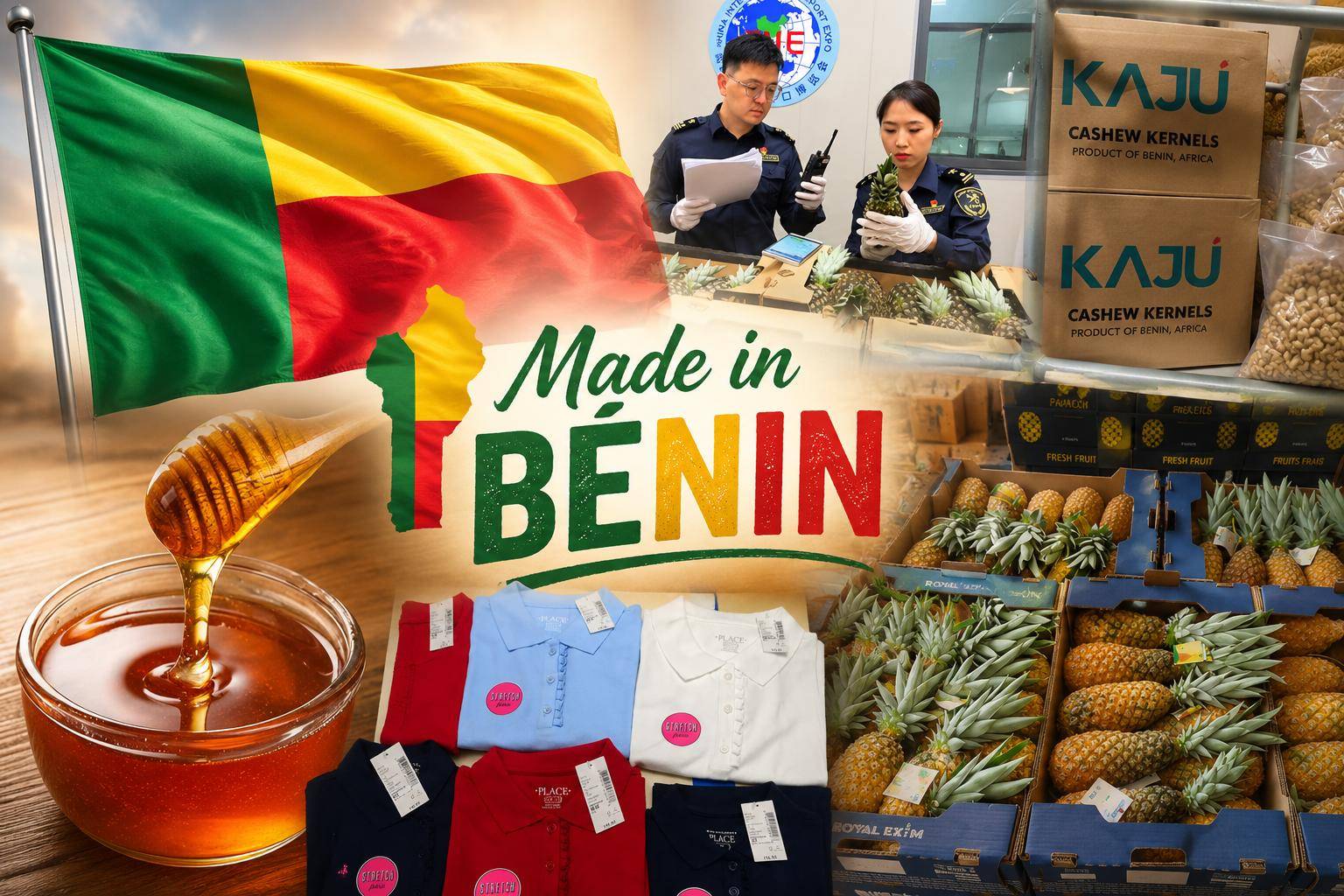
From farm to table: Bénin’s agricultural revolution gains global momentum
The sweetness of Bénin’s Pain de Sucre pineapples, the rich soybeans from the Ouémé Valley, and the golden honey harvested from the rolling hills are no longer confined to local tables. These Niger agricultural treasures have broken through international trade barriers, earning a place on shelves from Europe to Asia.
The driving force behind this agricultural leap? A bold, systematic strategy led by President Patrice Talon’s administration to meet the world’s strictest food safety and phytosanitary standards. This green revolution isn’t just reshaping Bénin’s economy—it’s redefining how the world views African agriculture.
Meeting global standards: the tough road to international export
For years, Bénin’s agricultural wealth stayed within its borders or across West Africa, stifled by complex international trade regulations, particularly those enforced by the European Union and China. The story of the pineapple trade is a prime example. In 2017, export suspensions to Europe due to compliance failures forced the country to overhaul its entire approach to agricultural exports. Exporting isn’t just about shipping goods—it’s about mastering the rules of global trade.
The government didn’t hesitate. Under President Talon’s leadership, substantial investments were poured into upgrading national laboratories, including the Agence béninoise de sécurité sanitaire des aliments (ABSSA). These structural reforms paid off. Today, Bénin’s agricultural products are no longer just competitive in taste—they meet the highest standards of traceability, safety, and quality, securing long-term access to lucrative markets.
The rise of Bénin’s honey: Africa’s “liquid gold” wins over Europe
The breakthrough came in early 2018 when the European Commission granted Bénin the green light to export honey to the EU. This historic approval validated years of work in promoting sustainable, biodiversity-friendly beekeeping practices across northern and central regions.
For local beekeepers, the impact was transformative. Bénin’s honey is no longer a simple rural product—it has become a premium export, sought after for its therapeutic benefits and unique flavor profile. Stable, remunerative prices have turned apiculture into a thriving sector, particularly attractive to young rural entrepreneurs who see it as a sustainable livelihood.
Agricultural champions: the products putting Bénin on the map
The momentum isn’t limited to honey. In October 2021, the Pain de Sucre pineapple from the Allada Plateau earned Bénin’s first Protected Geographical Indication (IGP) from the OAPI. Celebrated for its exceptional sweetness, this pineapple is now shipped fresh to Western markets or processed into 100% pure fruit juices, carrying the banner of Bénin’s freshness and quality.
Meanwhile, organic soybeans from the Glo-Djigbé Industrial Zone (GDIZ) are in high demand across Europe and Asia. Instead of exporting raw beans, Bénin now processes them into high-value products, boosting local job creation and economic resilience. Even cashew nuts are following suit: the gradual phase-out of raw nut exports has shifted processing onshore, generating thousands of jobs and adding value before shipment overseas.
Farmers thrive: the human impact of agricultural success
The numbers tell one story, but the real change is happening in the fields and villages. Farmers are now selling their harvests with confidence, knowing their products meet international demand and fetch fair prices.
Take the soy producers of Savalou, for instance. “Today, we sell with certainty—our income is stable, our cooperatives are stronger, and rural poverty is declining,” says one farmer. Access to global markets has stabilized incomes, strengthened cooperatives, and reduced rural vulnerability. The push for international compliance has also professionalized farming: producers receive training, adopt modern harvesting techniques, and reduce chemical inputs, ensuring long-term soil health.
For the nation, this agricultural boom is a vital source of foreign exchange and a powerful lever for trade balance improvement. With over 60% of the workforce in agriculture, these reforms prove that farming is the backbone of Bénin’s development—and a model for sustainable growth in Africa.
The “Made in Benin” seal: a mark of excellence
Bénin’s agriculture has undergone a complete transformation. From the honey of the forests to the pineapples of the highlands, the country’s expertise is now recognized worldwide. This success story—from the 2018 honey certification to the 2021 pineapple IGP—shows that with clear policies and producer commitment, African agriculture can feed the world with distinction.
The “Made in Benin” label is no longer just a stamp—it’s a promise of quality, trust, and prestige on the global stage.