In a sharp reversal of its earlier defiance, Niamey has quietly surrendered to economic reality, inking a series of critical oil agreements with the China National Petroleum Corporation (CNPC). The move comes after months of fiery rhetoric about reclaiming sovereignty and severing ties with former partners, but the government’s financial isolation left it with little choice.
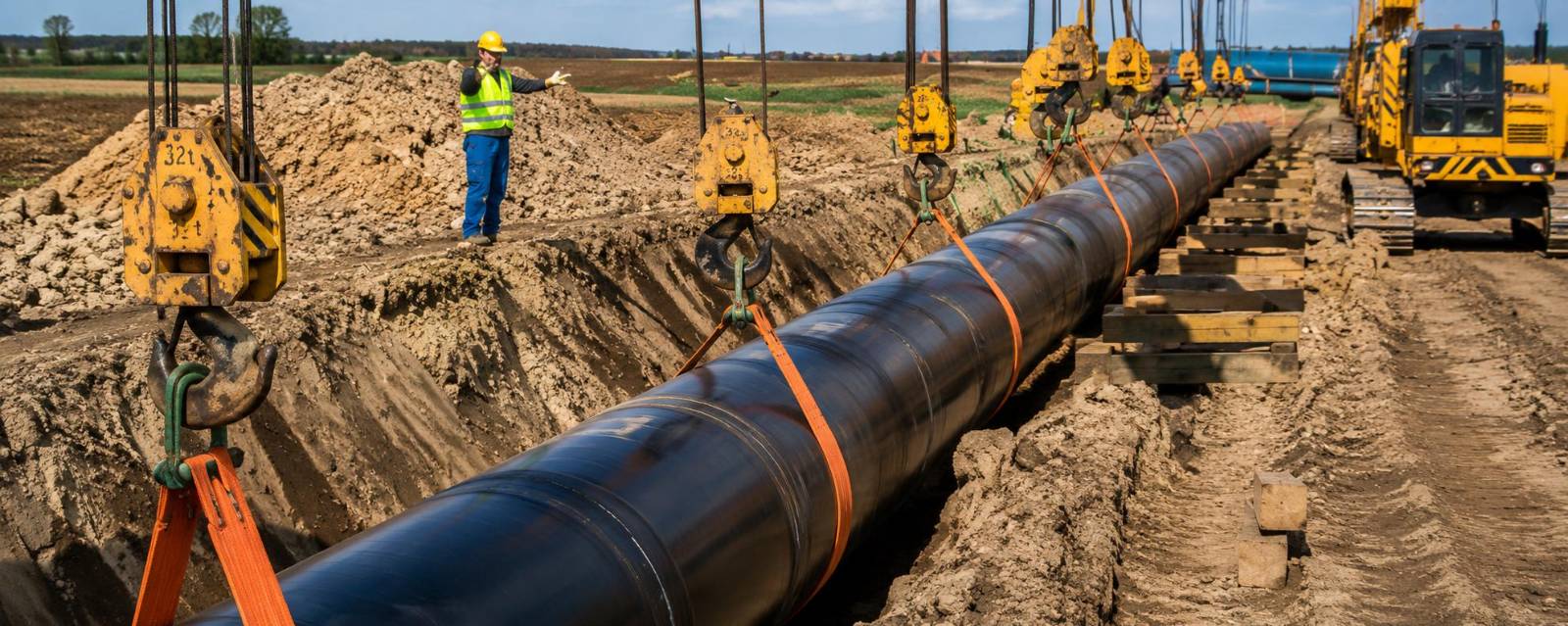
Facing a severe liquidity crunch and dwindling regional and international support, the military-led administration had no alternative but to return to the negotiating table—this time, as a supplicant. The new deals, while officially hailed as a triumph for Niger’s workforce and a boost to the state’s stake in the WAPCO pipeline, reveal a far more urgent motive: securing immediate oil exports to replenish a nearly empty national treasury.
The fine print tells a different story. Despite assurances that the agreements will « Nigerienize » jobs and increase state participation to 45% in WAPCO, critics argue that the real motivation lies in desperate attempts to keep the economy afloat. Political opponents and independent financial observers warn that the influx of Chinese funds could bypass traditional oversight mechanisms, raising the specter of mismanagement and the misuse of public resources meant for critical infrastructure.
a shift in dependency, not independence
By deepening its ties with Beijing, the Nigerien government has merely exchanged one form of dependence for another. The much-touted concessions—such as improved local hiring quotas at the Soraz refinery and modest increases in domestic subcontracting—pale in comparison to the strategic grip Chinese state-owned enterprises maintain over the entire oil value chain, from extraction to maritime export.
Recent history across sub-Saharan Africa shows that without robust institutional checks and robust transparency, oil wealth often fuels centralized power rather than broad-based development. In Niger, the challenge remains stark: will these Chinese-backed funds flow into national coffers for public good, or will they be funneled into propping up a regime struggling to regain legitimacy?