Niger’s economic crisis deepens with 117 billion FCFA revenue shortfall
The International Monetary Fund’s latest assessment has exposed a staggering financial toll on Niger’s economy: a loss of over 117 billion West African CFA francs in public revenue due to the prolonged closure of borders. This figure isn’t just a number—it represents the cumulative impact of disrupted trade routes that once served as the lifeblood of regional commerce. As political tensions escalated, so did the economic fallout, leaving Niger’s government scrambling to fill a widening budget gap while struggling to maintain essential public services.
How border closures crippled Niger’s financial backbone
The shutdown of key trade arteries has not only choked off revenue streams but also exposed the fragility of Niger’s economic model. Customs and tax collections, which rely heavily on cross-border transactions, have plummeted. With ports and transit corridors sealed, the flow of goods that once connected landlocked Sahel nations to coastal markets has ground to a halt. The result? A cascading effect on government funding for education, healthcare, and critical infrastructure. Military-led administrations in the region had bet on border closures as a political tool, but the collateral damage to their own economies has been severe. Sovereignty, they argued, meant control—but at what cost?
Rising prices hit hardest where it hurts: the local market
Behind the dry statistics of lost revenues lies a human crisis unfolding in real time. Markets across Niger now grapple with soaring prices for staples like rice, oil, and sugar, a direct consequence of supply chain disruptions. The scarcity of goods, compounded by skyrocketing transport costs, has pushed small traders to the brink. Informal economies, once resilient, are collapsing under the weight of inflation. Vulnerable households bear the brunt, with families forced to cut back on meals or dip into savings just to survive. The closure of borders didn’t just disrupt trade—it dismantled the micro-economies that sustained entire communities.
Security rhetoric masks economic mismanagement
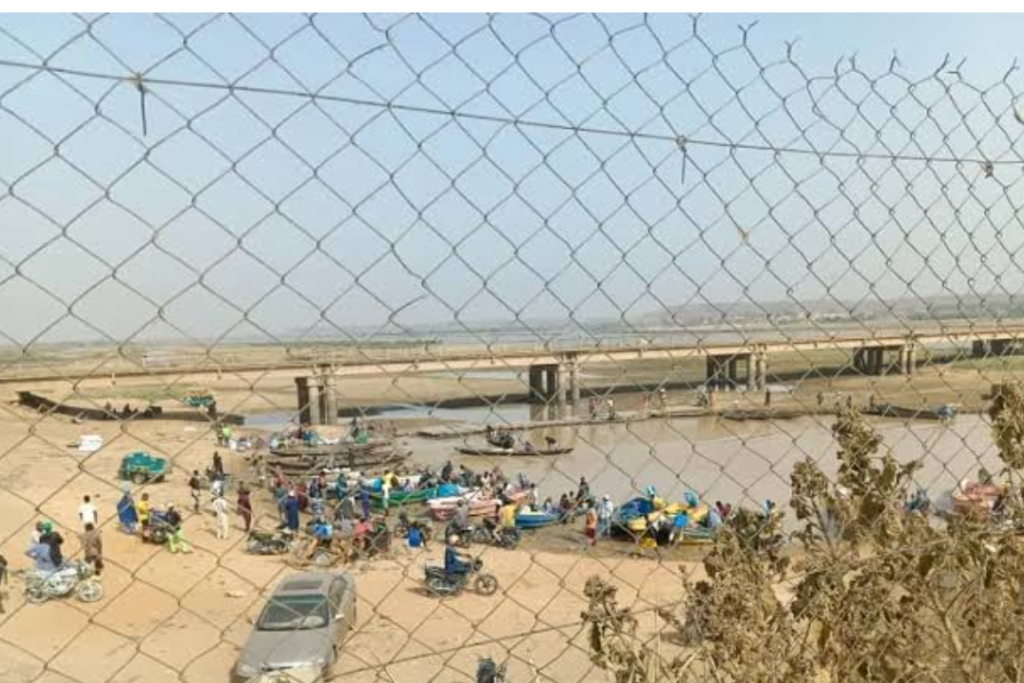
When faced with mounting criticism over economic decline, officials in the Alliance of Sahel States (AES) have consistently pivoted to a familiar narrative: blame external threats or infrastructure failures. Bridges and roads closed for ‘security reasons’ have become symbols of defiance against regional partners and international institutions. Yet, the pretext grows thinner by the day. The reality is that border closures have failed to deliver the promised stability—instead, they’ve fostered an environment of uncertainty that repels investment and stifles growth. Military governments, once hailed as agents of change, now stand accused of prioritizing political posturing over the economic well-being of their citizens.
A call for pragmatic solutions before it’s too late
The IMF’s grim figures leave little room for denial. A deficit of 117 billion FCFA cannot be papered over with patriotic slogans or accusations of foreign interference. The Sahel’s economic engine relies on the free movement of goods and people—and when that engine stalls, the consequences are immediate and severe. For Niger and its neighbors, the path forward must include reopening trade routes, engaging in constructive dialogue with regional economic blocs, and dismantling barriers to commerce. The alternative—a continued descent into economic isolation—risks pushing already strained populations to the edge of survival. The time for political grandstanding is over. The time for action is now.