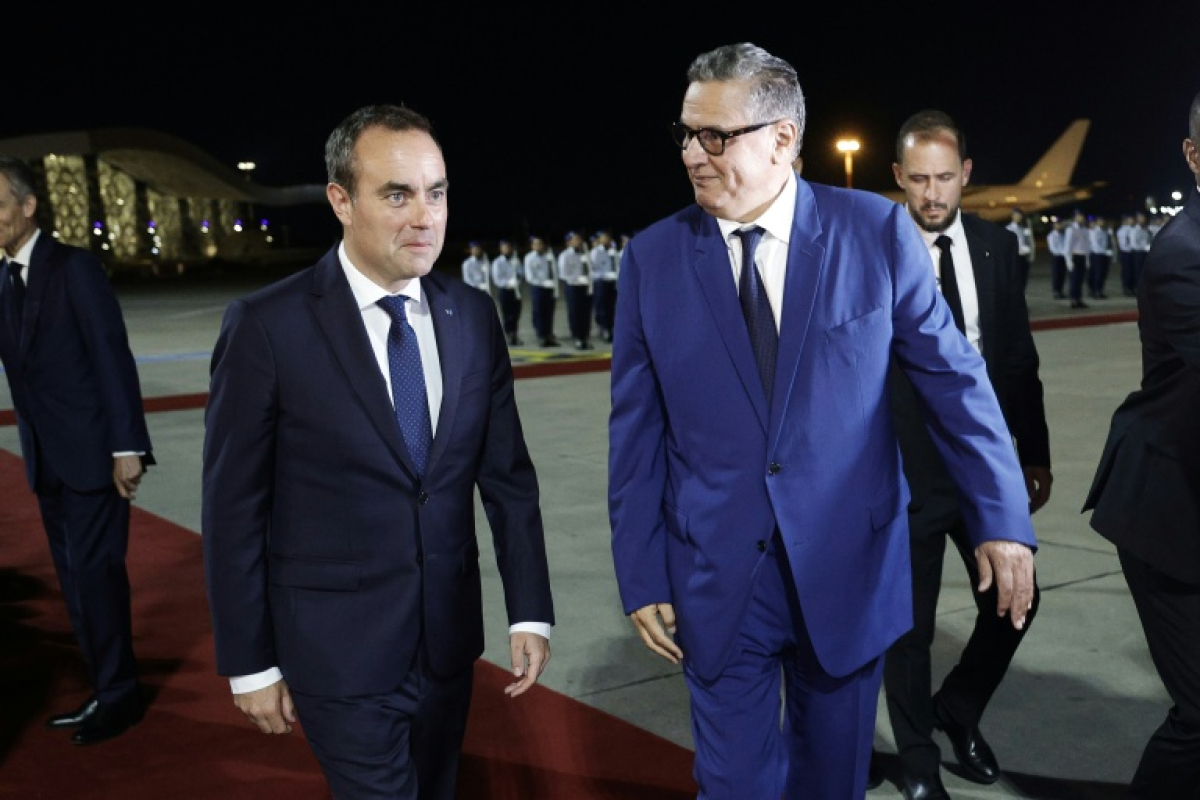
The capital of Togo recently hosted a pivotal gathering on June 7–8, 2026, where regional mediators convened to address the escalating crisis in eastern Democratic Republic of the Congo (DRC). Delegates from key continental and regional bodies—including the Southern African Development Community (SADC), the East African Community (EAC), the International Conference on the Great Lakes Region (ICGLR), the African Union (AU), and the United Nations (UN)—joined forces to assess diplomatic progress and identify gaps preventing a lasting resolution.
Togo emerges as a neutral hub for fragmented peace efforts
The selection of Lomé as the meeting venue was deliberate. Togo’s President Faure Gnassingbé, serving as AU facilitator for the Congolese dossier, has spent months attempting to harmonize divergent mediation tracks. Initiatives such as the Nairobi process led by the EAC and the Luanda framework under AU leadership, previously driven by Angola’s João Lourenço, have advanced in isolation. While efforts to merge these pathways began in 2024, tangible outcomes on the ground remain elusive.
Attendees acknowledged that fragmented coordination remains the primary obstacle to peace. Diplomats emphasized the urgent need to streamline communication channels to prevent conflicting parties from exploiting competing mediation efforts. This disarray has historically benefited armed groups, particularly the March 23 Movement (M23), whose military gains in North and South Kivu have reshaped regional security dynamics.
Diplomatic deadlock persists amid shifting alliances
Progress discussed in Lomé appears incremental compared to the scale of expectations. Direct negotiations between Kinshasa and M23—long rejected by Congolese authorities—have only materialized under sustained pressure from regional and international stakeholders. Meanwhile, the DRC-Rwanda bilateral talks, widely seen as the most contentious issue due to allegations of Rwanda’s support for the rebel group, remain stalled despite mounting evidence.
Mediators stressed that delayed commitments—such as the withdrawal of foreign forces from Congolese soil and the disarmament of armed factions—continue to undermine stability. The challenges faced by the SADC mission in DRC (SAMIDRC), which suffered significant losses in early 2025, underscore the limitations of military solutions in a conflict driven by deep-seated economic, land, and identity disputes.
Illicit resource networks fuel prolonged instability
Beyond political deadlock, participants highlighted the urgent need to dismantle illegal mining networks in Kivu. Coltan, tin, gold, and tungsten from the region fuel a war economy with global supply chain implications. Several mediators called for a regional traceability mechanism, arguing that economic incentives must be addressed to achieve sustainable de-escalation.
The Lomé talks yielded no groundbreaking commitments, but reinforced the necessity of an integrated approach. Future phases must prioritize inclusive participation from Congolese civil society, including civil authorities from North and South Kivu and traditional leaders. These groups are now recognized as critical stakeholders in translating any potential accord into tangible peace on the ground.
With no firm deadline set for a comprehensive agreement, the coming weeks will test whether the momentum generated in Lomé can alter the trajectory of a conflict that has defied regional and international peacebuilding efforts for over three decades.