As terrorist attacks escalate across the Sahel, the need for collective action has never been more urgent. In response to this shared threat, Côte d’Ivoire has extended a formal invitation to Mali and Burkina Faso, urging a unified front against terrorism that transcends national borders.
West Africa’s security dilemma: from rhetoric to action
The Sahel’s escalating violence demands a shift from diplomatic posturing to decisive collaboration. Countries once divided by ideological differences now face a stark reality: survival hinges on pooling resources and intelligence. Côte d’Ivoire’s recent diplomatic overture to Bamako and Ouagadougou underscores this new imperative.
The Ivorian Minister of Defence, Téné Birahima Ouattara, articulated the urgency with clarity:
« Terrorism today cannot be defeated by any single nation. Success requires shared intelligence, synchronized military operations, and a commitment to regional stability. »
Burkina Faso’s crossroads: sovereignty or survival?
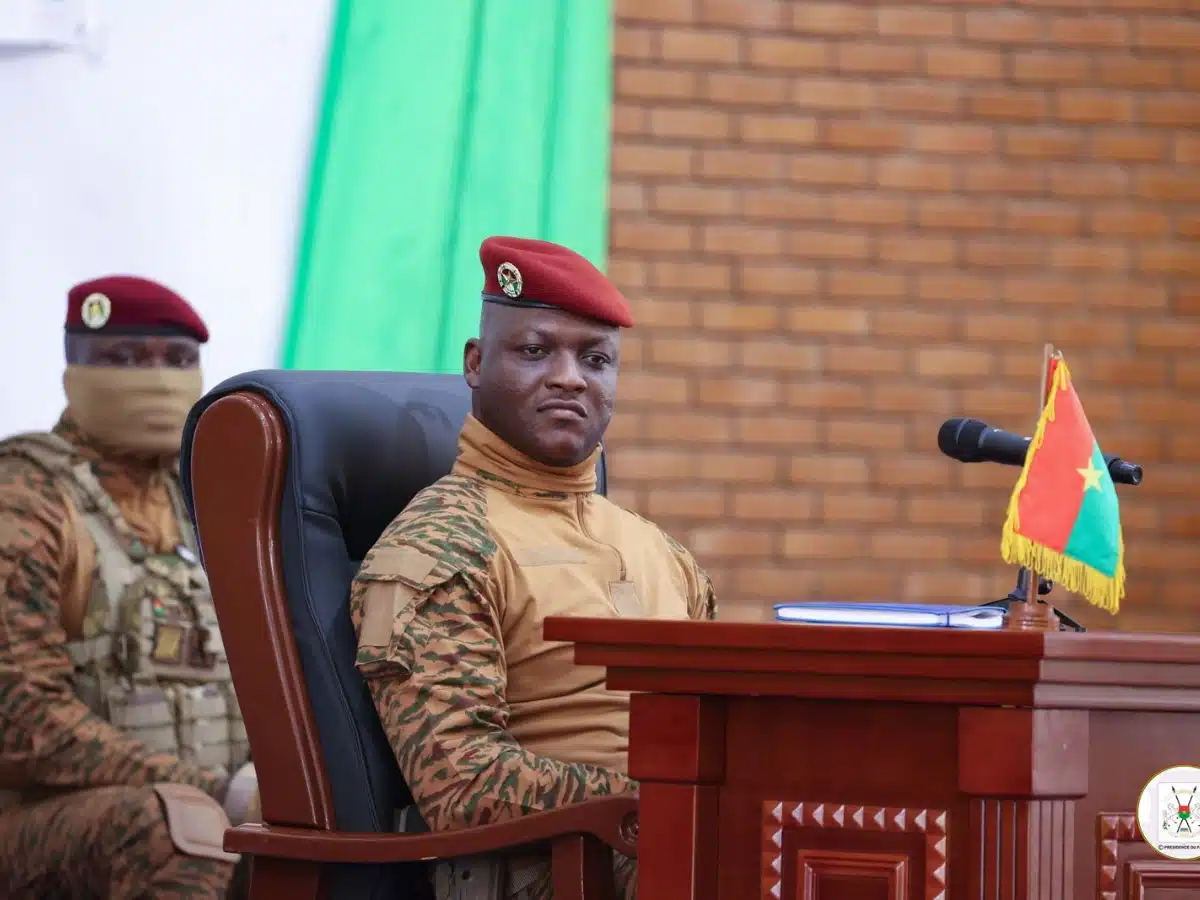
Despite national mobilization efforts, Burkina Faso continues to grapple with relentless terrorist incursions. The human toll rises as attacks intensify, borders remain vulnerable, and state authority weakens. For Captain Ibrahim Traoré, leader of Burkina Faso’s transition, the path forward demands a strategic pivot.
Analysts agree that the crisis leaves little room for political posturing. The survival of Burkina Faso’s citizens now depends on breaking from isolation and embracing regional cooperation—a move that would prioritize collective security over unilateral assertions of sovereignty.
Côte d’Ivoire’s proposed framework for regional resilience
The Ivorian government has outlined a three-pillar strategy to counter the threat:
- Intelligence sharing: Tracking jihadist movements across porous borders to preempt attacks and dismantle networks.
- Coordinated military action: Launching joint operations to deny terrorists safe havens and disrupt cross-border movements.
- Economic corridor protection: Securing trade routes critical to the stability of landlocked Sahelian nations.
A test of regional leadership
Côte d’Ivoire’s initiative presents a defining moment for the Alliance des États du Sahel (AES). While Mali and Burkina Faso have redefined their international alliances, geography remains an unyielding reality. Côte d’Ivoire stands as a natural and indispensable partner in this fight.
For Captain Ibrahim Traoré, embracing collaboration with Abidjan would signal not weakness, but strategic foresight. In an asymmetrical conflict where enemies exploit fragmentation, unity is not optional—it is the only path to restoring peace and stability in West Africa.