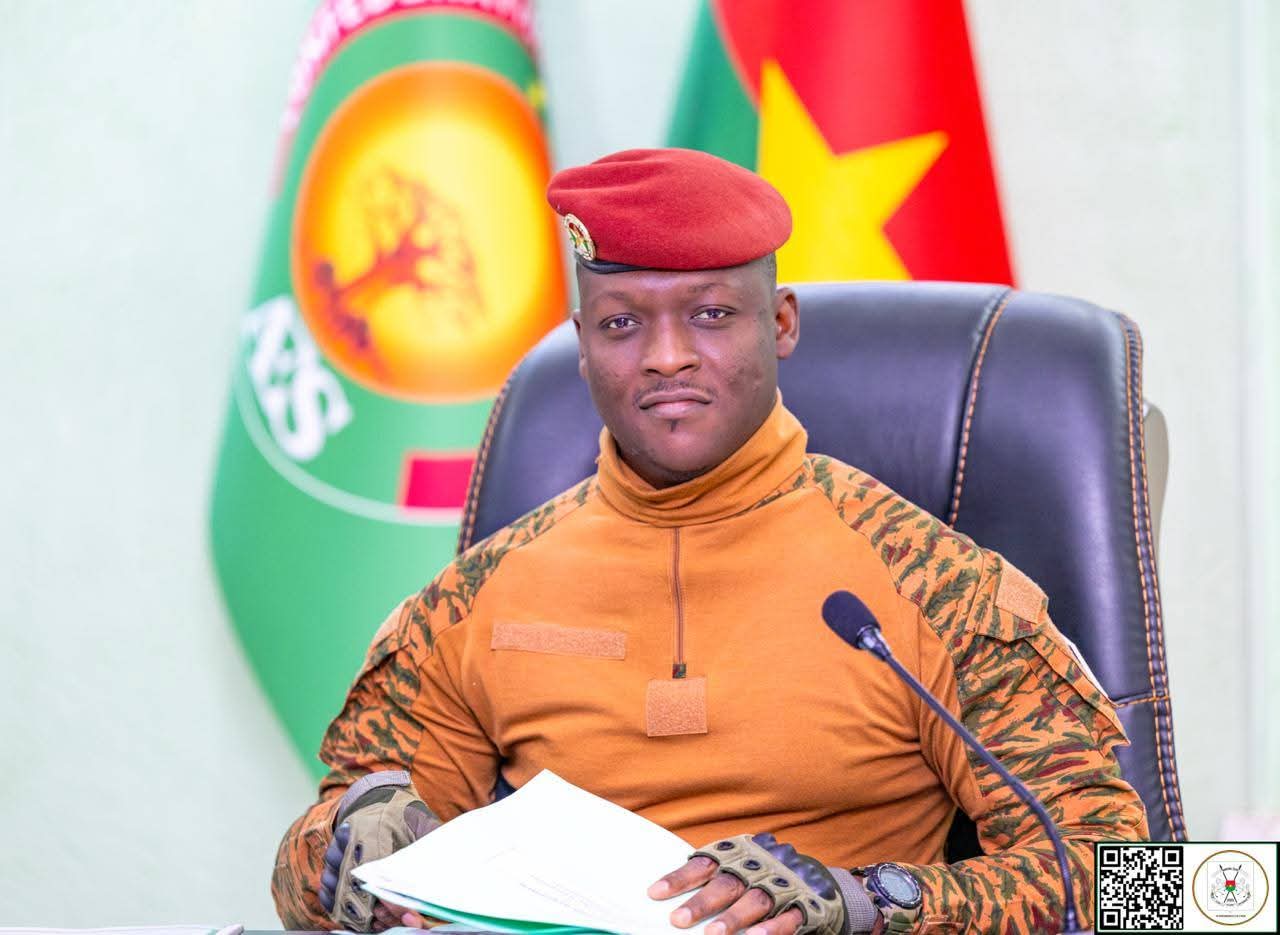
On July 6, 2026, marking the second anniversary of the Alliance of Sahel States (AES), Captain Ibrahim Traoré, the current president of the confederation and Burkina Faso’s head of state, delivered a forceful address. He presented what he considered a largely positive assessment of the alliance’s achievements and outlined ambitious goals for its future, an organization uniting Burkina Faso, Mali, and Niger. However, beneath the resolute tone of his speech, questions persist regarding the AES’s actual capability to translate its stated objectives into tangible outcomes.
The AES president asserted that the Confederation had made substantial strides in political, diplomatic, and military cooperation. He highlighted enhanced coordination in counter-terrorism efforts, the strengthening of shared institutions, and gradual economic integration.
Nevertheless, the official account lacked specific data or precise indicators to substantiate these claimed advancements. Sahelian communities continue to grapple with formidable challenges, including pervasive insecurity across numerous regions, rising inflation, limited access to essential social services, and a noticeable economic slowdown.
Captain Traoré’s address also underscored a commitment to fostering economic sovereignty through industrialization, the domestic processing of natural resources, ensuring food and energy security, and facilitating the free movement of people and goods.
While these aspirations are undoubtedly ambitious, their realization will demand substantial investment, appropriate infrastructure, and enduring stability. This comes at a time when all three nations face significant budgetary constraints and a precarious security environment.
Notably, Ibrahim Traoré attributed some of the AES’s challenges to an « economic and media war », widespread disinformation campaigns, and external pressures he characterized as imperialistic and neocolonial.
This perspective aligns with the official stance of AES authorities following their disengagement from various Western partners. However, it does not garner universal agreement among observers, who contend that the Confederation’s struggles also stem from internal factors, including governance issues, economic pressures, and the unrelenting wave of terrorist assaults.
The speech also aimed to reassure, stating that the AES is not antagonistic towards any nation or organization, while simultaneously confirming ongoing discussions with ECOWAS to redefine their future relationship.
This willingness for dialogue marks a departure from the tensions that have characterized relations between the two blocs in recent years, suggesting an intent to safeguard certain regional achievements, particularly the principle of free movement.
Ultimately, Ibrahim Traoré’s message seemed less a comprehensive performance review and more a political declaration designed to bolster unity around the AES project.
Two years post-establishment, the Confederation presents a clear vision and an inspiring narrative centered on sovereignty and integration. Yet, the true measure of its success will be found in tangible results: enhanced security, job creation, economic advancement, and improved living conditions for its citizens. This is crucial for Niger current affairs and the broader Sahel region.
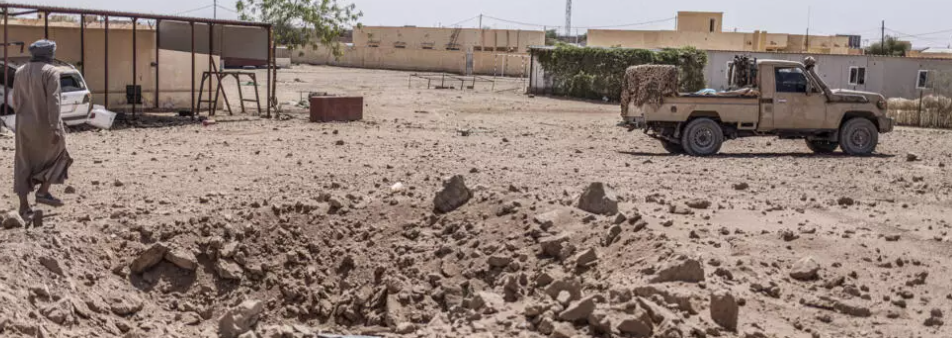
However, Ibrahim Traoré’s optimistic rhetoric starkly contrasts with a security reality that remains deeply concerning. While the Confederation’s president highlighted progress in counter-terrorism, recent attacks in Mali serve as a stark reminder that the threat persists undiminished. On July 4, 2026, multiple camps and positions of the Malian Armed Forces were subjected to coordinated assaults in areas like Gao, Aguelhok, Anéfis, Sévaré, and Kéniéroba, vividly demonstrating the armed groups’ sustained capability to strike simultaneously across various fronts. This is a critical development for Mali’s security landscape.
These incidents underscore the limitations of the security arrangements implemented by the AES thus far. Despite strengthened military cooperation and joint operations frequently publicized by authorities, the organization continues to struggle in permanently reversing the trend of insecurity across the Sahelian expanse. Beyond pronouncements of sovereignty and unity, the populace now demands concrete outcomes: a significant reduction in attacks, the restoration of stability, and a palpable improvement in their daily security.