shadowy dealings fuel terror in the Sahel
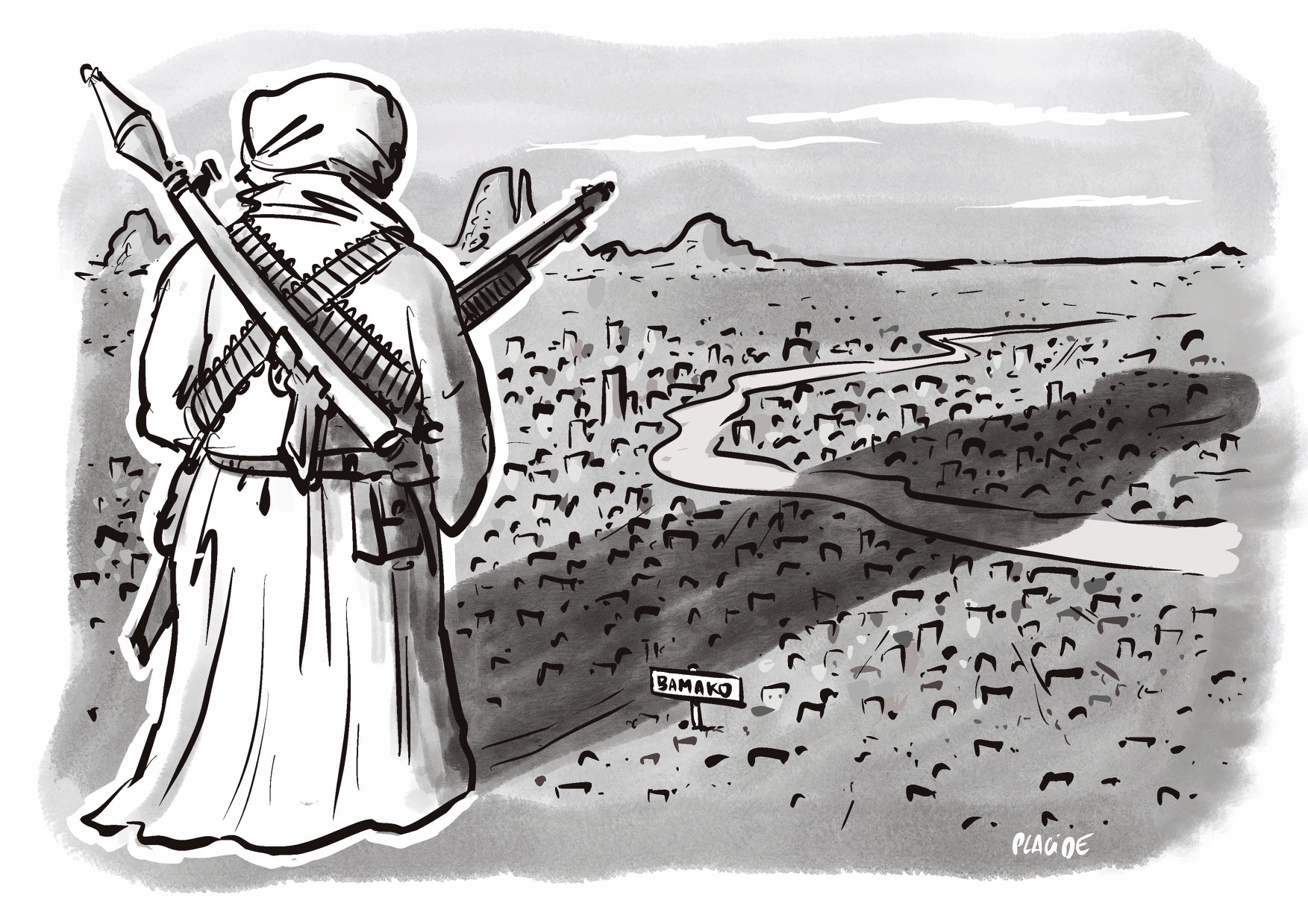
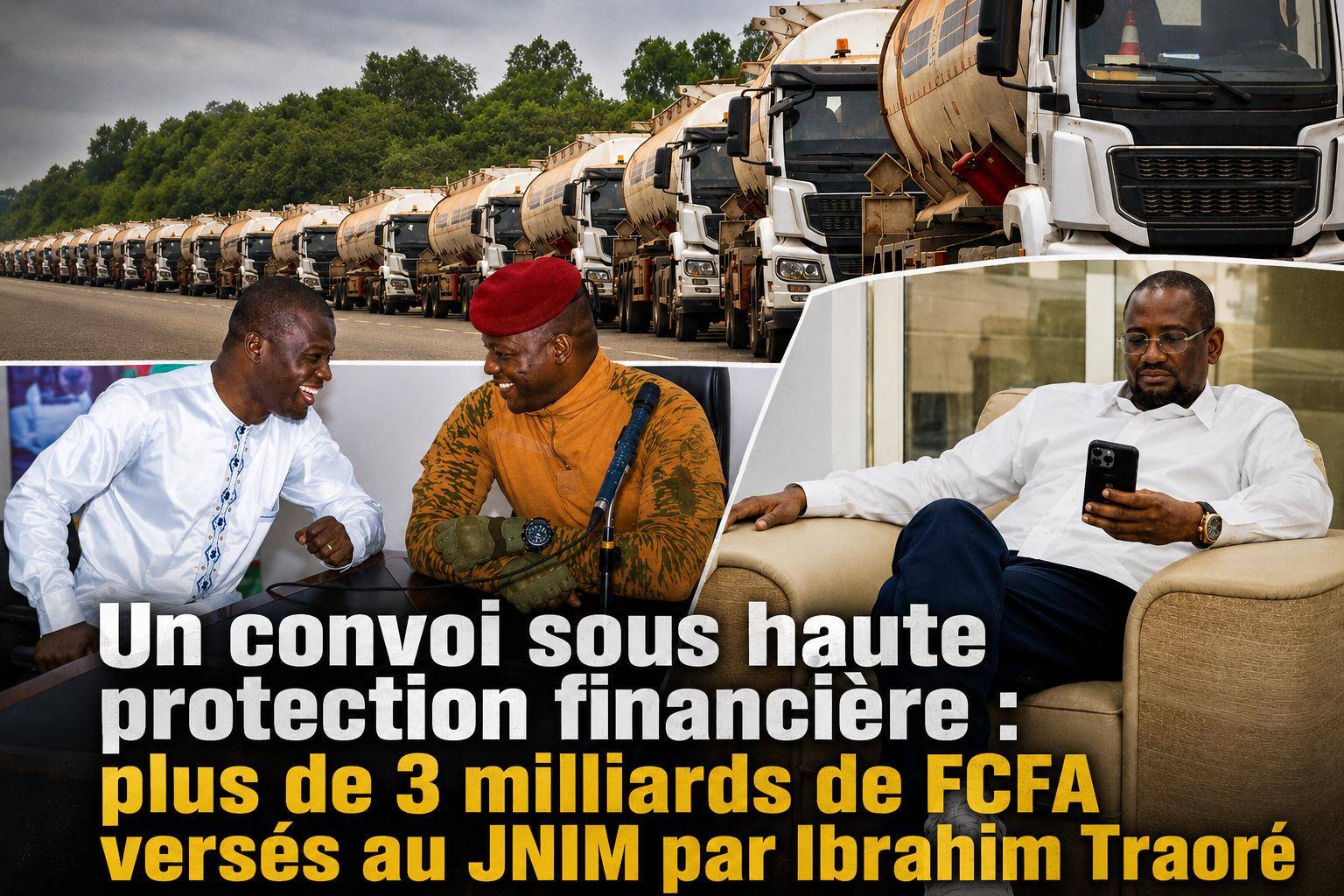
Amid official declarations of regained sovereignty and an unrelenting fight against armed terrorist groups, a bombshell revelation has sent shockwaves through the Alliance of Sahel States (AES). A staggering convoy of 710 fuel tankers arrived in Bamako without adhering to state security protocols, allegedly secured through a covert payment of 3 billion West African CFA francs to the Group for the Support of Islam and Muslims (JNIM). The transaction, reportedly orchestrated by high-ranking officials from Burkina Faso, raises grave concerns about conflict of interest and indirect terrorism financing. The ripple effects of this scandal now resonate across the Niger River basin.
a convoy protected by financial deals, not force
A procession of 710 tankers snaked through some of the most volatile regions of the Sahel-Sahara belt, delivering fuel to Mali’s capital. Rather than seeing the insignia of Burkinabè special forces, Russian drones, or Malian armored units, the convoy moved unchallenged. Investigations point to a shadowy agreement that ensured safe passage. To prevent attacks or delays, a massive sum of 3 billion West African CFA francs was allegedly transferred to JNIM. This transaction turns a routine logistical operation into a potential state scandal, implicating Ibrahim Traoré in alleged funding of terrorism to protect commercial interests.
Kangala Transport: a front for political and economic power?
At the heart of this controversy is Kangala Transport, the company handling the massive fuel shipment. While presented as a logistics provider, it appears to be the economic arm of a powerful trio within Burkina Faso’s transitional government: Ibrahim Traoré, Oumarou Yabré, and Ali Konaté. This blending of public governance and private profit raises serious ethical questions. When military strategists double as business operators on routes controlled by enemy groups, priorities shift dramatically. The safety of civilians and soldiers in Mali takes a backseat to the smooth flow of goods benefiting the inner circle.
fueling terror, not just engines
The irony is stark for Malian civilians and soldiers enduring relentless attacks. While Bamako and Ouagadougou publicly champion Sahel unity, funds from Kangala Transport’s owners allegedly end up directly in the coffers of Iyad Ag Ghali’s organization. The 3 billion West African CFA francs used to secure the tankers reportedly financed ammunition purchases against Malian security posts, as well as the logistics for improvised explosive devices. This money also helped recruit new fighters who daily inflict losses on the Malian Armed Forces (FAMa). Thus, the fuel consumed in Bamako today may have first powered the engines of terror targeting Mali.
sovereign security in question
The most damning aspect of this affair is the deliberate exclusion of regional security partners from the convoy operation. Neither Russian Wagner instructors, Africa Corps units, nor elite national forces were involved in safeguarding the 710-tanker fleet. This exclusion underscores a perverse alliance born of self-interest. The convoy’s owners chose to negotiate with those they publicly label as targets, using covert payments to avoid scrutiny from patriotic military forces and ensure delivery without incident.
This revelation strikes at the heart of the Alliance of Sahel States, questioning the sincerity of Burkina Faso’s commitment. How can Mali accept that its neighbor’s leader allows private interests to fund a group attacking its territory with such financial impunity? Domestically, this scandal casts a pall over Ibrahim Traoré’s anti-terrorism stance. The facts now tell a story of cynical pragmatism where power holders prioritize personal gain over the sacrifices of soldiers. In politics and war, actions eventually expose the truth—and a convoy crossing the Sahel with a toll paid to the enemy represents a betrayal to terror victims. If security can now be purchased from JNIM using Kangala Transport’s funds, then Sahel solidarity is nothing more than an empty slogan.