In recent weeks, the security landscape in Burkina Faso has taken a pronounced turn for the worse, with the resurgence of militant activities posing serious challenges to the transitional authorities.
Escalating threats test Ibrahim Traoré’s security doctrine
On June 17, 2026, the Group for the Support of Islam and Muslims (JNIM), an Al-Qaeda-affiliated organization operating across the Sahel, launched a significant offensive in the northern region of Burkina Faso. The attack, targeting a base manned by the Voluntary Defense Forces of the Homeland (VDP) near Ouahigouya, resulted in the loss of the position to the militants. Ouahigouya, a key administrative hub in the Yatenga Province, now stands as a symbol of the growing vulnerabilities within the country’s security framework.
This latest incursion casts further doubt on the efficacy of the military strategy implemented by Captain Ibrahim Traoré since he assumed leadership in September 2022. His administration had pledged to restore state authority over the entire national territory, yet the persistent insecurity reveals the limitations of this approach. The operational capacity of Burkina Faso’s armed forces continues to face significant strain, raising questions about the sustainability of current security measures.
Civil defense forces bear the brunt of asymmetric warfare
The transitional government has increasingly relied on the VDP, a civilian militia tasked with bolstering national defense in areas where regular military presence is sparse. However, these forces, often deployed in remote and poorly equipped settings, have become prime targets for militant groups. The attack on Ouahigouya exemplifies this trend, as the VDP units struggled to withstand the coordinated assault by JNIM operatives.
Over the past several months, a string of setbacks has underscored the difficulties encountered in securing vulnerable regions. Despite ongoing military operations, several strategic locations remain contested, with militants retaining the upper hand in terms of mobility and operational flexibility. Observers in the Sahel note that the JNIM continues to demonstrate a formidable capacity to disrupt security across northern and eastern Burkina Faso.
Public skepticism grows amid unmet security expectations
While government officials frequently highlight advances in military capabilities—such as the deployment of surveillance and combat drones—the reality on the ground tells a different story. Many communities remain under the threat of violence, with entire districts cut off from essential services due to militant blockades. The persistent insecurity has reignited public skepticism regarding the government’s ability to fulfill its primary mandate: protecting civilians.
This erosion of confidence mirrors the sentiments that fueled the 2022 ousting of the civilian administration. The inability to safeguard populations from militant threats has once again become a central point of contention, prompting calls for a reassessment of current security policies.
Regional alliances and future prospects
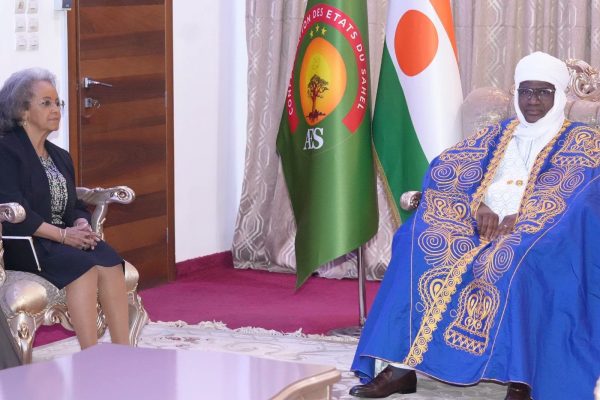
As Ouagadougou strengthens its ties within the Alliance of Sahel States (AES) and prepares to intensify military operations in 2026, the recent attack in Yatenga serves as a stark reminder of the challenges posed by asymmetric warfare. The government’s reliance on military solutions alone appears increasingly inadequate in addressing the root causes of the conflict, leaving many to question whether a purely security-driven approach can yield lasting stability.