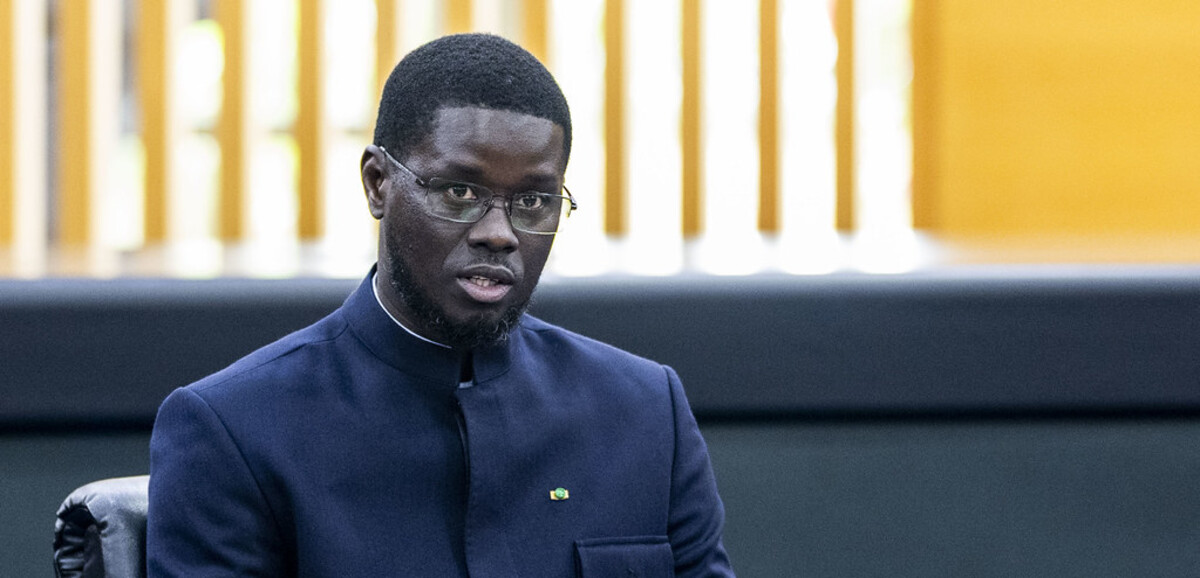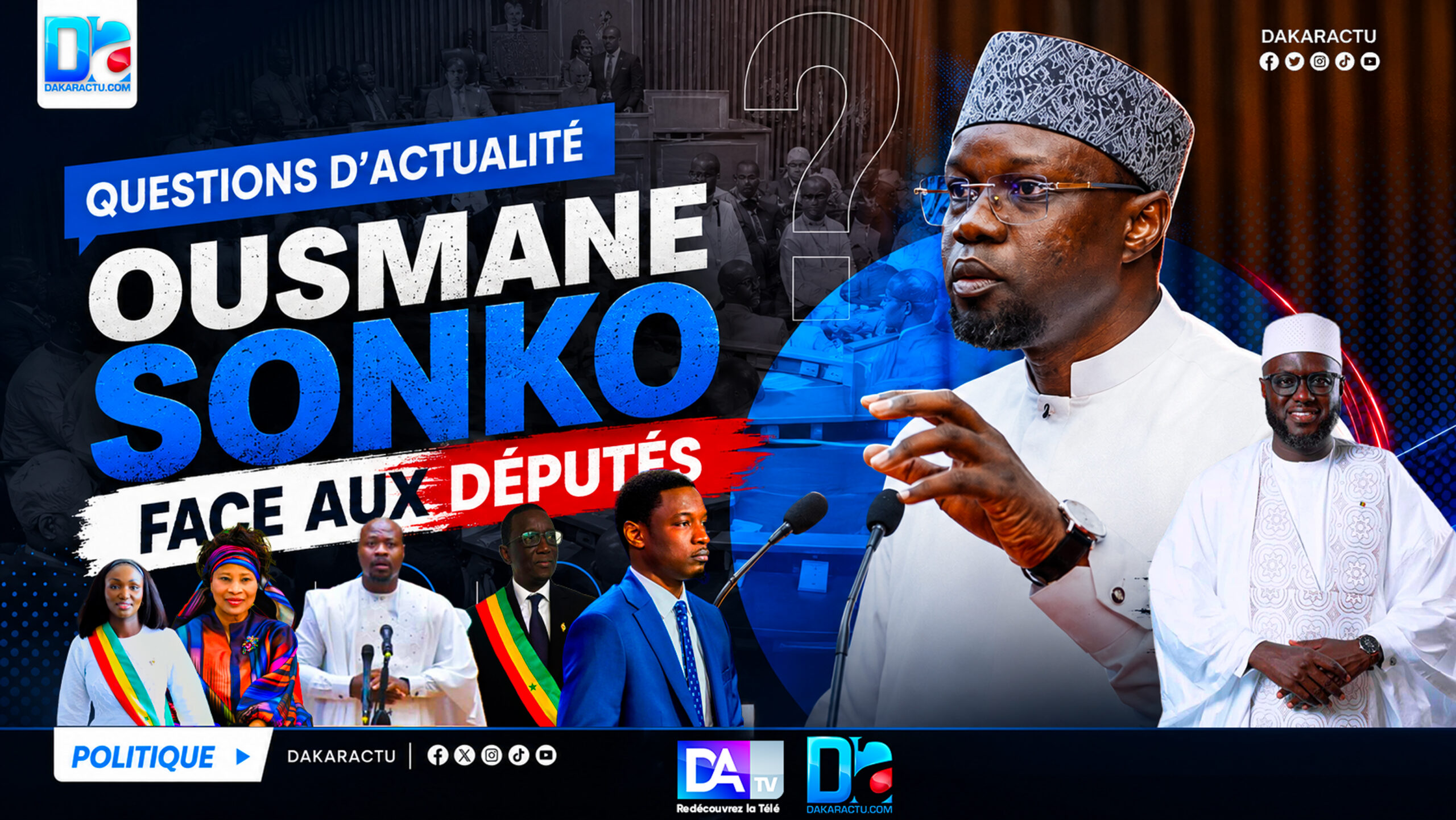
The President of Senegal, Bassirou Diomaye Faye, has signed into law a contentious electoral reform bill, sending shockwaves through the Pastef party and positioning Ousmane Sonko as a potential frontrunner for the 2029 presidential election. The decree, authenticated on Saturday, marks a pivotal moment in the nation’s political landscape.
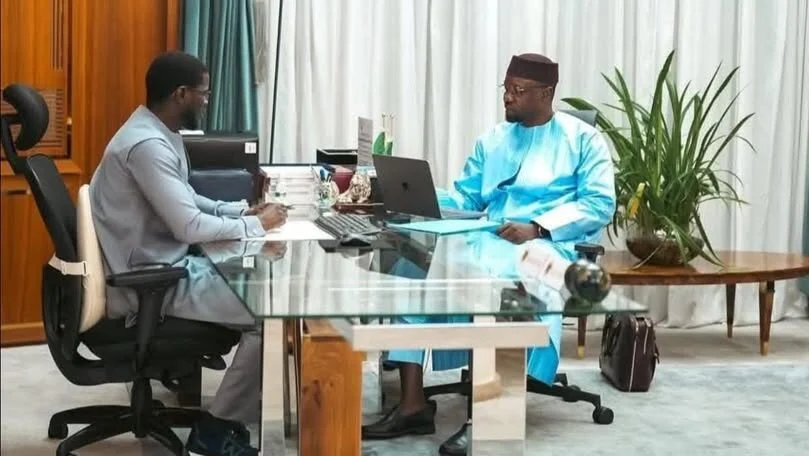
This legislative move follows months of heated debate and internal strife within the ruling party. The reform, initially adopted by the National Assembly on April 28, was sent back for a second reading after President Faye cited “procedural errors” in the draft. The delay sparked accusations from party insiders who alleged the president was attempting to derail the bill, possibly driven by personal ambitions for the next election cycle.
On May 9, lawmakers reconvened to pass the revised version, which the president formally enacted on Tuesday. The revised electoral code introduces sweeping changes, particularly to civil rights restoration. It now limits the duration of civic deprivation to five years following the completion of a sentence—a provision with significant implications for Sonko’s political future.
Political fractures deepen in Pastef
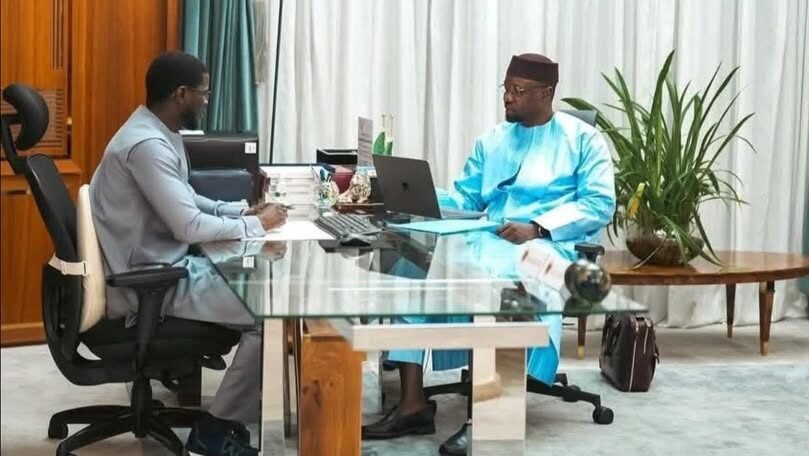
Tensions between Bassirou Diomaye Faye and Ousmane Sonko have intensified, casting doubt on the duo’s future collaboration ahead of 2029. Sonko’s 2024 presidential bid was derailed after a defamation conviction stripped him of his civic rights, rendering him ineligible. With Faye stepping in as the party’s substitute candidate, the power dynamics shifted dramatically.
Sonko’s legal troubles began in May 2023 when he was handed a six-month suspended sentence and fined for defamation—a case stemming from a complaint filed by a former minister under Macky Sall. The ruling was upheld by the Supreme Court in January 2024, just weeks before the presidential vote. A subsequent appeal was rejected in July 2025, further complicating his eligibility prospects. Despite these setbacks, Sonko secured a seat in the November 2024 legislative elections before resigning to retain his role as Prime Minister.
What the electoral reform means for Sonko’s eligibility
The newly signed law introduces a retroactive clause that could reopen discussions on Sonko’s disqualification. By capping civil rights suspension at five years post-sentence, the reform may retroactively restore his eligibility, allowing him to contest the 2029 election. Political analysts argue this provision was deliberately crafted to clear the path for Sonko’s candidacy, though its constitutionality remains a subject of intense scrutiny.
The coming months will be decisive as Senegal’s political elite navigate these uncharted waters, where legal reform and personal ambition intersect.