With over 400 km of shared border with Mali and deep-rooted trade ties, Senegal is stepping up its security measures as regional instability in the Sahel continues to escalate.
Dakar’s approach to counterterrorism remains deliberately low-profile, though officials are closely monitoring developments. When questioned about Senegalese transporters stranded in Mali and recent attacks on convoys—including a high-profile incident on April 25—government representatives offered cautious responses. «What I can confirm is that we are closely tracking the situation, especially regarding transporters. At this time, no repatriation requests have been received, but we remain vigilant,» stated a foreign affairs ministry spokesperson.
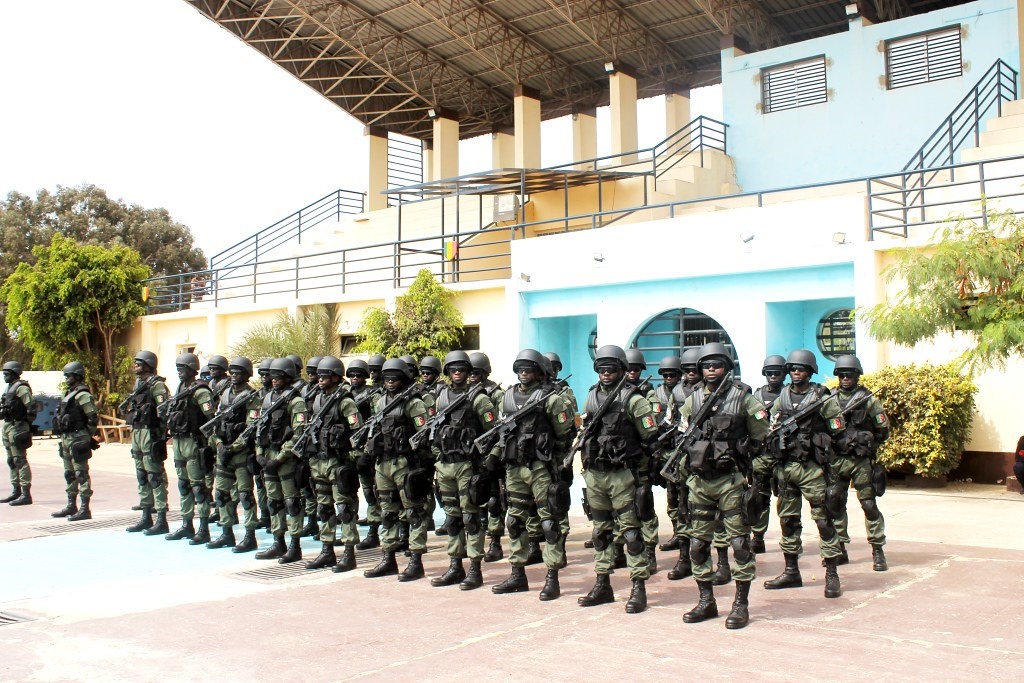
Despite maintaining a discreet public stance, Senegalese authorities are acutely aware of the worsening jihadist threat spreading across West Africa. In recent years, significant investments have been made to bolster border surveillance, particularly in the southeastern regions of Tambacounda and Kédougou. The most recent measures came to fruition on April 8–9, 2026, with the unveiling of three new operational bases for the Groupe d’Action et de Réflexion pour la Sécurité Internationale (GARSI 2), a rapid-response unit funded by the European Union.
GARSI and CICO: the backbone of Senegal’s defense strategy
According to national gendarmerie sources, these new bases are part of a broader effort to enhance counterterrorism and transnational crime prevention. «They will shorten response times, improve reaction capabilities within GARSI 2’s operational zone, and foster greater proximity with local communities,» explained a senior military officer. These facilities, authorities assert, serve as the frontline eyes and ears of Senegal’s security apparatus against terrorism and armed banditry.
The officer further emphasized the strategic importance of these structures: «Our border with Mali stretches 420 km—it’s impossible to deploy troops at every point. However, critical transit routes exist, and we are focusing our surveillance there. These bases enable rapid deployment when needed.»
Discussing the GARSI units, he noted: «They are highly effective, fully equipped operational tools. We currently operate two such bases—one in Kidira and another in Kédougou, specifically at Saraya. Combined patrols involving these units help monitor our borders comprehensively.»
Coordinated patrols and inter-agency cooperation
Beyond GARSI, Senegal’s strategy relies on the Cadre d’Intervention et de Coordination Opérationnelle (CICO), an inter-ministerial framework designed to orchestrate the country’s response to terrorist threats. As explained by a defense analyst, any cross-border attack would trigger a multi-layered emergency response: medical evacuation teams, on-ground security forces, aerial support, and rapid coordination between military, police, and gendarmerie units. «Managing this complexity demands seamless inter-agency collaboration, which is precisely what CICO facilitates,» the analyst noted.
Recent months have seen further enhancements, including the inauguration of a new military headquarters in Kédougou, dedicated investigative units, and upgraded technical infrastructure. While Senegal itself has not faced direct attacks, it ranks among the top defense spenders in sub-Saharan Africa. Between 2020 and 2025, the country was the second-largest arms importer in the region, accounting for 8.8% of total imports, according to Stockholm International Peace Research Institute data. Key acquisitions include South African-made Puma M36 armored personnel carriers, designed to withstand improvised explosive devices—a lesson drawn from Sahel conflicts where military convoys are frequent targets. In 2025, Senegal also secured major defense contracts with Turkey.
Cultural and religious resilience: an intangible shield
Military efforts alone, however, do not fully explain Senegal’s relative resilience against jihadist infiltration. Experts highlight the country’s strong social cohesion as a critical deterrent. Professor Bakary Sambe of the Institut Timbuktu argues that Senegal’s ethnic and religious harmony—particularly in Kédougou, a key border region—serves as a cultural barrier against groups like the Jama’at Nusrat al-Islam wal-Muslimin (JNIM), which have exploited divisions elsewhere in the Sahel. «The Bassari, Bédik, and Fulani communities maintain mutual respect and intermarry, creating a cultural shield that jihadists struggle to penetrate,» he explained.
Religious leaders, especially Sufi brotherhoods, play a pivotal role in this ecosystem. Though their influence is less prominent in eastern border areas, their collaboration with state authorities helps prevent radicalization. «The absence of widespread radicalization and the proactive involvement of religious leaders in community engagement strengthen national resilience,» Sambe added. Authorities recognize these leaders as essential partners in counter-radicalization efforts.
President Faye advocates for regional collaboration
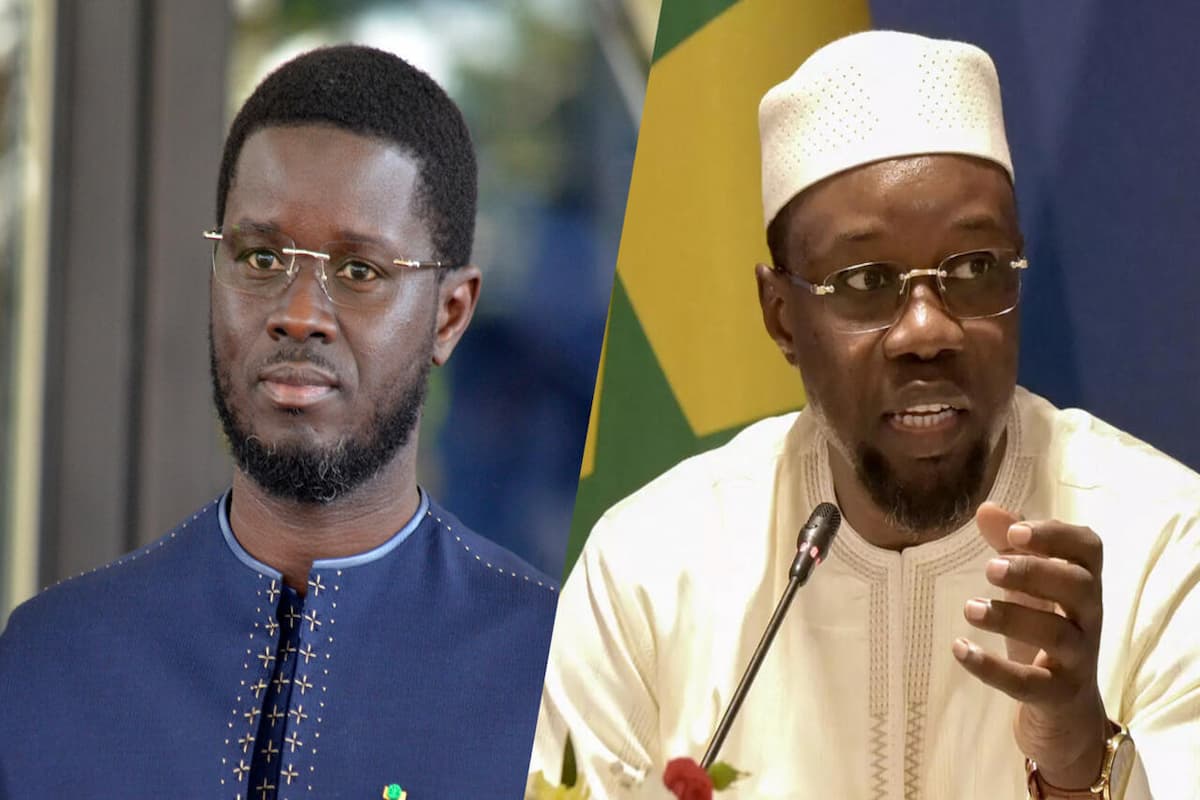
In a recent May 2 interview, President Bassirou Diomaye Faye underscored the need for continental and regional cooperation to combat terrorism. «No nation is immune—even Nigeria, the largest ECOWAS member, has faced years of insecurity. The United States, too, has endured unimaginable attacks. Terrorism is a threat that spares no country, which is why we must share intelligence and resources,» he stated.
Expressing solidarity with Mali, the President emphasized the historical and cultural ties binding the two nations: «What affects Mali affects Senegal. We share a common history, a shared motto, and were one country at independence. The Senegalese people and government stand ready to support Mali through dialogue and concrete action—though not all measures can be disclosed publicly.»
He also voiced regret over the withdrawal of Sahel states from ECOWAS, stressing the need for renewed dialogue among regional organizations to address shared challenges. «The Senegalese people can always count on our unwavering solidarity with Mali. We are prepared to contribute to restoring peace through every available channel.»