
Senegal cleric kanté fires back at moundiaye cissé over sonko remarks
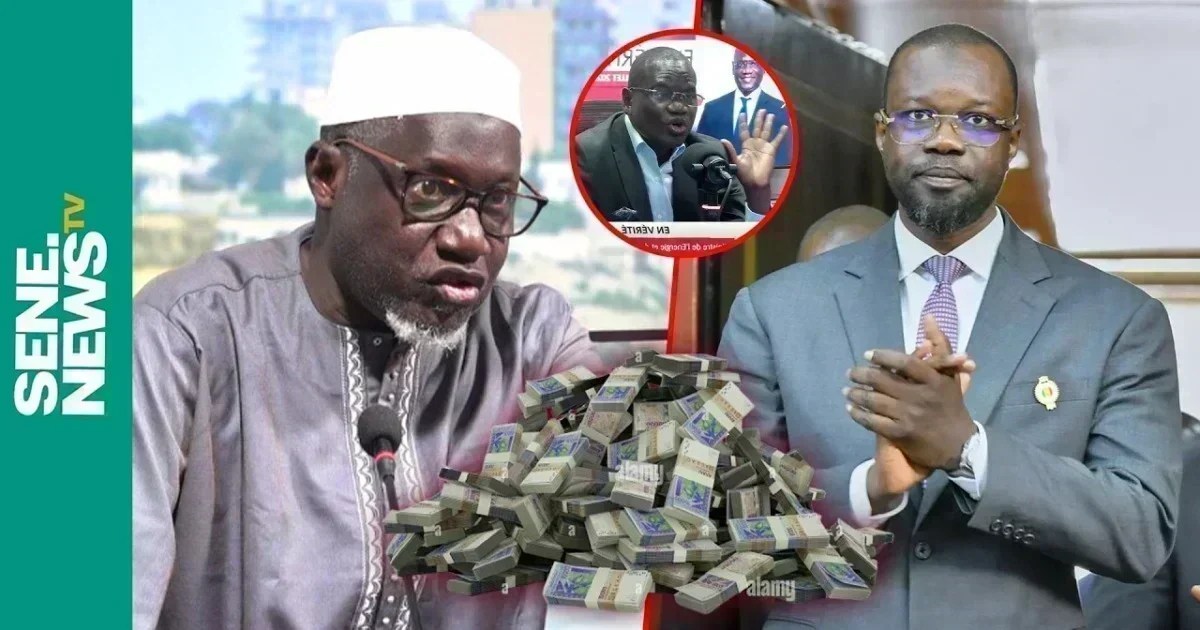
Senegal cleric Kanté fires back at Moundiaye Cissé over Sonko remarks
Whether you follow Senegalese politics closely or are simply intrigued by the ongoing debates, this response from Imam Kanté offers crucial insights into the current political landscape.
Dakar — A prominent religious figure in Senegal has publicly addressed comments made by commentator Moundiaye Cissé regarding opposition leader Ousmane Sonko. The response from Imam Kanté, a well-known analyst and commentator, has sparked fresh discussions about the nation’s political trajectory and key figures at the center of these conversations.
Why this exchange matters in Senegal’s political climate
The debate between Imam Kanté and Moundiaye Cissé centers on the role and statements of Ousmane Sonko, a figure who continues to shape the political narrative in Senegal. As discussions around governance, accountability, and national priorities intensify, the perspectives shared by influential voices like Kanté carry significant weight.
In his remarks, Imam Kanté provided a detailed analysis of Sonko’s recent statements, offering a counterpoint to criticisms raised by Cissé. The cleric’s intervention underscores the intersection of faith, politics, and public discourse in Senegal, where religious leaders often play a pivotal role in shaping opinions and guiding discussions.
Key takeaways from Kanté’s response
- Clarification on Sonko’s positions: Kanté’s remarks aimed to clarify or reframe Sonko’s statements, providing context that challenges prevailing narratives.
- Faith and political leadership: The cleric emphasized the responsibility of religious leaders to engage with political issues, particularly when they impact the broader public.
- Public trust in leadership: Kanté’s response touched on the importance of transparency and accountability in leadership, themes that resonate deeply in Senegal’s current political climate.
Public reaction and ongoing discussions
The exchange has generated considerable buzz across social media and political circles in Senegal. Supporters and critics of Sonko, as well as those following the broader political landscape, are closely analyzing the implications of Kanté’s statements. The debate highlights the dynamic nature of Senegalese politics, where religious, political, and social voices frequently intersect.
As the discussion unfolds, it remains clear that figures like Imam Kanté and commentators such as Moundiaye Cissé play a critical role in shaping how Senegalese citizens perceive and engage with the political process. Their contributions add depth to the national conversation, offering perspectives that are both analytical and rooted in the values of the community.