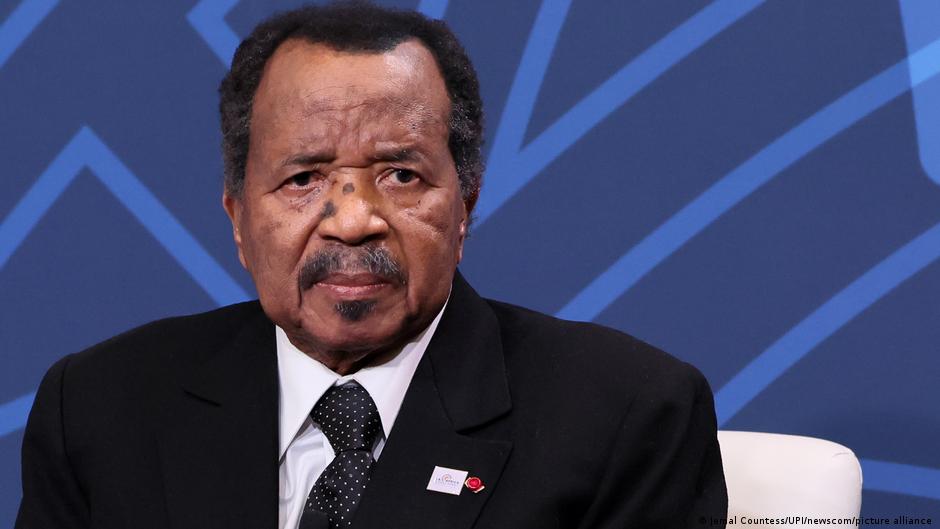
The recent six-month prison sentence handed to online commentator Patrick Mengue for allegedly insulting President Paul Biya has intensified discussions about the boundaries of free expression in Cameroon.
This legal decision, rooted in Cameroon’s Penal Code which criminalizes insults against the Head of State, defamation, and attacks on honor, has drawn sharp criticism from human rights advocates. They argue these laws are frequently misused to suppress dissenting voices.
“This isn’t about interpretation—it’s a strict application of the law,” states Maître Batang Kolon, a prominent Cameroonian lawyer. “The young man wrote a prayer, yet now we see prayers being criminalized. This is deeply troubling.”
The verdict comes at a time when President Biya’s prolonged absence from public view has sparked widespread speculation about his health. The Head of State remains abroad with no official updates on his condition.
Recent cases highlight growing restrictions on dissent
The Mengue case is not an isolated incident. In 2017, writer and academic Patrice Nganang was detained following his public remarks on the Anglophone crisis and charged with insulting the President. In 2019, activist Sébastien Ebala faced arrest for multiple critical posts about Paul Biya. Journalist Jean Bosco Talla received a suspended one-year prison sentence and a hefty fine in 2010 after publishing an article questioning rumors about the Head of State’s health.
Human rights groups condemn systematic prosecutions
Human rights organizations argue these cases reflect a pattern of using criminal prosecutions to silence critics. “Like Mengue, many others remain imprisoned simply for expressing political opinions,” notes Cyrille Rolande Bechon, President of the NGO New Human Rights. She calls the recent verdict “a grave miscarriage of justice.”
Government officials maintain that these prosecutions uphold institutional integrity, personal honor, and public order. Yet the timing of Mengue’s conviction—amid ongoing uncertainty about President Biya’s health—has elevated the case beyond its individual circumstances, reigniting national debates about free speech limitations in Cameroon.