The Dakar-Bamako trade route, a vital commercial lifeline between Senegal and Mali, is facing one of its most severe security crises in recent memory. In response to escalating attacks by the Jama’at Nusrat al-Islam wal Muslimin (JNIM), an Al-Qaeda-affiliated group, the Union of Senegalese Haulers (URS) has instructed drivers to suspend all trips into Malian territory. Since late April, jihadist fighters have increasingly targeted freight convoys along this key artery, turning a once-thriving trade corridor into a high-risk zone.
Economic lifeline under siege
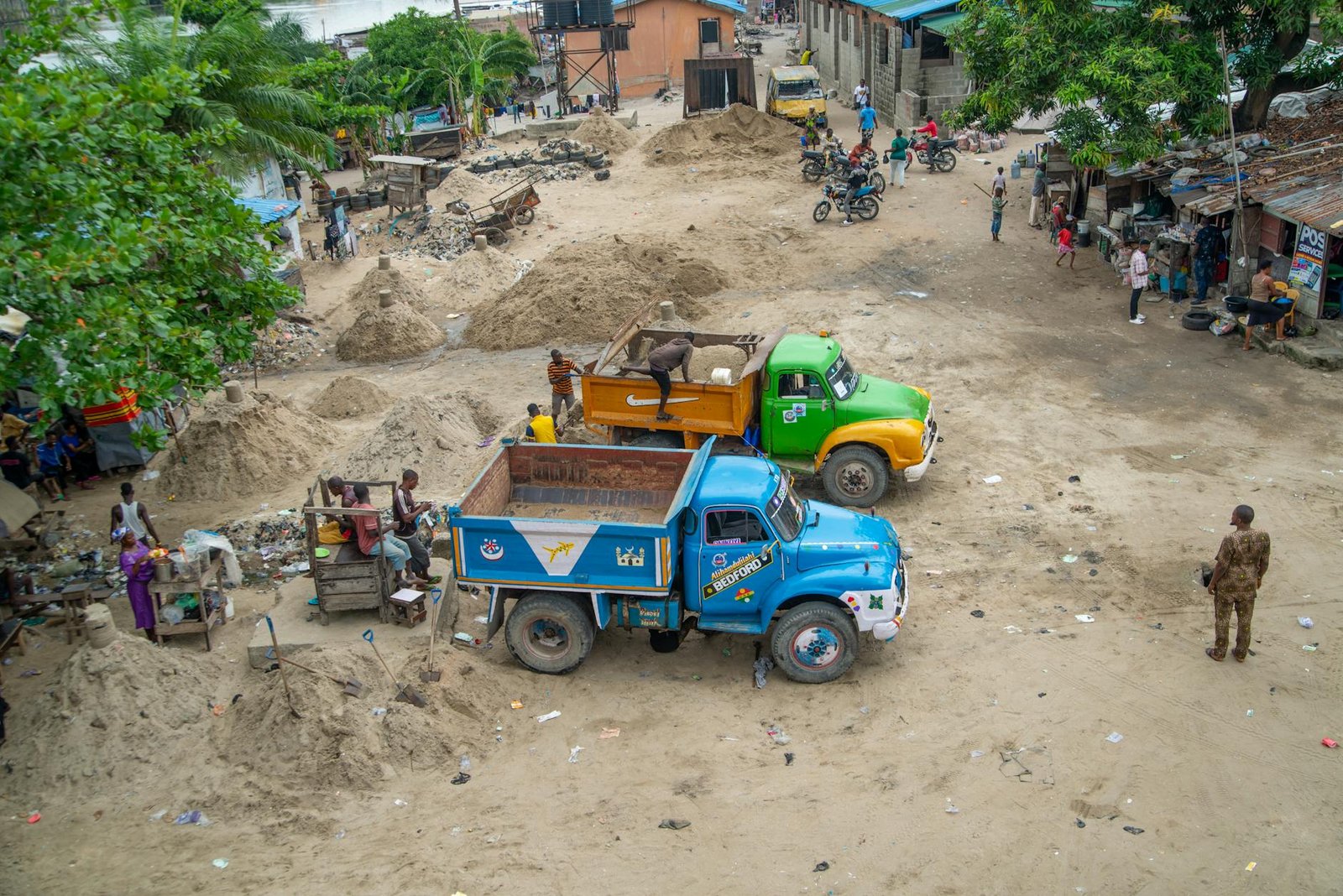
The Dakar-Bamako highway serves as the backbone of land-based trade between the two nations, carrying essential goods such as fuel, food staples, cement, construction materials, and industrial equipment. Since Mali’s landlocked status and diplomatic tensions with Côte d’Ivoire forced a shift in logistics toward Senegal, the Port of Dakar has become the primary gateway for goods destined for Malian markets. Now, the URS’s suspension order threatens to sever this critical supply chain, risking severe shortages of fuel, manufactured goods, and essential food items in Bamako.
Local markets, already strained by inflation and recurring supply deficits, could soon face another sharp spike in prices. The sudden halt in deliveries may exacerbate food insecurity and disrupt industrial activities reliant on imported inputs, further destabilizing an already fragile economy.
JNIM’s calculated economic warfare
Since late April, JNIM has escalated its campaign of economic sabotage, systematically attacking fuel tankers, cargo trucks, and passenger vehicles along Mali’s western corridors—particularly those linking Bamako to Senegal and Mauritania. This strategy mirrors tactics previously employed in central Mali against military convoys but now extends into previously less volatile regions.
The group’s dual objectives are clear: first, to cripple urban centers under military control by cutting off essential supplies, and second, to expose the transitional government’s inability to safeguard national highways. Additionally, these raids provide the militants with much-needed resources—fuel and manufactured goods—to sustain their operations in remote rural areas.
The human and financial toll on Senegalese transporters has been devastating. Several drivers have been killed, injured, or abducted in ambushes over the past weeks. The loss of vehicles, often the lifeblood of small, family-run logistics businesses, compounds the crisis, as many lack insurance coverage for jihadist-related risks.
Regional repercussions force Senegal’s hand
Senegal now faces a complex dilemma, balancing diplomatic priorities with economic imperatives. Since President Bassirou Diomaye Faye took office, Dakar has pursued closer engagement with Sahelian juntas, diverging from the Economic Community of West African States’ (ECOWAS) earlier stance. However, the growing insecurity along the Dakar-Bamako route directly threatens Senegalese economic interests and the safety of its citizens abroad.
The Port of Dakar, which has absorbed much of the redirected Malian trade, risks a sharp decline in container throughput if overland shipments remain suspended. Logistics operators are already exploring costlier detours—such as rerouting via Mauritania—or exploring limited rail alternatives, though capacity remains constrained.
The crisis extends beyond Senegal’s borders, casting doubt on the stability of West Africa’s entire commercial framework. The JNIM’s ability to disrupt a 1,200-kilometer trade route underscores the security vacuum left by the withdrawal of Western partners and the restructuring of the Alliance of Sahel States. Whether Dakar and Bamako can forge a coordinated response to reopen the corridor remains uncertain, with Malian authorities so far dismissing such proposals.