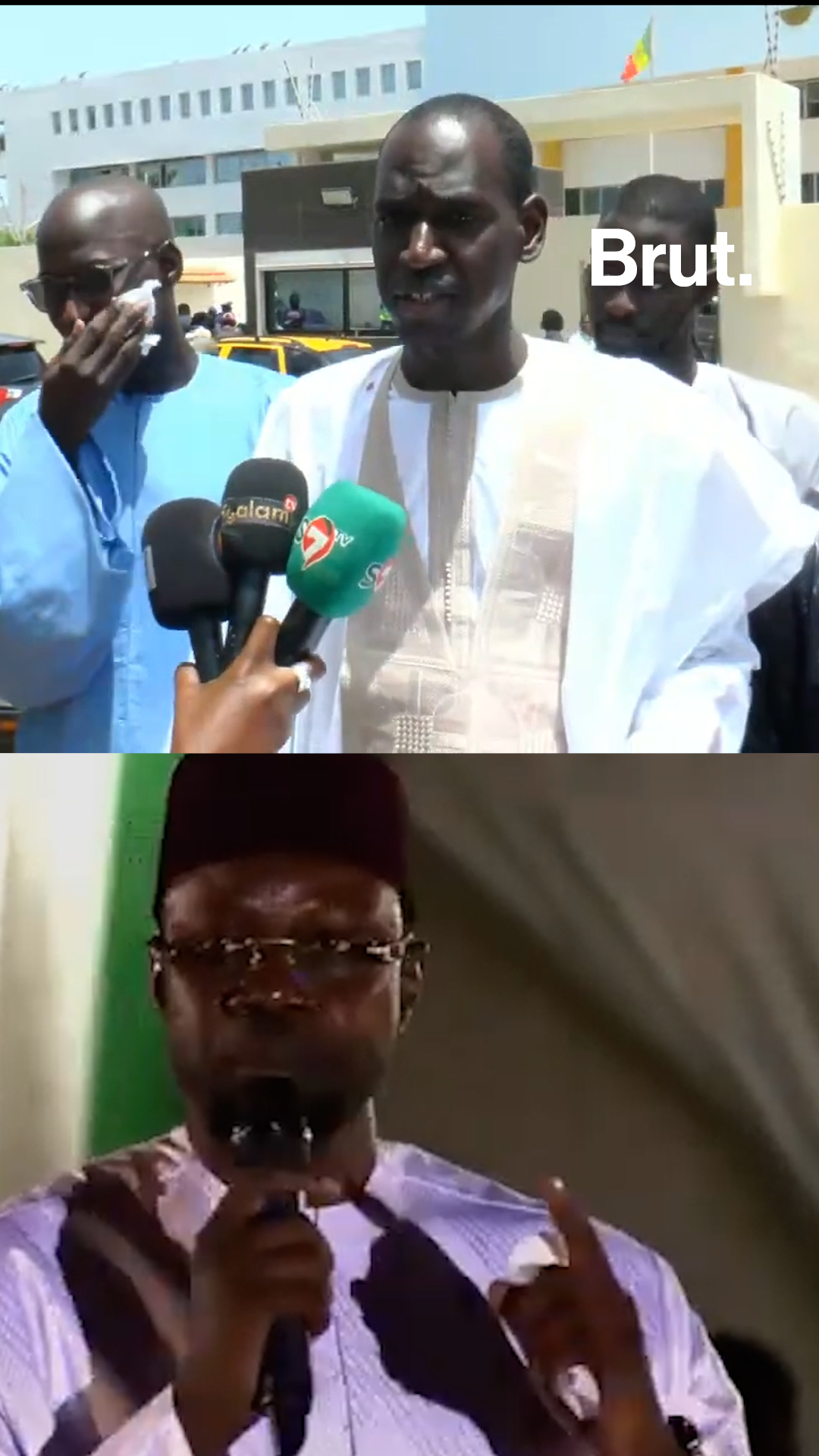
In a significant legal development in Senegal, opposition figure Ousmane Sonko is now the subject of a formal complaint lodged with the Dakar prosecutor’s office. The allegations stem from remarks he made during the inauguration of his party’s new headquarters in Touba, where he alleged that “dirty money” had entered the holy city.
A collective representing descendants of Cheikh Ahmadou Bamba, the revered founder of Touba, has taken legal action. They contend that Sonko’s statements have tarnished the city’s reputation and honor, demanding a full investigation into the matter.
What triggered the complaint?
The controversy erupted when Sonko, leader of the Pastef party, publicly claimed that illicit funds had infiltrated Touba. His comments, made during a high-profile event, have since sparked outrage among the city’s residents and religious leaders, who view the allegations as deeply damaging to Touba’s spiritual and moral standing.
The complainants argue that Sonko’s remarks were not only unfounded but also intentionally inflammatory, seeking to undermine the sanctity of a city that holds profound cultural and religious significance for millions of Senegalese.
Legal and political implications
This legal challenge adds another layer of complexity to Ousmane Sonko’s already contentious political career. Known for his outspoken criticism of the government, Sonko has faced multiple legal battles in recent years, including accusations that have drawn both domestic and international attention.
The complaint against him now centers on defamation and reputational harm, with the complainants requesting swift judicial intervention. Legal experts suggest that the case could set a precedent for how political speech is regulated in Senegal, particularly when it intersects with religious and cultural sensitivities.
Reactions from Touba’s leadership
Leaders in Touba have been swift to condemn Sonko’s remarks, emphasizing the city’s historical role as a beacon of peace and spirituality. The Grand Marabout of Touba, a key figure in the Mouride brotherhood, has called for calm while reaffirming the city’s commitment to protecting its sacred image.
Community members have also voiced their support for the complaint, underscoring the deep offense caused by Sonko’s allegations. Many describe the city as a symbol of resilience and moral integrity, making any accusations of corruption or illicit activity particularly egregious.
What happens next?
The Dakar prosecutor’s office now faces the task of reviewing the complaint and determining whether to proceed with an investigation. Legal analysts anticipate a thorough examination of Sonko’s statements, as well as the broader context of his political rhetoric.
For now, the situation remains fluid, with both sides preparing for what could become a protracted legal battle. Observers will closely watch how the judiciary navigates the delicate balance between freedom of speech and the protection of cultural and religious heritage.