The rise of women in Benin’s political arena: a historic appointment
Benin has taken a significant step toward gender parity in its political leadership with the recent appointment of Captain Elvire Toupé as aide-de-camp to the president. This milestone follows her swearing-in ceremony and the first council of ministers meeting on May 28, where she was designated to serve the government.
Captain Toupé, previously serving in the Republican Guard, now holds the distinction of being the first Beninese woman to assume this role since the nation’s independence on August 1, 1960. Her appointment is seen as both a symbolic and practical advancement for women in Benin’s public sector.
Honoring history: from Dahomey’s Amazons to modern leadership
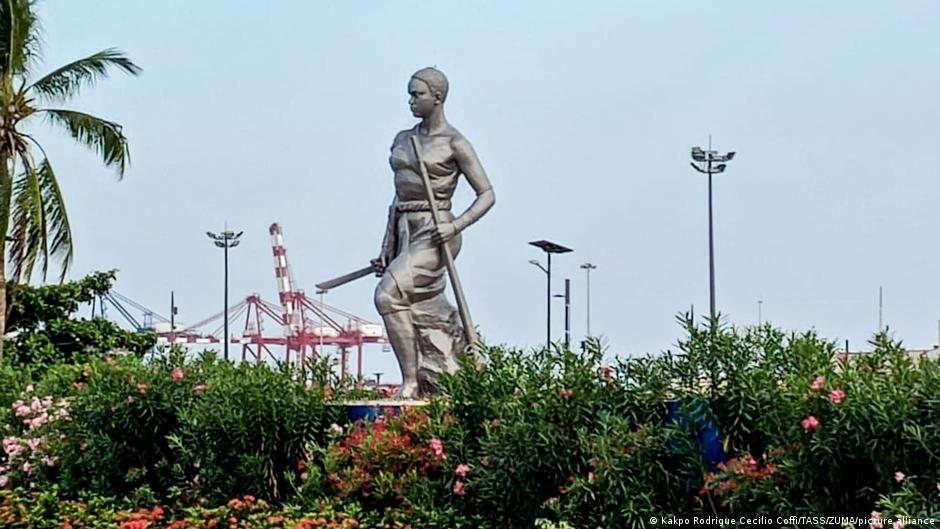
The appointment of Captain Toupé has sparked reflections on Benin’s historical legacy of female warriors. Experts and analysts point to the Agodjié, the elite all-female regiment of the Dahomey Kingdom, whose bravery and resilience have long been celebrated. These Amazons, as they were dubbed by European colonizers, served as a powerful symbol of women’s strength and leadership in pre-colonial Africa.
Régis Hounkpè, a political analyst and director of InterGlobe Conseils, emphasizes the significance of this modern appointment in bridging historical and contemporary narratives: “Because they were women, they remain role models. Young Beninese girls draw inspiration from them, both in imagination and reality. The Amazons have been restored to an essential role—within communities, decision-making circles, and the public sphere. The conversation about them never fades.”
Wuldath Moussa Mama, a journalist, adds that the appointment may signal a broader push for gender inclusivity: “Is this an exception that proves the rule, or is it the beginning of a concerted effort to encourage women to claim more space in politics? Perhaps this is a door opening wider, urging them to advance further.”
Persistent gaps in political representation
Despite progress, women remain underrepresented in Benin’s political institutions. The current government, led by President Romuald Wadagni, includes six women among its 28 members, holding portfolios such as Foreign Affairs, Higher Education, Family and Social Action, Domestic Trade, Employment and Professional Training, and Communication and Media.
For context, the previous administration under Patrice Talon included only five women in a 23-member cabinet. While the vice presidency has been held by a woman since 2021, its constitutional role is largely ceremonial, raising questions about the depth of women’s influence in governance.
The National Assembly, inaugurated in February 2026, reflects similar disparities. Out of 109 seats, 28 are occupied by women—all from the ruling party—accounting for just 25.7% of the total. This figure mirrors the representation in the previous legislature. While the electoral code mandates one female representative per constituency, 24 women were elected through this quota, with four additional seats secured outside it.
Wuldath Moussa Mama highlights the structural challenges: “The picture is still incomplete. It reflects the work needed within political parties—training women in activism and ensuring they have real opportunities to lead.”
Looking ahead: can Benin achieve gender parity?
The appointment of Captain Toupé serves as a reminder of both progress and the work that remains. While symbolic gestures like hers inspire future generations, sustained efforts are needed to ensure women occupy meaningful roles in shaping the nation’s policies and priorities. The conversation around gender equality in Benin’s political sphere is far from over—but it is gaining momentum.