Gabon and France forge a fresh partnership after 14 July talks
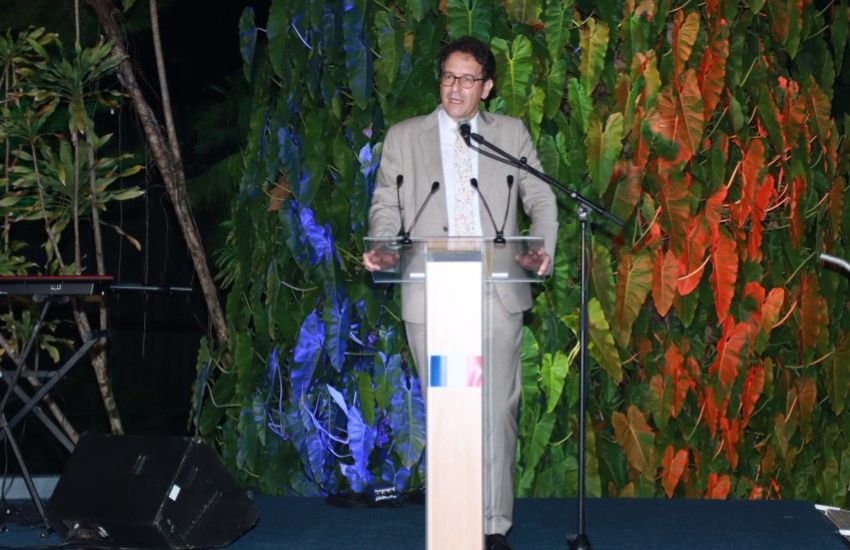
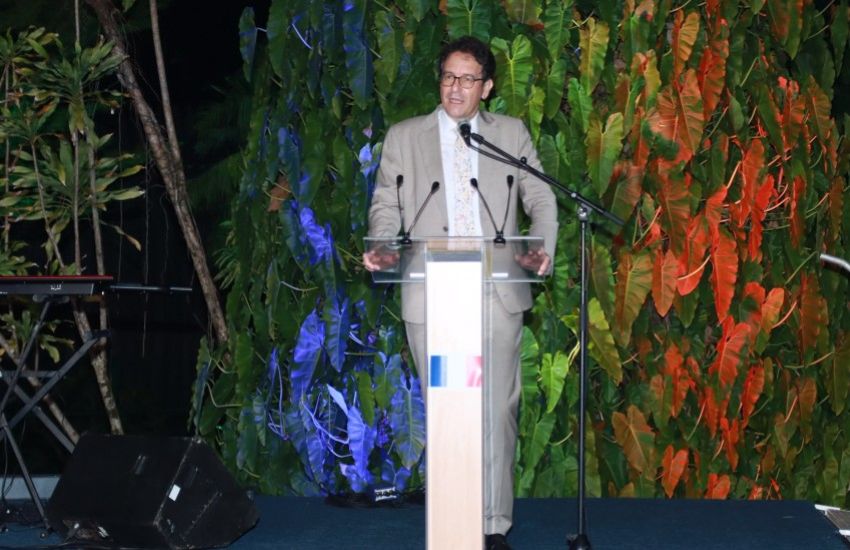
Libreville, 16 July 2026 – The 14 July celebrations in Libreville were more than just a tribute to French national pride. During a high-level address, French Ambassador Fabrice Mauriès unveiled a roadmap for the future of Gabon-France relations.
The diplomatic event delivered three landmark announcements: President Brice Clotaire Oligui Nguema’s upcoming state visit to France, the permanent conversion of Camp De Gaulle, and the establishment of a Gabonese national financial prosecutor’s office. Each initiative signals a deliberate shift toward a more balanced and forward-looking partnership between the two nations.
In an era of shifting global alliances and rising African sovereignty demands, Gabon is positioning itself as a key player in reshaping Euro-African relations for the 21st century.
State visit marks new era of mutual respect
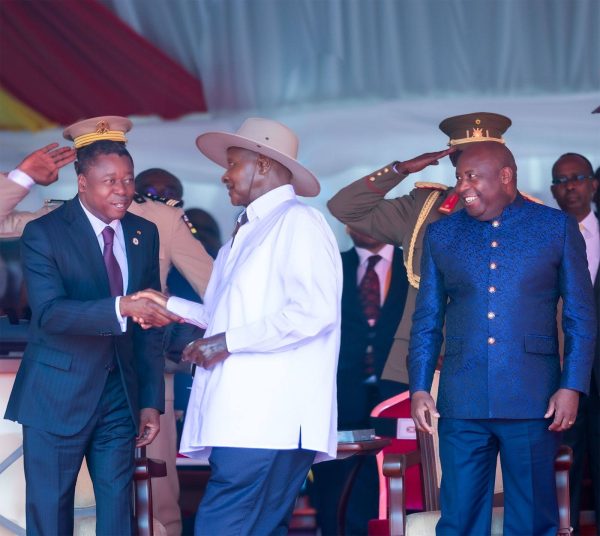
The announcement of President Oligui Nguema’s state visit to Paris carries deep diplomatic significance. In French protocol, a state visit represents the highest form of recognition for a foreign leader, underscoring Paris’s commitment to supporting Gabon’s democratic transition following the 2023 election.
The ambassador emphasized a crucial distinction: while Gabon’s transition belongs to its people, France stands ready to support—not direct—the process. This approach contrasts sharply with past criticisms of political interference, signaling Paris’s intent to prioritize cooperation over control.
End of an era for Camp De Gaulle
Camp De Gaulle’s transformation represents one of the most visible symbols of this evolving relationship. For decades, the base embodied France’s strategic presence in Central Africa. Its conversion into a cooperative security hub marks the conclusion of a post-colonial chapter.
The future framework will focus on joint military exercises, maritime security, and capacity-building rather than permanent troop deployments. This aligns with France’s updated Africa strategy, which favors targeted partnerships tailored to partner nations’ priorities.
For Gabon, the shift offers a chance to bolster its own defense capabilities while preserving historical ties. Future maritime security projects in the Gulf of Guinea—one of Africa’s most vital maritime zones—will further cement this collaborative approach.
Financial justice and institutional reform
The creation of a Gabonese national financial prosecutor’s office addresses a global imperative: combating corruption, illicit financial flows, and economic crime. The move holds particular weight for a resource-rich nation like Gabon, where transparent governance of oil, manganese, and other extractive industries is critical.
The ambassador highlighted a two-way judicial partnership, signaling France’s willingness to foster balanced cooperation between the two legal systems. This initiative complements Gabon’s broader goals of transparency, economic governance, and public sector modernization.
The broader security agenda includes efforts to curb drug trafficking, strengthen border surveillance, and enhance Gabon’s operational capacities. Together, these developments outline a relationship built on shared governance, collective security, and economic development—rather than historical legacies alone.
The 14 July address in Libreville may well be remembered as the moment when Gabon and France officially entered a new chapter. Neither a clean break nor uncritical continuity, this partnership is being forged step by step—adapting to 21st-century geopolitical realities. The true challenge ahead will be translating these diplomatic commitments into tangible benefits for both nations and the stability of Central Africa.