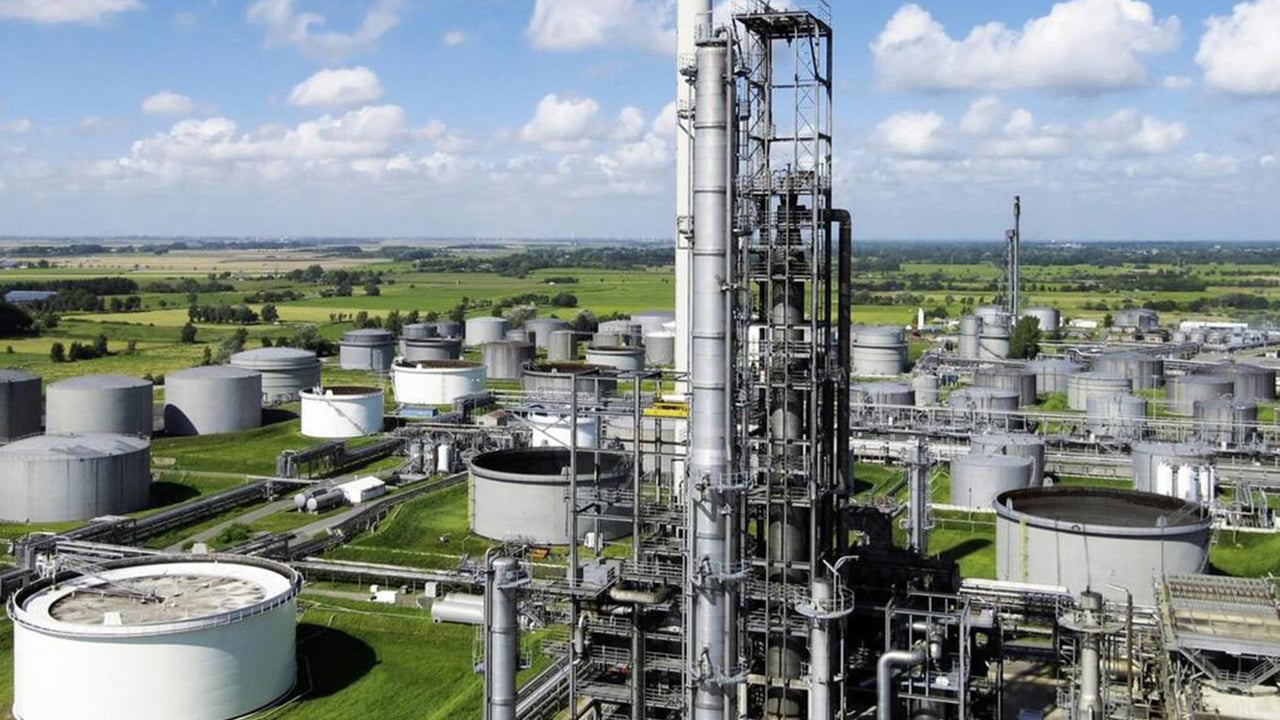

The Camerounese government has made a strategic decision to pivot away from its previous collaboration with Parras 24 for the management of the National Refining Company (Sonara). Instead, authorities are now prioritizing a public-private partnership model to revitalize operations at the Limbé-based refinery, marking a significant shift in the country’s energy sector strategy.
Why the change in direction?
The move comes after years of discussions and evaluations regarding Sonara’s operational efficiency and financial sustainability. Key concerns included delayed modernization projects, fluctuating production levels, and the need for substantial capital investment to meet growing domestic fuel demand. By opting for a partnership with the state as the primary stakeholder, the government aims to enhance transparency, secure long-term funding, and accelerate infrastructure upgrades.
Industry analysts highlight that this transition reflects broader economic priorities, particularly the government’s commitment to reducing reliance on imported refined products while boosting local refining capacity. The decision also aligns with regional trends where governments increasingly take a more active role in critical energy infrastructure.
What does this mean for Sonara’s future?
Under the new framework, Sonara will benefit from:
- Direct government oversight to streamline decision-making processes
- Access to dedicated state funding for critical upgrades
- A structured governance model to improve operational accountability
- Strategic alignment with national energy security goals
While the specifics of the partnership terms remain under discussion, officials emphasize that the transition will prioritize sustainable growth without disrupting existing supply chains or fuel distribution networks. The refinery, which has been a cornerstone of Cameroon’s industrial sector since the 1980s, is expected to see renewed investment in technology and workforce development.
Reactions and expectations
The announcement has drawn mixed responses from stakeholders. Some industry observers applaud the move, citing improved governance as a catalyst for attracting foreign investment. Others caution that the success of this model hinges on effective execution and avoiding bureaucratic delays that have historically plagued public sector projects.
For local communities, particularly in the Southwest region where Limbé is located, the decision brings renewed hope for job creation and economic stability. Sonara has long been a major employer, and enhanced operations could stimulate ancillary industries such as logistics and maintenance services.
As Cameroon navigates this pivotal moment in its energy sector, all eyes will be on the implementation phase. The government’s ability to deliver on its promises will determine whether this strategic shift can transform Sonara into a model of efficiency and self-sufficiency for the nation.