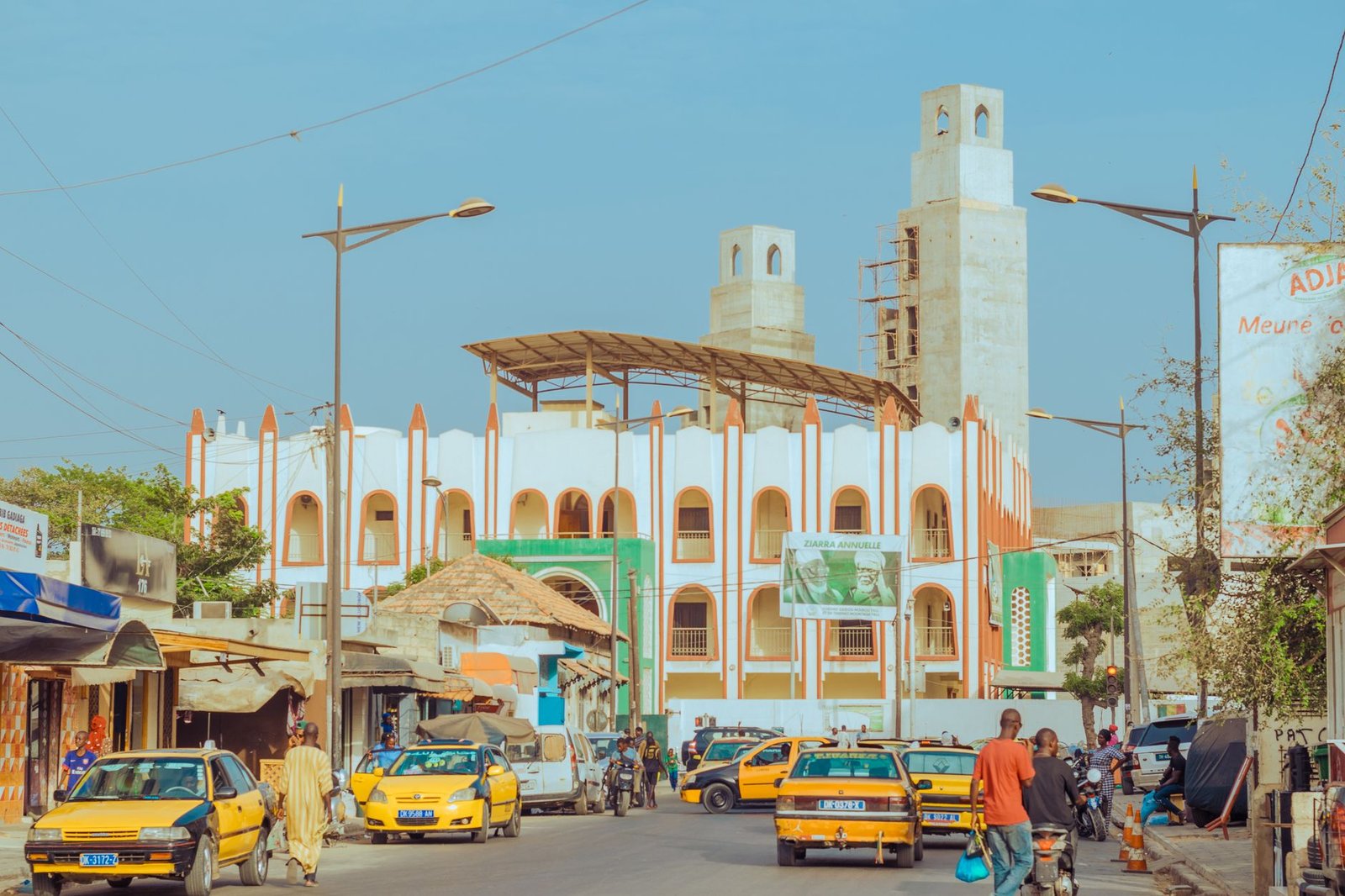
In Senegal, Prime Minister Ousmane Sonko has cut short the parliamentary summer recess, ordering lawmakers to return to the National Assembly in Dakar ahead of schedule. The unexpected announcement comes just weeks before the usual end of the break, signaling the government’s urgency to convert campaign promises into legislative action following the 2024 presidential and November legislative elections.
tighter parliamentary schedule to fast-track key reforms
The prime minister’s decision is more than a routine adjustment—it reflects a deliberate push to accelerate legislative output. Since the new National Assembly, led by the ruling Pastef coalition, began its term, the government has tabled several bills focused on public governance, taxation, and accountability. By shortening the recess, the executive secures additional time to advance stalled legislation without waiting for the formal start of the regular session.
This move also underscores Sonko’s institutional vision: a legislature that operates in lockstep with the executive branch, minimizing downtime that could delay implementation of the government’s economic and social agenda. Parliamentary committees are now expected to resume hearings and prepare for the review of bills submitted by the prime minister’s office.
a strategic signal to both government and opposition
Politically, the decision carries weight. It arrives amid heightened tensions between the ruling majority and opposition blocs over the management of past administrations. By recalling lawmakers early, the executive signals it expects a fully engaged parliament—especially to support oversight procedures tied to audits from the Court of Auditors and the Inspectorate General of State.
Opposition members have raised concerns about the speed of deliberations, citing procedural shortcuts in recent financial votes. Yet the Senegalese Constitution grants the government broad authority to convene extraordinary sessions or adjust legislative schedules in coordination with the Assembly’s presidency.
underlying economic and budgetary stakes
At the heart of this calendar shift lies a pressing economic agenda. The government must finalize the 2025 budget bill amid tighter growth forecasts and ongoing negotiations with international financial partners. The early return of deputies allows earlier policy debates on spending priorities, tax policy, and public debt management—critical issues for the new administration.
The prime minister’s office is also prioritizing long-term structural reforms, including changes to local governance, revisions to the mining code, and updates to oil and gas contracts. These complex files require thorough committee work, and even a few weeks’ gain in legislative time can make a difference. Business leaders in Dakar are closely monitoring these developments, as regulatory clarity will influence investor confidence.
In the coming days, the Assembly’s presidents’ conference will announce the revised session schedule and agenda. The decision to shorten the recess has already been formally communicated to deputies through the prime minister’s office.