Dakar — A symbolic homecoming for former President Macky Sall has reignited political tensions in Senegal, coinciding with his departure for New York. The visit, framed as a diplomatic stopover, took an unexpected turn as it unfolded within the very walls of the Presidential Palace, where current head of state Bassirou Diomaye Faye is set to deliberate on Senegal‘s endorsement of Sall’s bid for the United Nations Secretary-General position.
From fierce critic to political paradox
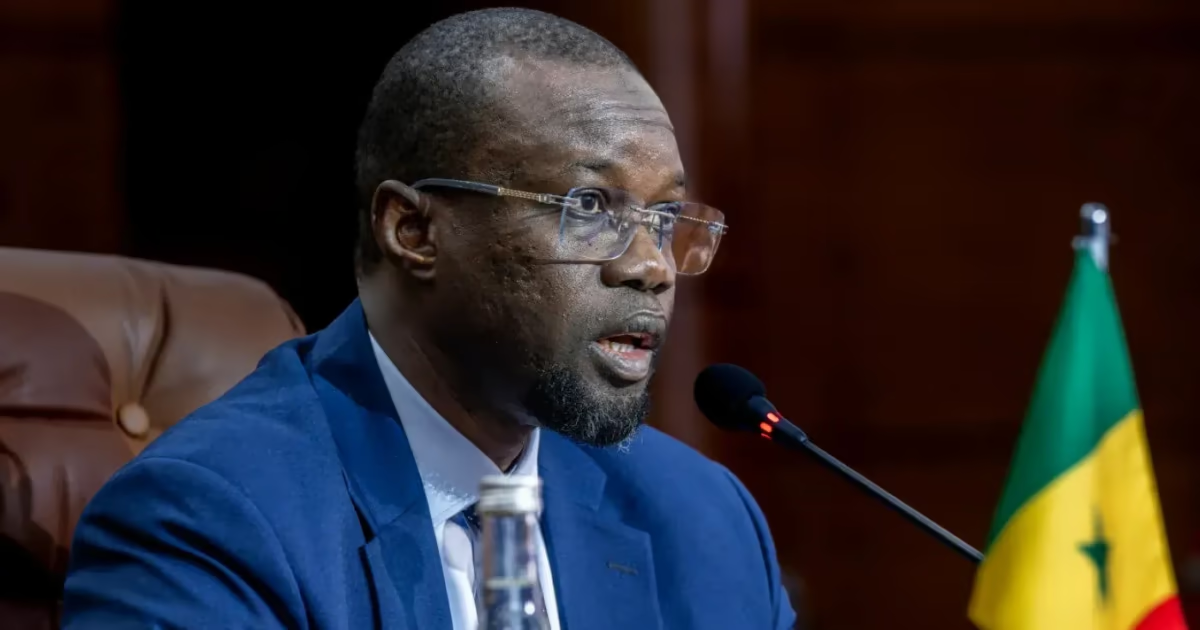
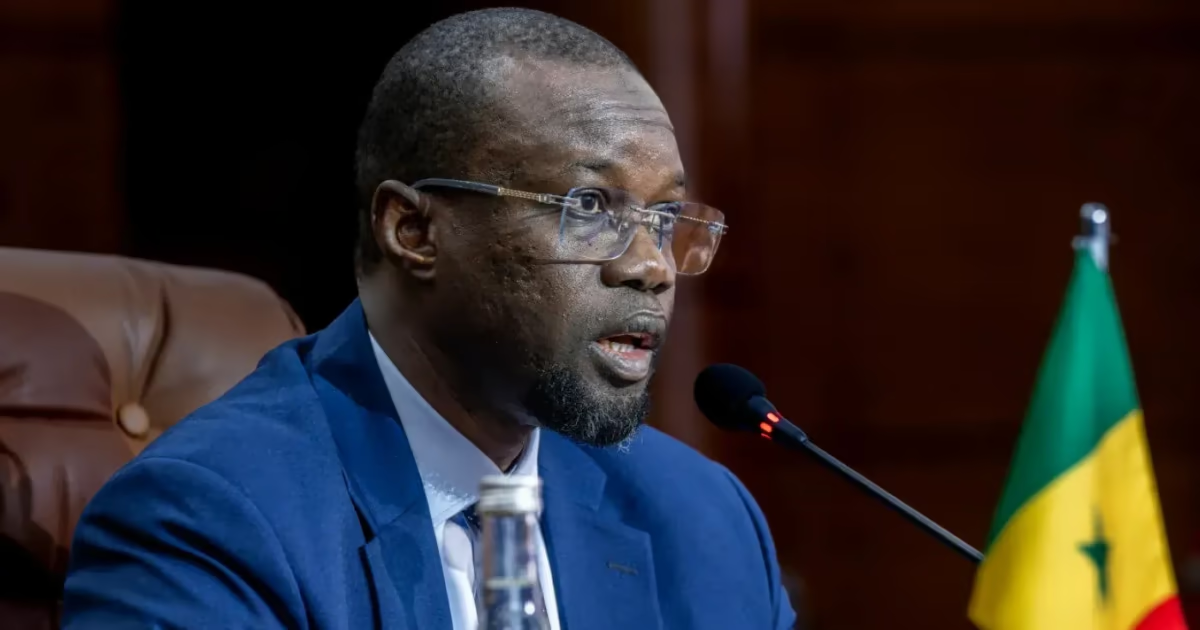
While Macky Sall navigates the corridors of power once again, Ousmane Sonko—Senegal‘s most vocal opposition leader—finds himself at the heart of a glaring contradiction. For nearly a decade, Sonko has built his political identity on relentless opposition to Sall’s administration, branding it emblematic of governance excesses. Yet today, the very institutions he once condemned now stand at the center of Sall’s diplomatic ambitions, forcing Sonko into uncharted political territory.
A decade of opposition
Ousmane Sonko rose to prominence in 2012, channeling widespread frustration into a crusade against perceived corruption and authoritarian tendencies under Macky Sall‘s leadership. His fiery rhetoric and legal battles against the former president cemented his reputation as an uncompromising adversary of the establishment. Now, as Sall’s return to the political stage casts long shadows over Dakar, Sonko’s movement faces its sternest test yet.
Diplomatic visit with domestic repercussions
The timing of Sall’s visit could not be more delicate. With Bassirou Diomaye Faye poised to decide Senegal‘s stance on the global stage, the nation watches closely. Sonko’s supporters, long accustomed to his defiance, now grapple with a paradox: how to reconcile their leader’s unwavering critique of Sall with the latter’s unexpected diplomatic return? The political landscape of Senegal has rarely been so sharply divided.
As Macky Sall prepares to depart for New York, the question lingers: will this encounter reshape Senegal‘s political narrative, or deepen the chasm between its leaders and their constituents?