Senegal prime minister condemns western pressure over homosexuality laws
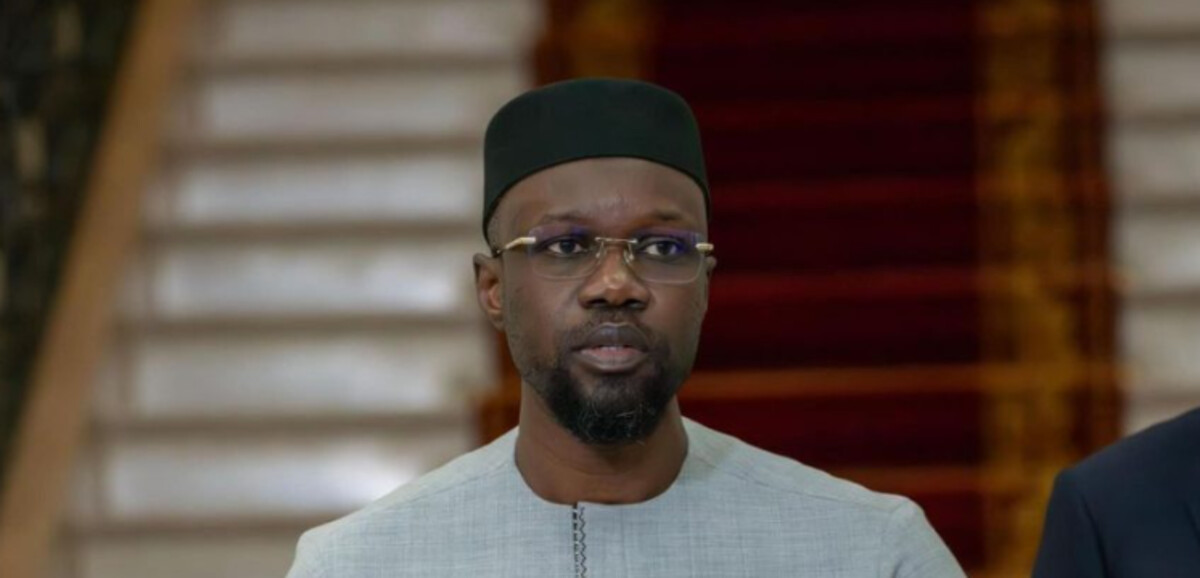
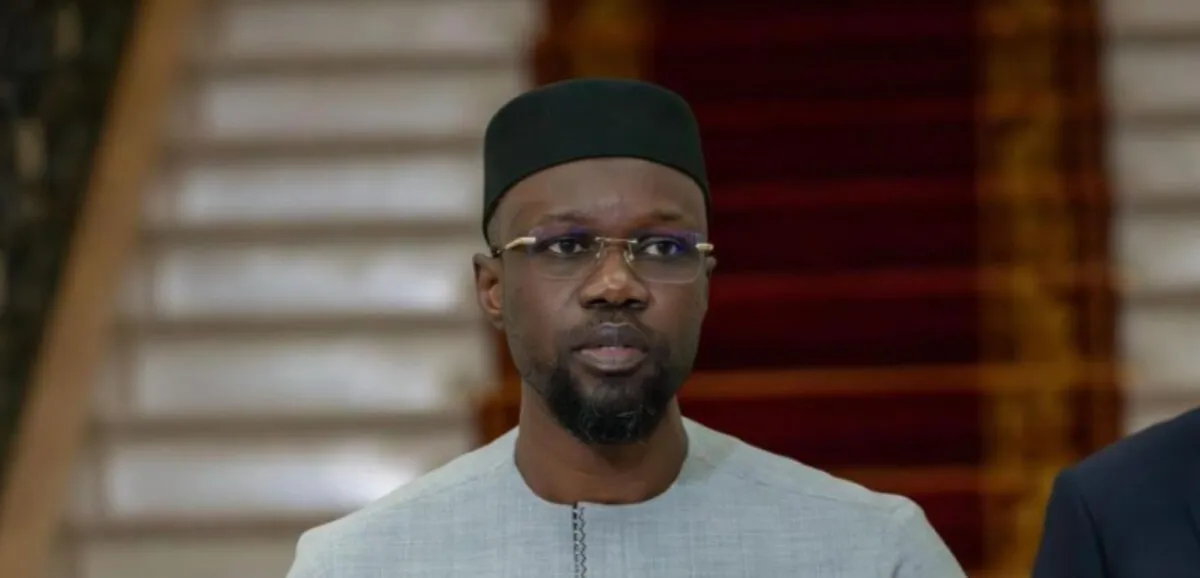
Dakar — Senegal’s Prime Minister Ousmane Sonko has strongly pushed back against international criticism of the country’s toughened stance on homosexuality, framing Western demands as an attempt to impose foreign values on Senegal’s cultural and religious foundations.
Sonko accuses Western nations of cultural imperialism
Speaking before lawmakers, Sonko delivered a pointed critique of what he described as the “tyranny of the West” in its efforts to influence Senegal’s legal framework on homosexuality. He argued that a small group of powerful Western nations, leveraging economic influence and media dominance, was attempting to dictate moral standards globally.
“The world has eight billion people, yet a handful—who call themselves the West, wielding wealth and media control—demand that their standards be imposed everywhere,” Sonko stated. His remarks came in response to growing international calls for Senegal to reconsider its recent legal changes.
Tougher penalties for same-sex relations
Senegal’s parliament approved a controversial amendment in early March, increasing prison sentences for consensual same-sex relations from five to ten years. President Bassirou Diomaye Faye signed the bill into law on March 31, solidifying the country’s stricter legal stance.
During his address, Sonko dismissed any possibility of a moratorium or suspension on the law’s enforcement, asserting that Senegal would not yield to external pressure. “Our laws reflect our values and sovereignty,” he declared, emphasizing that national decisions must take precedence over foreign interference.
A deeply divisive issue in Senegal
Homosexuality remains a highly sensitive topic in Senegal, where over 90% of the population identifies as Muslim. The revised legislation has sparked sharp divisions, with human rights advocates condemning it as a violation of fundamental freedoms, while supporters argue it aligns with the country’s cultural and religious norms.
Sonko framed the debate as a matter of national pride, insisting that Senegal must defend its autonomy against what he perceives as an unjustified Western agenda. “We are not a colony anymore,” he emphasized, rejecting the notion that international criticism should dictate domestic policy.