Senegal is entering a new phase in maritime security after announcing plans to entrust a portion of its coastal surveillance to Turkey. This strategic move, led by President Bassirou Diomaye Faye and his Prime Minister Ousmane Sonko, marks a rapid shift in the country’s security partnerships and raises a critical question for West African policymakers: does replacing a Western ally with an emerging power truly enhance sovereignty, or does it merely shift dependencies?
Dakar’s deliberate diplomatic realignment
Since the arrival of the Pastef administration in April 2024, Senegal’s foreign policy has undergone a noticeable transformation. The closure of French military bases, finalized in 2025 after initial steps in 2024, fulfills a campaign promise to break free from post-independence cooperation norms. The presence of French troops, once part of the French Elements in Senegal (EFS), became a political liability for an administration elected on a platform of sovereignty and renewal.
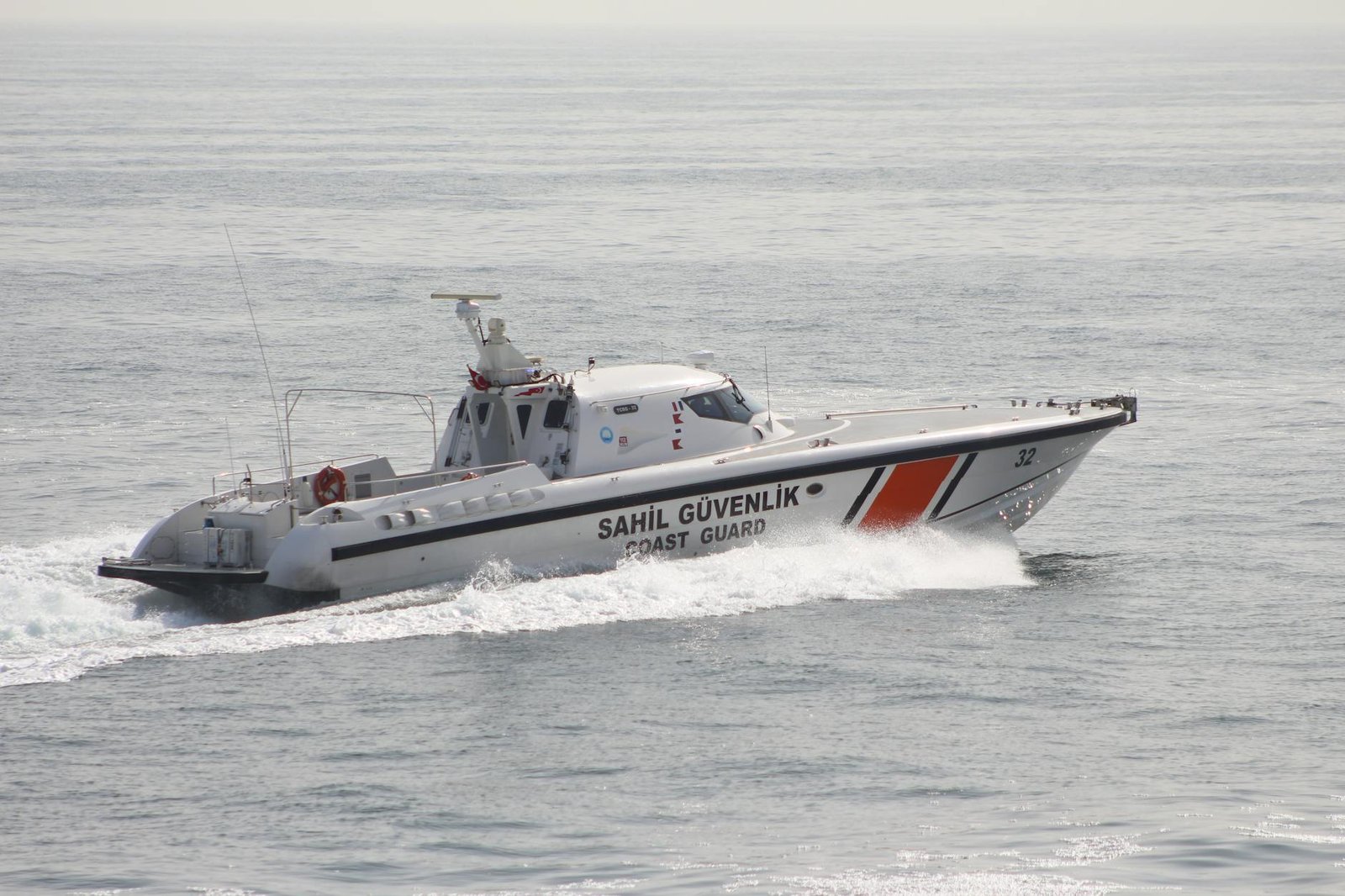
The void left by France’s departure did not remain unfilled for long. Turkey, which has steadily expanded its influence across Africa over the past decade, has positioned itself as a strategic alternative. Ankara now offers Dakar support in maritime surveillance—a sector critical for a nation whose exclusive economic zone spans roughly 158,000 square kilometers and holds vital stakes in fisheries, migration control, and hydrocarbon exploration.
Turkey’s growing role in Gulf of Guinea security
The choice of Turkey is far from accidental. Ankara has leveraged its defense industry as a tool of diplomatic influence, with companies like Baykar, ASELSAN, and ARES Shipyard already active in countries such as Tunisia, Niger, Togo, and Nigeria. The Bayraktar TB2 drones, exported to more than thirty nations, exemplify a diplomacy built on equipment transfers, training, and operational cooperation. For Senegal’s coastal security, the Turkish offer likely includes patrol vessels, surveillance systems, and crew training.
This shift aligns with a broader regional trend. The Gulf of Guinea remains one of the world’s most vulnerable zones for maritime piracy, illegal fishing, and transnational trafficking. Estimates suggest that illegal, unreported, and unregulated (IUU) fishing costs West Africa billions annually. For Dakar, securing its maritime borders is not just a matter of sovereignty but also the protection of a vital economic resource.
Real sovereignty or a new form of dependence?
The debate sparked by this transition goes beyond the mere replacement of one partner with another. Analysts in Senegal are questioning whether this shift truly enhances autonomy or merely transfers dependencies. Acquiring Turkish capabilities means relying on new supply chains, training programs, maintenance contracts, and technical support—factors that could create lasting ties. The Libyan precedent, where Turkey gained enduring influence through military support, serves as a cautionary tale for observers.
Yet diversification of partnerships, in principle, strengthens sovereignty. By moving away from a single historical ally, Senegal gains leverage in negotiations and the ability to seek better terms. Unlike France, Turkey lacks a colonial legacy in Africa and, so far, does not impose explicit political conditions on arms sales—a point that resonates strongly with the current administration’s narrative.
In practice, the success of this new partnership will hinge on three key factors: the operational effectiveness of the deployed systems along the coast, the level of autonomy granted to Senegalese forces in executing missions, and the transparency of contracts signed with Turkish firms. Without these, the sovereignty-focused gamble could merely amount to a shift in diplomatic orbit. The coming months, including potential framework agreements between Dakar and Ankara, will provide clarity on the outcome.