Sénégal struggles with persistent gender gaps in local leadership
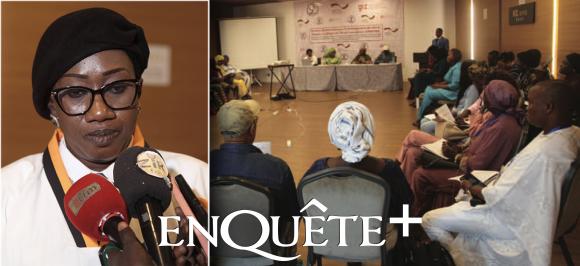
As a beacon of democracy in Africa, the Sénégal continues to grapple with significant challenges in achieving gender parity within its governance structures. Despite constitutional guarantees and progressive legislation, recent electoral outcomes reveal a stark decline in women’s representation at both national and local levels.
Election results expose systemic barriers
Following the November 2024 legislative elections, a concerning trend emerged: female representation in the National Assembly dropped from 44.2% to 41%, while women accounted for just 13% of party list leaders. The situation is even more pronounced at the local level, where only 18 out of 558 mayors are women, and only three women preside over departmental councils out of 43.
Cultural resistance and structural obstacles persist
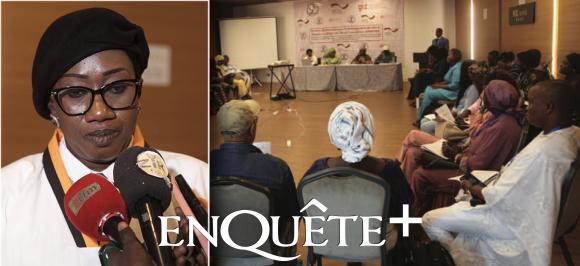
Bator Seck, focal point for the Réseau des Femmes Leaders pour le Développement (RFLD), highlights that these figures reflect deeper systemic issues. “The statistics aren’t just numbers—they reveal entrenched barriers to political participation, cultural resistance, and persistent inequalities in access to power, financing, media visibility, and decision-making spaces,” she explains.
The RFLD has launched a two-day regional seminar in Dakar focusing on strengthening women’s political engagement across Francophone West Africa. The initiative targets 30 women leaders—including parliamentarians, party heads, local elected officials, candidates, activists, and civil society leaders—representing diverse generations, political affiliations, and backgrounds.
A call for inclusive democracy
“This seminar isn’t just about sharing experiences—it’s about building strategies to amplify women’s voices in public policy and electoral processes,” Seck asserts. “Democracy cannot be complete when half the population remains underrepresented in decision-making spheres. The future of Sénégal’s governance must be built with women, not for them.”
Empowerment through training and mentorship
Maman Diouf Fall, representing the Minister of Family and Social Solidarity, underscores another critical challenge: the lack of confidence among women leaders. “Many women possess the skills and legitimacy to lead but hesitate due to societal pressures, persistent stereotypes, and a lack of structured support,” she notes.
She emphasizes the need for targeted training programs in leadership, political communication, public governance, and digital tools, particularly for women in rural areas who face additional barriers to accessing such opportunities. “Mentorship and intergenerational networks are vital to guide young women toward leadership roles,” Fall adds.
The government’s initiatives include awareness campaigns, leadership training, citizenship education, and psychosocial support for vulnerable groups. These efforts aim to combat child marriage, gender-based violence, and school dropout rates among girls while fostering economic and political autonomy for women.
The collective vision is clear: “Beyond legal frameworks and commitments, our mission is to create an environment where women can participate fully, freely, and effectively in public life,” Fall concludes. “This requires continuous social transformation, community engagement, and investment in women’s empowerment at every level.”