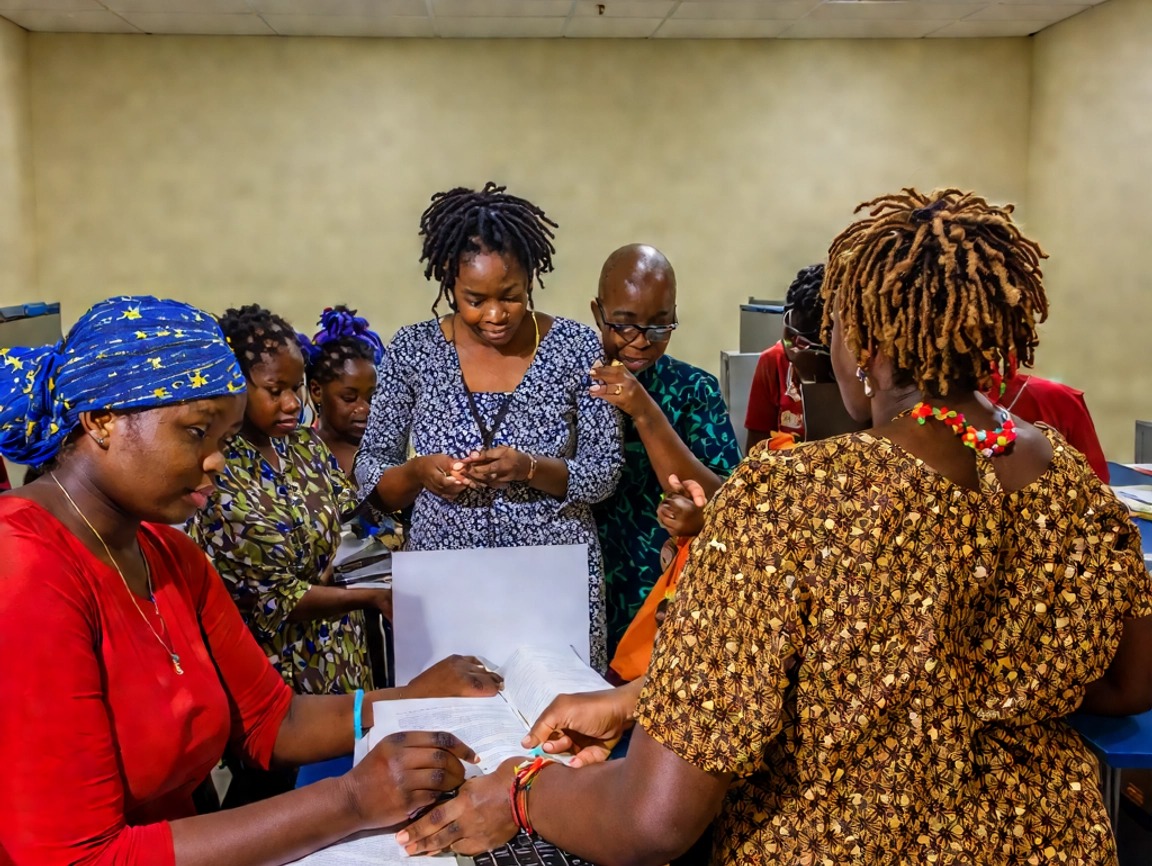
Dakar recently hosted a pivotal gathering where advocates for gender equality underscored a critical truth: the future of Sénégal cannot be forged without the full and active participation of women. The Réseau des femmes leaders pour le développement (RFLD), a pan-African feminist network operating across multiple West African nations, convened a high-profile seminar to address the persistent barriers hindering women’s political representation and decision-making influence in the country.
Why women’s leadership is non-negotiable in Sénégal
During her keynote address, Bator Seck, President of the RFLD in Sénégal, delivered a powerful message: “A democracy remains incomplete as long as women are excluded from positions of power. The political future of this nation must be built with women—not for them.” Her statement resonated deeply during the opening of the seminar focused on empowering women to engage more robustly in politics and public life.
The RFLD, which also operates in Ghana, Gambie, and Bénin, champions legislative advocacy, community organizing, and grassroots funding initiatives. Its mission extends beyond political representation to include advancing women’s rights, sexual and reproductive health, civic space, and climate justice.
A troubling decline in women’s political presence
Despite Sénégal’s reputation as a regional leader in gender equality—bolstered by the 2010 parity law, the 2001 Constitution enshrining gender equality, and the ratification of international human rights conventions—Ms. Seck highlighted a stark contradiction. The 2024 legislative elections revealed a troubling regression: women’s representation in the National Assembly dropped from 44.2% to 41%. Even more concerning, only 13% of electoral list leaders were women.
Local governance tells an even grimmer story. Out of 558 municipalities, merely 18 are led by women. At the departmental level, only three out of 43 councils are chaired by women. These figures reveal deep-rooted structural obstacles, cultural biases, and systemic inequalities in access to political financing, media visibility, and leadership opportunities.
The indispensable contributions of Sénégambian women
Yet, women in Sénégal continue to play an irreplaceable role in shaping society. Their contributions span local economies, education, social justice movements, and peacebuilding efforts. The economic and social fabric of the nation thrives on their relentless dedication.
During the seminar, voices from across the political and civil society spectrum echoed this sentiment. A prominent figure within the Ministry of Family, Social Action, and Solidarity emphasized that women’s political participation is a cornerstone of sustainable development, social stability, and effective governance.
Similarly, Fatoumata Guèye Ndiaye, honorary president of the Association des juristes sénégalaises, called for urgent reforms to expand women’s access to executive positions and party leadership. She advocated for a revision of the parity law to further amplify female voices in decision-making spheres.