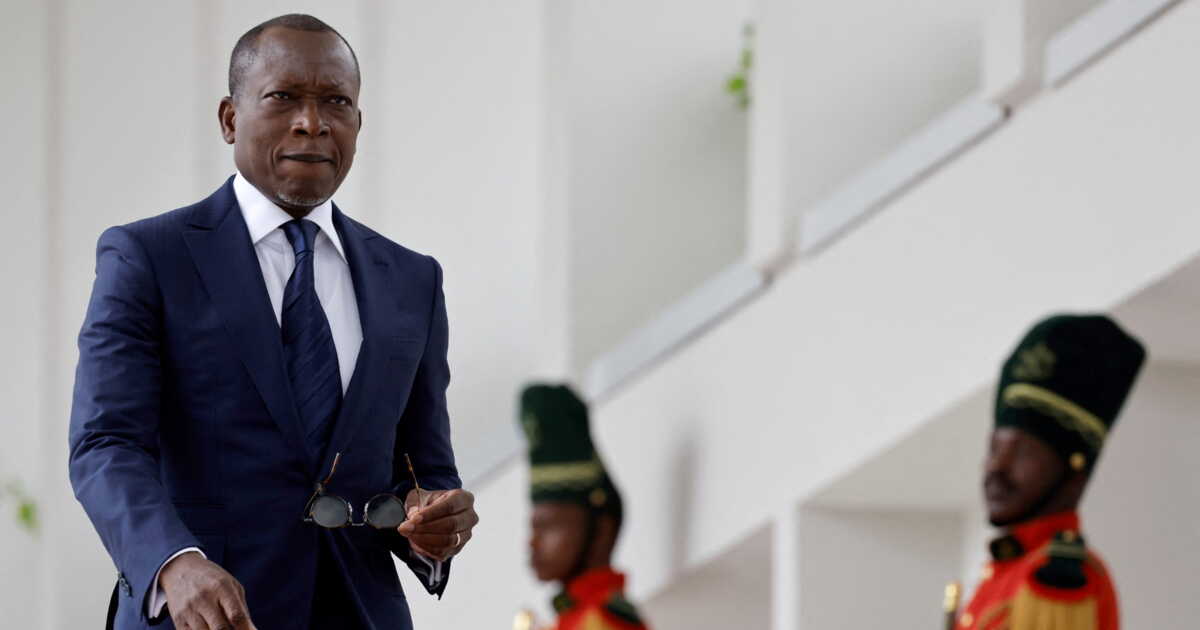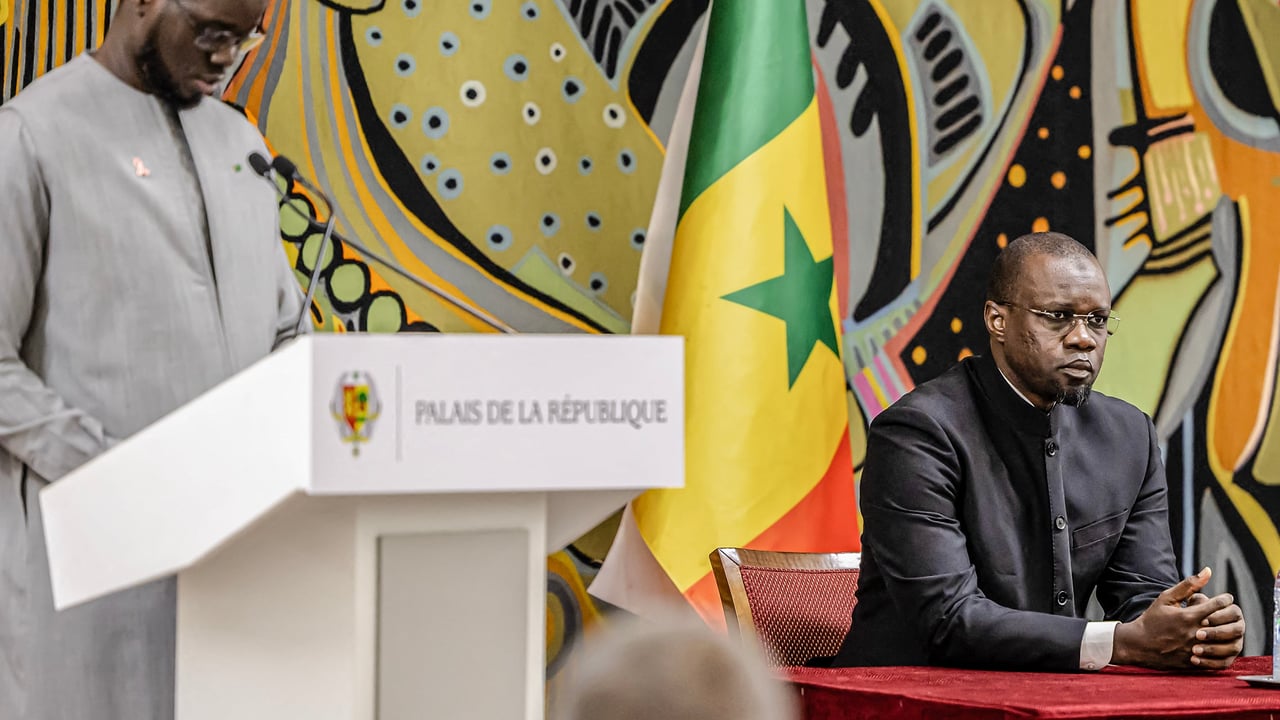

“I want strong CEOs, strong ministers, a super-strong Prime Minister. I don’t want to be the type of president who holds all the power.” On April 4, 2025, during a press conference marking National Day, President Bassirou Diomaye Faye made his stance clear: he plans to overhaul the respective powers of the head of state and his government.
Why Ousmane Sonko stands to benefit the most
Since taking office, President Faye has repeatedly emphasized his commitment to decentralizing power. His proposed constitutional reforms aim to shift authority away from the presidency toward institutions like the Prime Minister’s office and independent bodies. While this approach may strengthen governance, observers warn it could inadvertently create a power vacuum—and one political figure appears perfectly positioned to fill it: opposition leader Ousmane Sonko.
The political implications of a reshuffled power structure
Under the current system, the Senegalese president wields significant executive power. However, the reforms—if approved—would redistribute key responsibilities to the Prime Minister, cabinet members, and regulatory agencies. This shift could dilute the president’s direct control over appointments, policy execution, and administrative oversight, potentially leaving critical roles open for political maneuvering.
Ousmane Sonko, leader of the Pastef movement and a prominent opposition figure, could find himself in a prime position to influence these newly empowered institutions. His party’s growing support base, particularly among young voters, aligns with the reforms’ emphasis on governance renewal and transparency. If the constitutional changes pass, Sonko’s influence within Senegal’s political landscape could expand significantly.
Potential outcomes and public reactions
Public opinion remains divided. Supporters of President Faye argue that the reforms will create a more balanced, accountable government. Critics, however, express concerns that the changes could lead to instability or even political opportunism. Sonko’s supporters, in particular, see the reforms as an opportunity to position their leader as a reformist alternative to the current administration.
As the debate intensifies, one thing is clear: Senegal’s constitutional reforms are about more than institutional adjustments—they could reshape the nation’s political future. And for Ousmane Sonko, the timing may be just right.