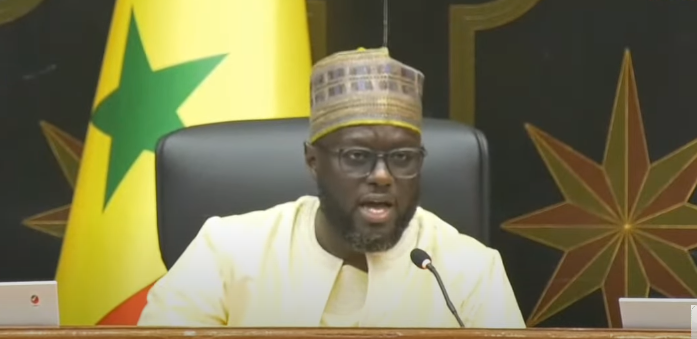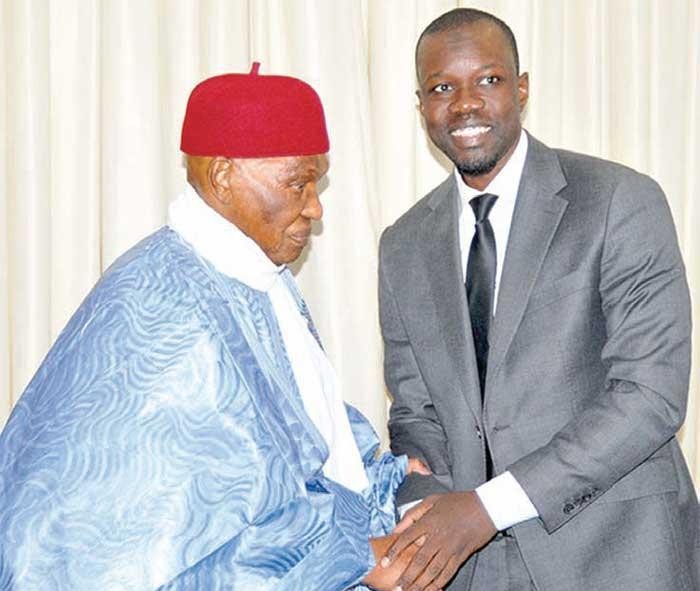
As Senegal prepares to mark a century of existence for one of its most influential political figures, Ousmane Sonko, President of the National Assembly, has paid a heartfelt tribute to former President Abdoulaye Wade on his 100th birthday. The historic milestone coincides with Tabaski, a sacred moment when millions of Senegalese reflect in quiet reverence rather than public celebration.
a centennial salute to a democratic icon
In a poignant message shared on X, Ousmane Sonko framed Abdoulaye Wade’s life as 100 years of meaningful contribution. The leader of Pastef acknowledged the absence of a grand national ceremony due to the religious holiday but emphasized that the nation’s silent prayers and heartfelt thoughts serve as the most sincere form of homage.
Sonko traced Wade’s extraordinary journey—from his election to the National Assembly in 1978 to his pivotal role in the historic democratic transition of March 2000, which ended decades of uninterrupted rule. “Abdoulaye Wade is, without question, one of the most illustrious architects of Senegalese democracy,” Sonko declared, underscoring the depth of the former leader’s impact on the nation’s political landscape.
more than politics: a legacy of trust and mentorship
Beyond institutional achievements, Sonko reflected on the personal bond he shares with Wade, describing moments of generosity and trust that shaped his own political path. He recalled two defining instances—first in 2017 and again in 2019—when Wade extended gestures of confidence that transcended conventional power dynamics.
“He placed on my path a gift reserved for great leaders: not the transfer of power, but the rarer gift of trust,” Sonko shared, revealing how Wade’s wisdom and foresight became guiding lights in his journey.
Concluding his tribute, Sonko addressed Wade with affection as “his grandfather”, offering prayers for his well-being: “May Allah protect him always. May Senegal, as he envisioned, continue marching toward modernity while cherishing its core values.”