
Senegal’s new political era as diomaye faye unveils kiiraay party
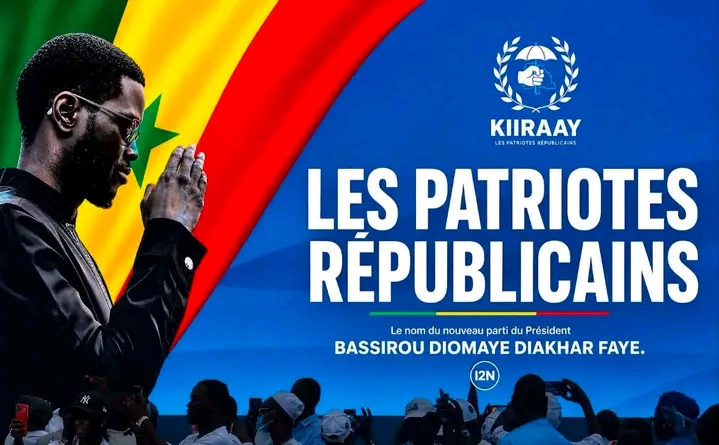
Senegal’s president launches new political force to drive national transformation
In a historic move that reshapes the political landscape of Senegal, President Bassirou Diomaye Faye inaugurated his new party, KIIRAAY – Les Patriotes Républicains, on Saturday, July 25, in Dakar. This development marks a decisive shift following his departure from the PASTEF, the party led by his former mentor, Ousmane Sonko.
The founding assembly of the new political formation was held in a prominent hotel in the capital, where delegates unanimously elected Faye as the party’s president. The choice of name, KIIRAAY, meaning “what protects” in Wolof, underscores its mission to safeguard national interests, strengthen republican institutions, and uphold the rule of law.
The party’s motto, « La Patrie d’abord » (The Nation First), reflects its commitment to prioritizing Senegal’s development over partisan interests. Faye’s decision to lead this new movement comes shortly after his resignation from PASTEF’s leadership at the start of his presidential term, signaling a strategic realignment in his political trajectory.
A united front for Senegal’s future
The creation of KIIRAAY stems from the merger of 437 political parties, movements, and civil society organizations. These diverse groups have rallied behind a shared vision: supporting President Faye’s reform agenda and advancing the country’s development ambitions under the Vision Sénégal 2050 strategy.
According to the resolution presented by Aminata Touré, General Supervisor of the former Diomaye Président coalition, this alliance represents a collective effort to consolidate governance reforms and foster long-term stability. The move has drawn significant attention from international partners, investors, and development stakeholders, who view it as a pivotal moment for Senegal’s political and economic trajectory.
Implications for governance and national progress
The emergence of KIIRAAY is not merely a political restructuring—it signals the beginning of a new chapter in Senegalese politics. With upcoming electoral deadlines on the horizon, the party’s formation could redefine power dynamics within the presidential majority and the opposition. More importantly, it sets the stage for the future of economic and institutional reforms, reinforcing investor confidence in Senegal’s stability and policy direction.
As the country advances its ambitious Vision Sénégal 2050 roadmap, the success of this new political formation will play a crucial role in shaping Senegal’s path toward sustainable growth, democratic resilience, and international partnership.