Senegal’s palm oil dependency: can Indonesia’s expertise break the costly import cycle?
The Senegalese government is making a bold strategic bet to transform its palm oil industry. After a decade of stagnation, Dakar is turning to Indonesia, the world’s largest palm oil producer, to unlock new production potential and reduce expensive imports. But will this high-stakes partnership deliver the results the country desperately needs?
From stagnation to ambitious expansion: Senegal’s palm oil dilemma
For over ten years, Senegal’s palm oil sector has remained locked in a frustrating cycle of underproduction. Despite favorable climate conditions in the central and southern regions, the country has never managed to cultivate more than 12,000 hectares of oil palm plantations. This limitation has kept industrial production capped at around 14,000 tons annually — far below domestic demand.
Yet Senegalese consumers continue to demand palm oil at the same steady pace. Between 2015 and 2024, the country imported an average of 148,100 tons of palm oil each year, with a peak of 195,937 tons in 2017. The financial burden has been severe: annual import bills have averaged nearly $108 million, spiking to $172 million in 2020. Faced with this unsustainable dependence, Dakar is now seeking a radical solution.
60,000 Hectares in play: a partnership to rewrite the future of Senegal’s palm oil
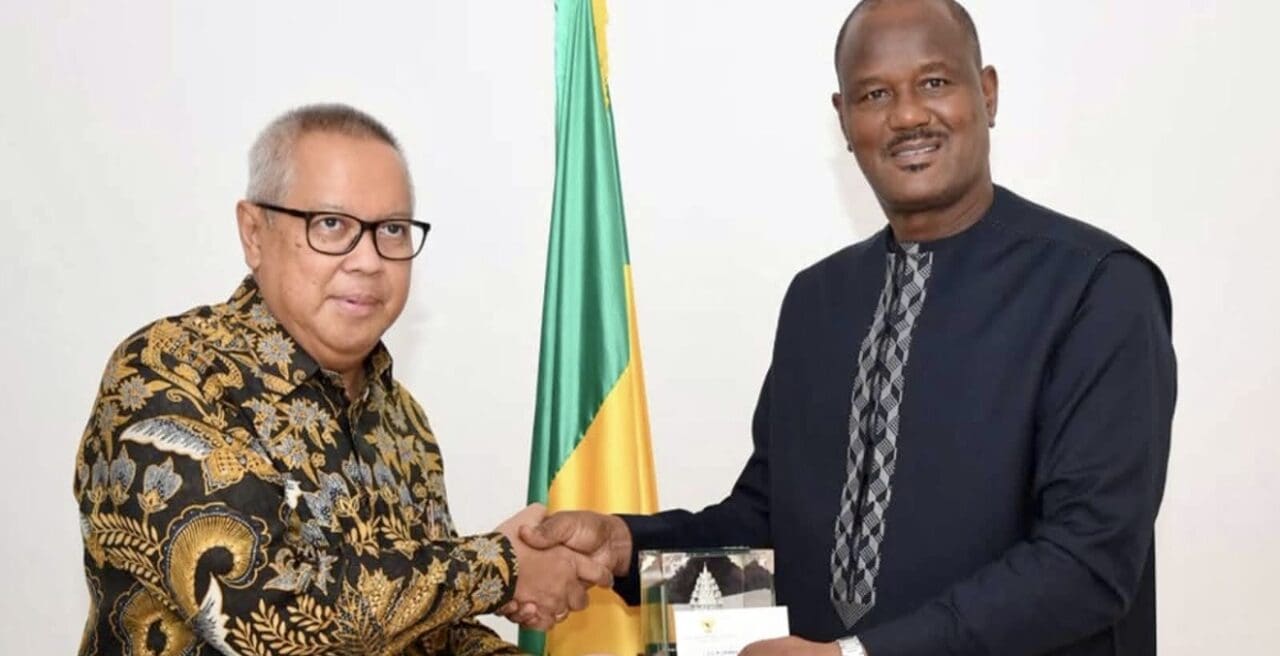
A secretive meeting in Dakar on September 11 changed the trajectory of the sector. In front of the Indonesian ambassador, Senegalese officials presented a transformative proposal: the development of 60,000 hectares of new oil palm plantations across central and southern regions. This ambitious plan would multiply existing cultivated areas by five, potentially unlocking a new era of self-sufficiency.
But the roadmap remains unclear. While Indonesian officials have begun technical discussions with their counterparts in Dakar, details about timelines, funding mechanisms, and local integration strategies have yet to be disclosed. The scope of the project demands careful planning — not just in agriculture, but in finance, logistics, and human capital development.
Why Indonesia? More than just palm oil, a blueprint for success
Indonesia is not just the world’s top palm oil producer — it is the undisputed industry leader, producing an estimated 46.7 million tons in the 2025/2026 season. What sets Jakarta apart is its decades of accumulated expertise: from high-yield seed selection and sustainable plantation management to advanced industrial processing and value-added production.
Senegal’s goal extends beyond land expansion. By partnering with Indonesia, Dakar aims to absorb critical knowledge through technology transfer, workforce training, and institutional strengthening. This knowledge integration could help build a more efficient, modern, and sustainable palm oil value chain — one that reduces waste, increases yield, and improves product quality.
Lessons from the continent: has Senegal arrived late to the game?
Senegal is not the first African nation to seek Indonesia’s expertise. Tanzania has already forged a 2025 cooperation agreement with the Indonesian Palm Oil Association (GAPKI), focusing on technical training and skill development. Nigeria, Africa’s largest palm oil producer, signed a similar memorandum in 2024 with GAPKI, aiming to boost productivity through shared knowledge and technology.
Yet success remains elusive for many. Despite these partnerships, several countries still struggle to scale their palm oil industries due to infrastructure gaps, policy inconsistencies, and limited access to capital. For Senegal, the stakes are even higher: failure to execute could deepen import dependency, while success could redefine its agricultural economy.
What happens next? The next phase of Senegal’s oil palm revolution
The coming months will be decisive. Dakar and Jakarta are expected to finalize a joint technical working group to oversee project implementation. This group will need to address multiple challenges: securing sustainable financing, selecting suitable land, ensuring environmental compliance, and training local farmers in modern cultivation techniques.
If executed well, this partnership could mark a turning point. If delayed or mismanaged, it risks becoming yet another unfulfilled promise in a sector plagued by decades of missed opportunities.
One thing is certain: Senegal cannot afford another decade of stagnation. With global palm oil prices volatile and import costs rising, the time to act is now. The question is no longer whether Dakar will take bold steps — but whether Indonesia’s expertise will be enough to break the cycle of dependence.