Is Gabon gambling away its fishing sovereignty in new EU talks?
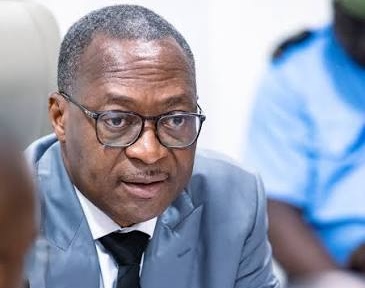
Gabon’s government has taken a decisive step toward reshaping its fishing partnership with the European Union, raising critical questions about the future of its marine resources and economic priorities. In a landmark decision, the Council of Ministers, meeting in Port-Gentil on September 18, 2026, greenlit the launch of negotiations for a new sustainable fisheries partnership agreement (SFPA) and its application protocol. The move places Aimé Martial Massamba, Minister of Fisheries, Sea, and Blue Economy, at the helm of a high-stakes diplomatic process aimed at striking a balance between national interests and international cooperation.
Can a new deal protect Gabon’s waters while securing economic gains?
The Gabonese government has framed this renegotiation as an opportunity to correct the perceived imbalances of the previous agreement, which expired on June 28, 2026. Signed five years earlier, the deal permitted up to 33 European vessels to fish for tuna in Gabonese waters in exchange for financial compensation—€1.6 million annually from the EU, supplemented by contributions from shipowners. However, Libreville deemed the arrangement unfavorable, citing limited local economic benefits and insufficient control over its own marine resources.
Under the new framework, Gabon seeks to assert its sovereignty over its waters while fostering a partnership that prioritizes sustainable exploitation. The government has outlined clear objectives: reducing illegal, unreported, and unregulated (IUU) fishing, strengthening local value chains, and ensuring that any new accord aligns with the country’s long-term blue economy strategy.
From confrontation to collaboration: Bringing both sides to the table
The decision to renegotiate follows Gabon’s formal denunciation of the previous agreement in June 2025, a move that underscored the country’s determination to prioritize its own interests. This stance has not gone unnoticed in Brussels, where the EU has signaled its willingness to engage in a fresh round of talks. In a June 2026 declaration, EU officials expressed openness to a ‘next-generation’ agreement, one that would address Gabon’s concerns while maintaining a cooperative approach.
The tone set by Cécile Abadie, EU Ambassador to Gabon, in her post-denunciation remarks reflects a desire for constructive engagement. ‘My hope is that we can come together swiftly and efficiently to address each concern,’ she stated, emphasizing the bloc’s preference for dialogue over stalemate. This diplomatic overture suggests that both sides recognize the mutual benefits of collaboration, even as Gabon pushes for a more equitable framework.
What’s at stake for Gabon’s blue economy?
For the Gabonese government, the stakes could not be higher. The blue economy—encompassing fisheries, aquaculture, and maritime transport—is a cornerstone of national development plans. By securing a sustainable and economically advantageous deal, Gabon aims to:
- Protect its marine ecosystems from overfishing and illegal activities.
- Boost local employment through increased value addition in the fisheries sector.
- Maximize financial returns from its marine resources, ensuring that revenues benefit Gabonese communities and industries.
- Enhance maritime surveillance to combat IUU fishing, a persistent challenge in Central African waters.
Minister Massamba’s agenda underscores these priorities, positioning the renegotiation as a pivotal moment for Gabon’s economic and ecological future. The outcome of these talks will determine whether the country can achieve its vision of a thriving, sovereign blue economy—or whether it will face further concessions in the name of international cooperation.
The coming months will be crucial. With a negotiation team now in place and a timeline established, Gabon and the EU are poised to engage in a series of discussions that could redefine their partnership for decades to come. The question remains: Will this new accord strike the right balance, or will Gabon’s sovereignty once again take a backseat to external interests?