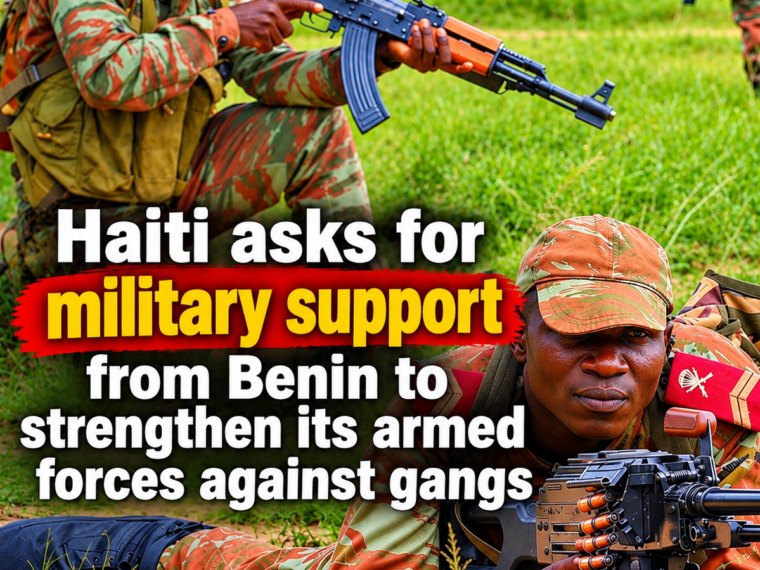
Port-au-Prince seeks Benin’s military expertise to counter gang dominance
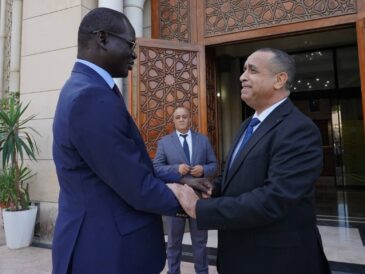
As armed gangs tighten their grip across Haiti, Port-au-Prince is turning to Benin’s military expertise to bolster its security forces. High-level discussions on November 3, 2026, in Cotonou focused on strengthening operational capabilities through training and shared experiences. The initiative underscores the critical role of African military knowledge in addressing complex security threats.
Why Benin’s military model could reshape Haiti’s fight against gangs
Haiti’s escalating gang violence has crippled key urban centers, disrupted economic activity, and undermined institutional stability. In response, Haitian authorities are prioritizing the modernization of their armed forces, with a focus on training, discipline, and operational readiness. Benin’s experience in countering similar security challenges particularly in its northern regions positions it as a strategic partner.
The proposed collaboration aims to enhance Haiti’s military preparedness by adapting proven techniques to its unique urban warfare landscape. Key areas of focus include tactical coordination, civil protection measures, and the effective deployment of personnel in high-risk zones.
Training as the cornerstone of military reform
Beyond equipment acquisition or troop reinforcements, Haiti’s security strategy hinges on the human element. The Benin-Haiti partnership emphasizes:
Specialized training programs to improve tactical execution and unit coordination
Leadership development for mid-level commanders to enhance decision-making
Civil-military engagement strategies to safeguard vulnerable communities
Adaptive operational frameworks tailored to Haiti’s gang-dominated terrains
While Benin’s expertise offers valuable insights, Haitian officials must integrate these lessons within its own security architecture to ensure lasting impact.
From lessons learned to actionable results
The Cotonou discussions marked a pivotal step, but the true test will be the execution of these initiatives. Success depends on:
Transparent needs assessment by Haitian authorities
Structured implementation of training modules
Measurable improvements in operational capacity
Sustainable knowledge transfer to prevent dependency
The partnership holds broader implications for South-South military cooperation, demonstrating that solutions to modern security crises often lie closer to home.
A measured approach to long-term stability
While military training is a critical component, it cannot single-handedly resolve Haiti’s multifaceted crisis. Holistic security restoration requires:
Reinforced institutional coordination between defense and law enforcement
Community-centric security strategies
Addressing root causes of gang recruitment and influence
The Benin collaboration represents a targeted intervention, but lasting peace will depend on a broader, multi-faceted response.
Building resilience through African expertise
By seeking Benin’s military counsel, Haiti is embracing a paradigm shift one that values regional solutions over traditional foreign interventions. This approach highlights the untapped potential of African military partnerships in addressing contemporary security threats.
The coming months will reveal whether this strategic alliance can translate theoretical benefits into tangible gains for Haiti’s embattled security forces.
By Agnès Mvogo — Journalist