In recent weeks, the political landscape of Senegal has become a battleground for contrasting interpretations. While some observers warn of a looming institutional crisis, others see the seeds of a democratic renaissance. What cannot be disputed, however, is that these developments transcend individual personalities or temporary circumstances. At stake is nothing less than the very foundations of Senegal’s democracy, which are undergoing a profound transformation before our eyes.

Redefining power: when democracy regains its balance
Analyses of Senegal’s current political climate have highlighted a critical structural imbalance: since 1963, the country’s political system has been dominated by an overly powerful Executive, which has increasingly concentrated decision-making authority. This centralization has, over time, generated persistent tensions whenever political rivalries arose at the highest levels of government.
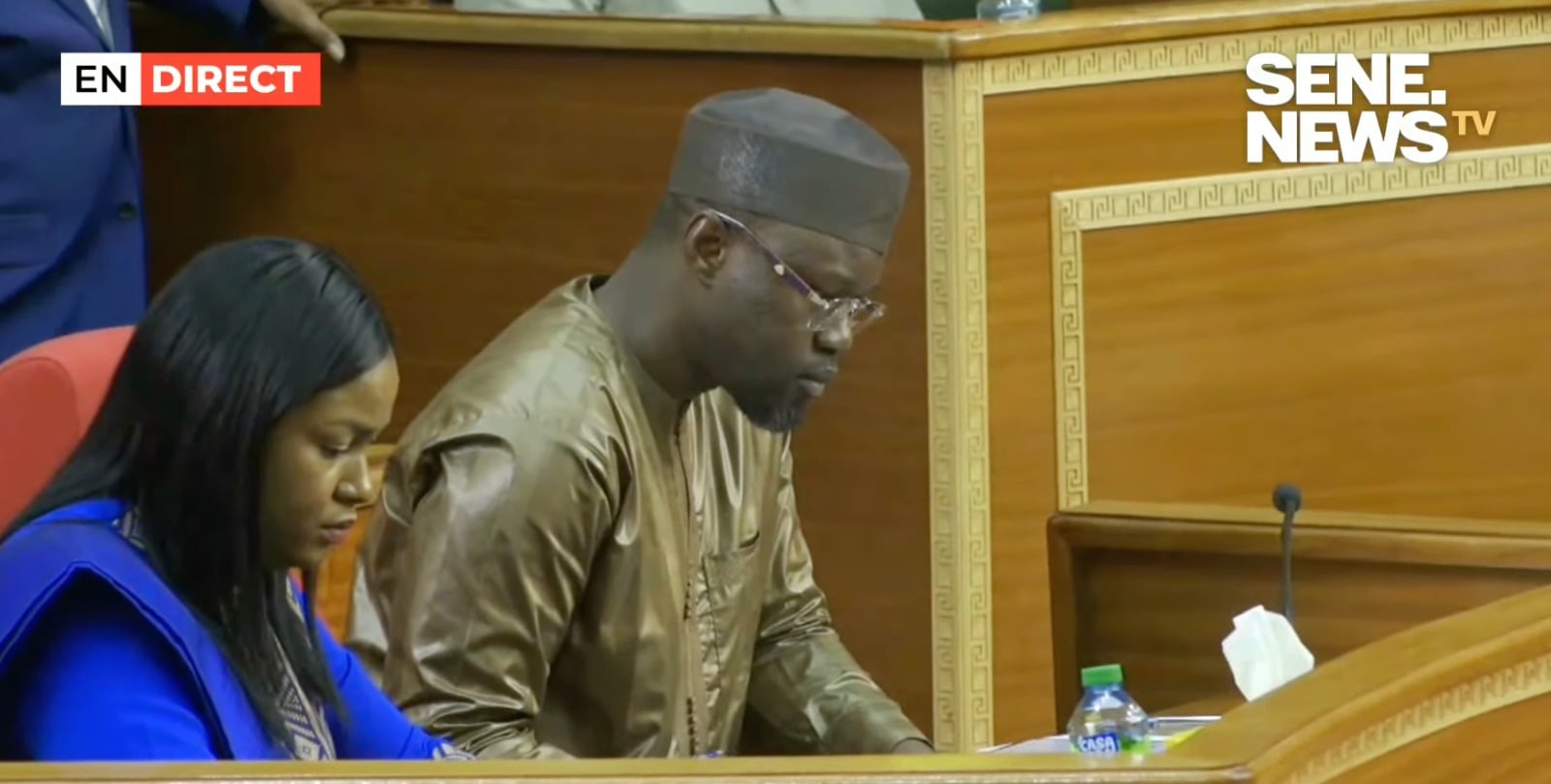
Yet one crucial factor has often been overlooked in these discussions: for the first time in over two decades, Senegal’s Parliament is no longer subordinate to the President. During the presidencies of Abdoulaye Wade and Macky Sall, the Legislative branch was effectively reduced to a mere rubber-stamp institution, its role diminished to approving decisions made elsewhere. This systematic subordination led to a dangerous erosion of institutional norms, with the Constitution repeatedly amended or manipulated to serve the Executive’s interests. Successive revisions, opportunistic adjustments, and selective interpretations have undermined the country’s legal stability.
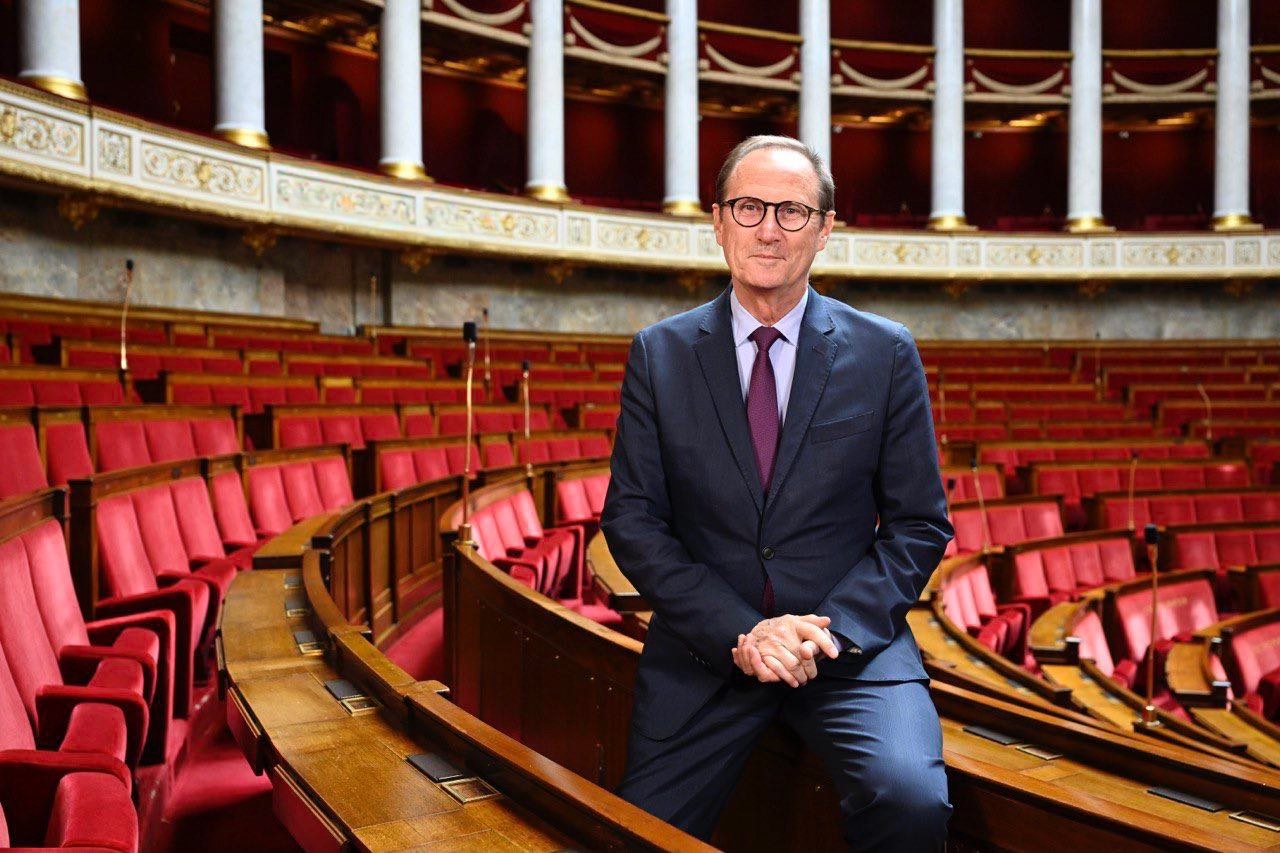
This is why the current situation cannot be dismissed as mere political turbulence. Rather, it represents a historic opportunity for democratic renewal—a moment when Parliament is finally asserting its constitutional role and reclaiming its independence. Far from being a dysfunction, this shift is the natural evolution of a maturing democracy. Consider the example of France: its National Assembly frequently rejects presidential proposals, and cohabitation between opposing political forces is not only common but considered a healthy mechanism for power balance. These tensions are not crises; they are the very essence of a functioning democratic system.
What some now label as a “crisis” in Senegal may well be the beginning of a culture of checks and balances, where the Executive no longer holds unchecked authority and the Legislative branch fulfills its rightful role. This is a watershed moment for Senegalese democracy—a chance to test the resilience of its institutions not through suppression, but through equilibrium.
From centralization to balance: why this is a democratic milestone
For decades, Senegal’s political landscape was defined by a rigid hierarchy, where power flowed downward from a dominant Executive. The Legislative branch, when it dared to assert itself, often faced swift retaliation. This imbalance created a fragile system where even the slightest shift in political winds could trigger instability.
Today, the tide is turning. The Parliament’s newfound independence signals a fundamental reconfiguration of power dynamics. This is not a sign of chaos, but of a democracy evolving toward greater maturity. Countries like Cape Verde, Ghana, Botswana, and South Africa—each with its own challenges—have demonstrated that robust democracies are not built on the absence of conflict, but on the capacity of institutions to absorb, regulate, and transform tensions into lasting balance.
Senegal now stands at a crossroads. Will it seize this moment to strengthen its democratic institutions, foster a culture of parliamentary accountability, and consolidate its system of checks and balances? The answer to this question will define the country’s political trajectory for years to come. A strong democracy is not measured by the absence of disagreements, but by its ability to navigate them constructively.
Building a stronger democratic future
The path forward requires deliberate action:
- Reform institutional frameworks to ensure transparency and prevent future abuses of power.
- Encourage active citizen participation to hold leaders accountable and deepen democratic engagement.
- Strengthen the judiciary as an independent counterweight to both the Executive and Legislative branches.
- Promote a culture of constitutionalism where laws are respected, not manipulated, and where power is shared, not concentrated.
This is Senegal’s chance to join the ranks of Africa’s democratic success stories—not by avoiding conflict, but by mastering it. The current shift is not a crisis; it is a renaissance. And it may well be the most promising institutional development Senegal has seen in two decades.
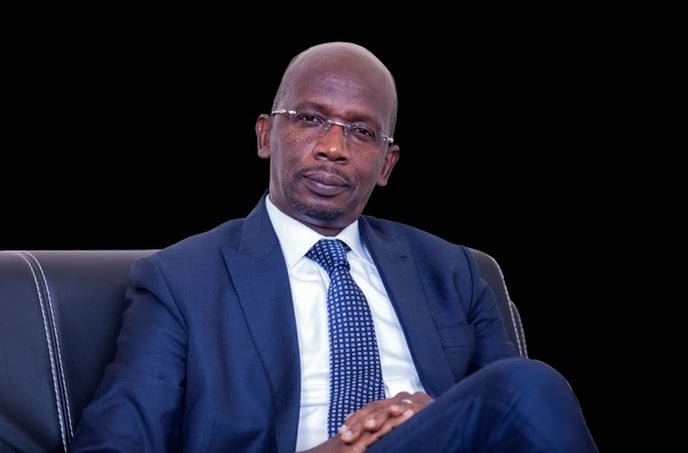
Lansana Gagny Sakho
President, Cercle des administrateurs publics