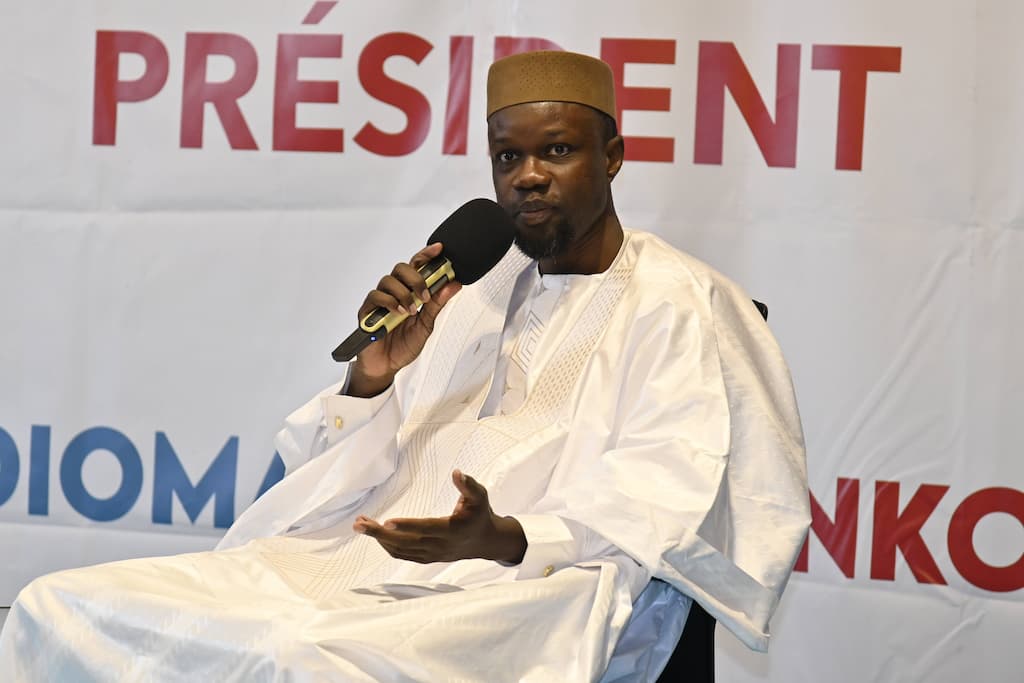
The political climate in Senegal has grown increasingly tense regarding LGBTQ+ rights. In a bold statement delivered to lawmakers, Prime Minister Ousmane Sonko categorically rejected what he described as Western attempts to impose homosexuality on African nations. The remarks came just weeks after Senegal enacted stricter penalties for same-sex relationships in the country.
The controversial legislation, which doubled existing prison sentences for homosexuality, was signed into law by President Bassirou Diomaye Faye on March 31. Under the new provisions, individuals convicted of same-sex relations now face between five and ten years behind bars. This legal shift follows a period of heightened social hostility and multiple arrests related to alleged homosexual conduct.
Prime Minister Sonko condemns Western influence
Addressing parliament, Ousmane Sonko framed the issue as a cultural battleground. He argued that a small group of Western nations was attempting to export their moral values through what he termed a “tyranny” of media influence and diplomatic pressure. “By what right do they seek to dictate our societal norms?” he questioned, emphasizing that Senegal would not accept external moral lectures.
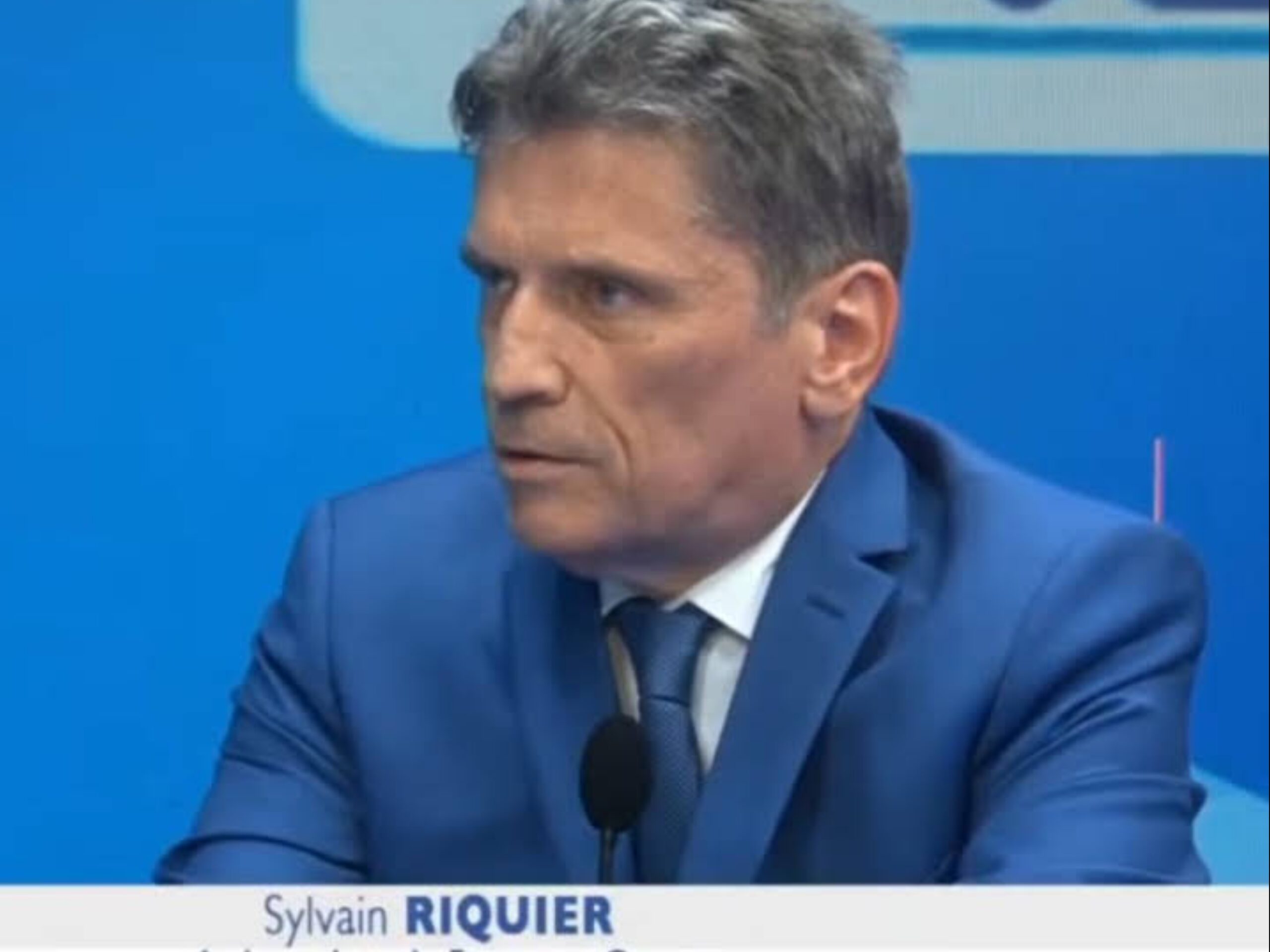
Sonko specifically challenged French authorities, pointing to recent public statements from Western governments. “If they choose these lifestyles for themselves, that is their business,” he asserted. “But we will not accept their cultural imposition—neither their laws, nor their civilization.”
No room for compromise on new legislation
The Prime Minister made it clear that Senegal would not entertain any discussions about delaying or softening the application of the controversial law. “If the legislation needs to be strengthened further, it will be,” he declared firmly. His stance reflects the growing divide between African nations and Western governments on issues of human rights and cultural sovereignty.
Senegal now joins a number of African countries where recent legislative changes have intensified penalties for LGBTQ+ individuals, despite international criticism. The government’s uncompromising position signals a rejection of global human rights norms in favor of preserving traditional cultural and religious values.