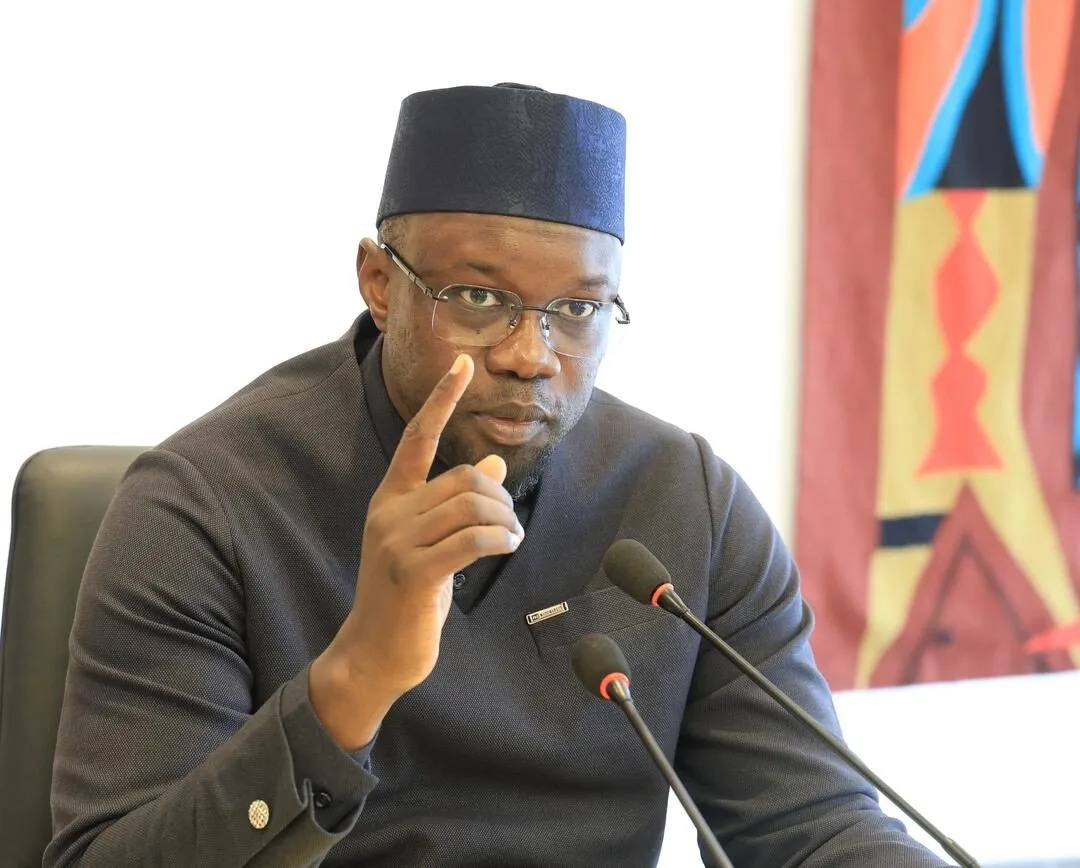
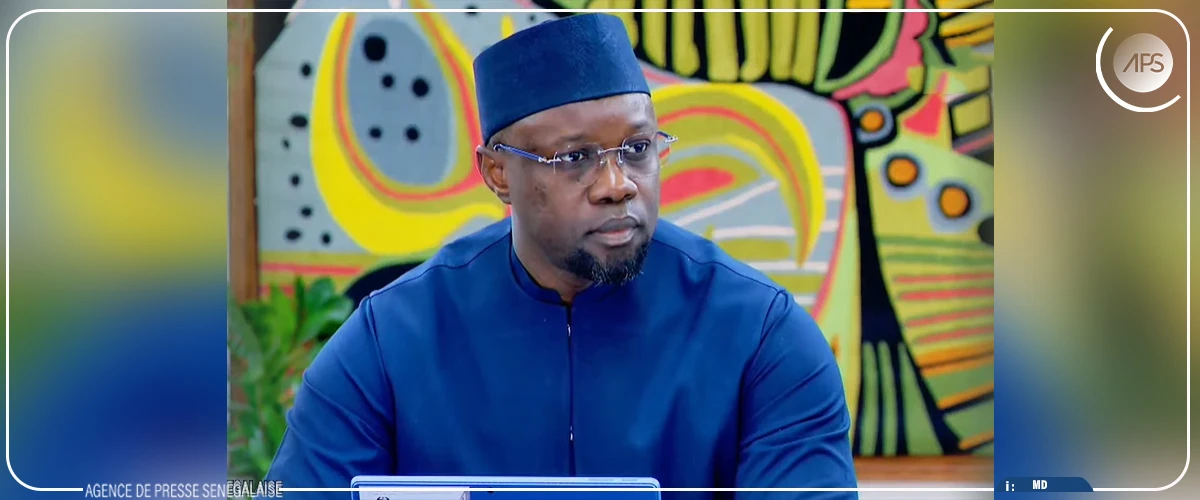
As anticipation builds for the high-stakes France-Senegal showdown, a statement from Ousmane Sonko has reignited a contentious debate that many thought had faded into obscurity. In declaring that “regardless of the outcome, it will be Africa triumphing over Africa,” the President of Senegal’s National Assembly revived an age-old controversy: the tendency to reduce Black players in the French squad to their ancestral roots rather than their French identity. This rhetoric, once espoused by far-right figures like Jean-Marie Le Pen and Éric Zemmour—and echoed by some Argentine fans—now finds itself echoed by one of Senegal’s most prominent political leaders.
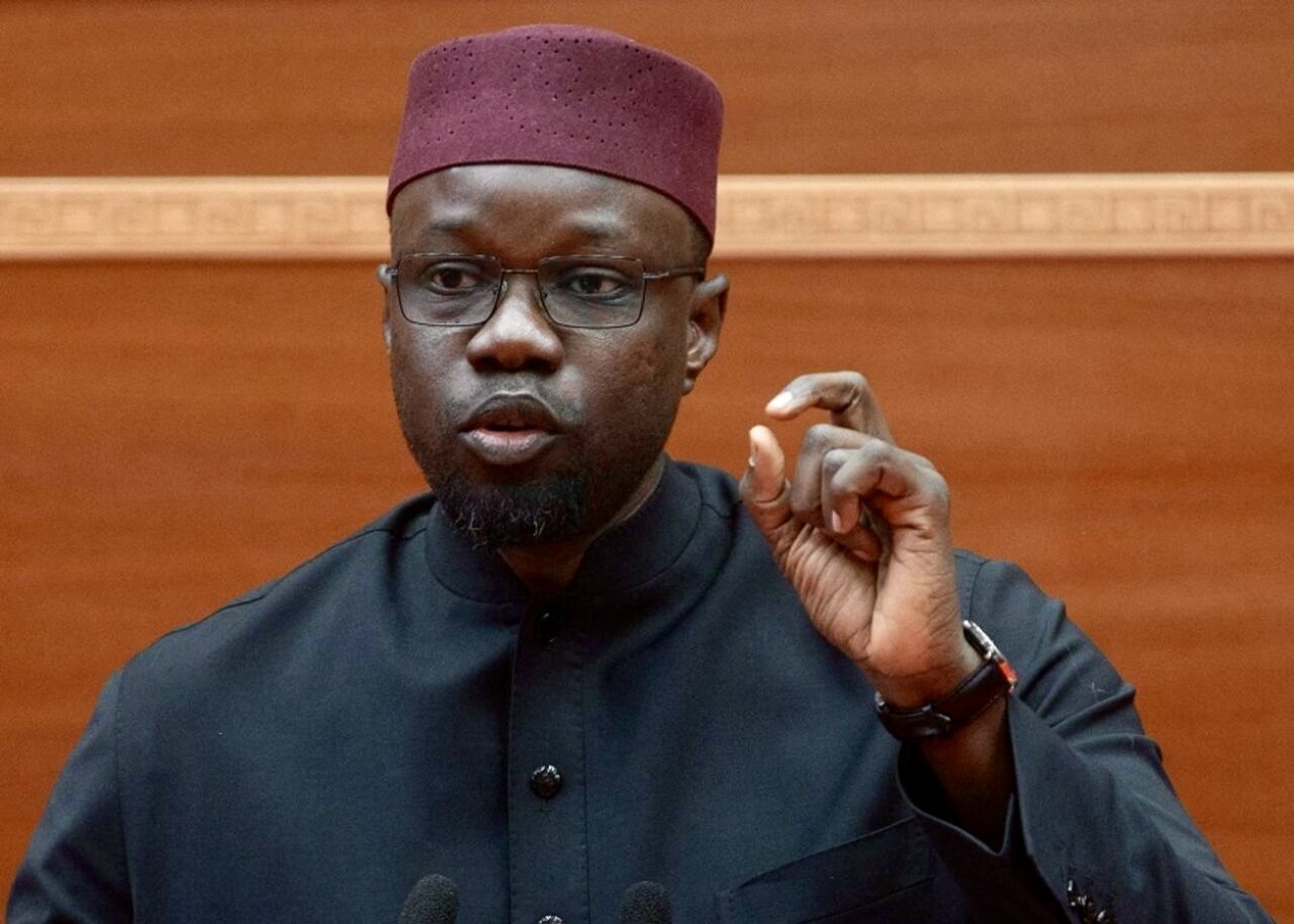
The phrase, delivered on the eve of a World Cup clash between two nations deeply connected by history and migration, has sparked mixed reactions. Some defend it as a Pan-Africanist expression of solidarity, while others see it as a subtle reinforcement of the very divisions it claims to overcome.
So, who exactly are we talking about?
The French national team competing in this World Cup is made up entirely of French citizens. Most were born and raised in France. Kylian Mbappé, the team’s captain, was born in Paris. Ousmane Dembélé hails from Vernon. Aurélien Tchouaméni grew up in Rouen. William Saliba in Bondy. Dayot Upamecano in Évreux. Ibrahima Konaté in Paris. Rayan Cherki in Lyon. Bradley Barcola in Villeurbanne. Désiré Doué in Angers. Warren Zaïre-Emery in Montreuil. These athletes trained in French academies, competed in French youth leagues, and earned their stripes in professional clubs across the country before donning the blue jersey. They are the product of France’s footballing system—financed, structured, and developed within France itself.
France’s footballing identity is not confined to its metropolitan borders. Over the decades, overseas territories like Guadeloupe, Martinique, French Guiana, and Réunion have contributed significantly to the national team. Players like Jocelyn Angloma (Guadeloupe) and Dimitri Payet (Réunion) are just as French as those born in Marseille or Lille. Their nationality is not a matter of debate; it is a fact. To suggest that a French victory would somehow be a victory for Africa is to imply that these players are defined first by their ancestry rather than their citizenship, their upbringing, or their commitment to representing France.
A familiar narrative with dangerous undertones
This line of reasoning is not new. In 1996, far-right leader Jean-Marie Le Pen infamously dismissed the French team as a collection of “naturalized foreigners,” questioning their loyalty and suggesting they did not truly represent France. He went so far as to claim that players failed to sing *La Marseillaise* because they did not know the words—a claim swiftly debunked by Didier Deschamps, who called the remarks “nonsense.” Prime Minister Alain Juppé stood firmly behind the team, declaring their performances embodied the best of France.
Yet the narrative has persisted. Éric Zemmour, despite multiple convictions for hate speech, has repeatedly questioned the ethnic composition of the French squad, framing it as evidence of a broader transformation of national identity. The most recent echo came from Argentine fans during the 2018 and 2022 World Cups, whose chants labeling the French team as “African” were widely condemned as racist attempts to deny the players’ French identity.
Sonko’s statement, though delivered from a different perspective, taps into the same flawed logic: that Black players in the French team are somehow less French because of their heritage. If a French official were to suggest excluding white players to better represent a certain vision of France, outrage would be immediate—and rightly so. So why is the inverse considered acceptable? Football does not select players based on skin color. It selects the best available talent, regardless of background. Mbappé is not chosen because he is Black. Tchouaméni is not picked because his parents are from Africa. They are in the squad because they are French and among the finest players of their generation. France has never asked its athletes to choose between their roots and their nationality. It has only asked them to wear the blue jersey with pride.
The weight of political responsibility
Ousmane Sonko is no stranger to controversy. As a former Prime Minister and current President of Senegal’s National Assembly, his words carry significant weight. To frame a France-Senegal match as an African triumph over Africa is to overlook a crucial truth: these players are representing *their* country. Just as Senegal’s team in 2002 was made up largely of players based in France—many trained in French academies and born on French soil—it would be absurd to claim that victory belonged partly to France. Those players wore the lion’s jersey, not the tricolor. Likewise, the French team today wears the blue of France, not the colors of their ancestral homelands.
The debate raises fundamental questions about identity, belonging, and the role of football in shaping national narratives. Can a nation truly celebrate its diversity if it simultaneously imposes narrow definitions of who belongs? Sonko’s remarks, though perhaps unintentionally, risk doing just that—reducing complex identities to a single dimension and overlooking the very real, lived experiences of the players in question. For a political leader of his stature, the message is a missed opportunity to embrace the richness of dual heritage rather than reinforce outdated divisions.
The France-Senegal match is more than a football game. It is a collision of histories, cultures, and identities. But the players on the pitch are not symbols of abstract ideologies. They are French and Senegalese athletes, bound by the game they love and the countries they represent. To frame their success in terms of Africa versus France is to miss the point entirely—and to risk perpetuating a debate that has no place in sport or society.