
Suspicion against foreigners grows in Senegal amid tightened controls
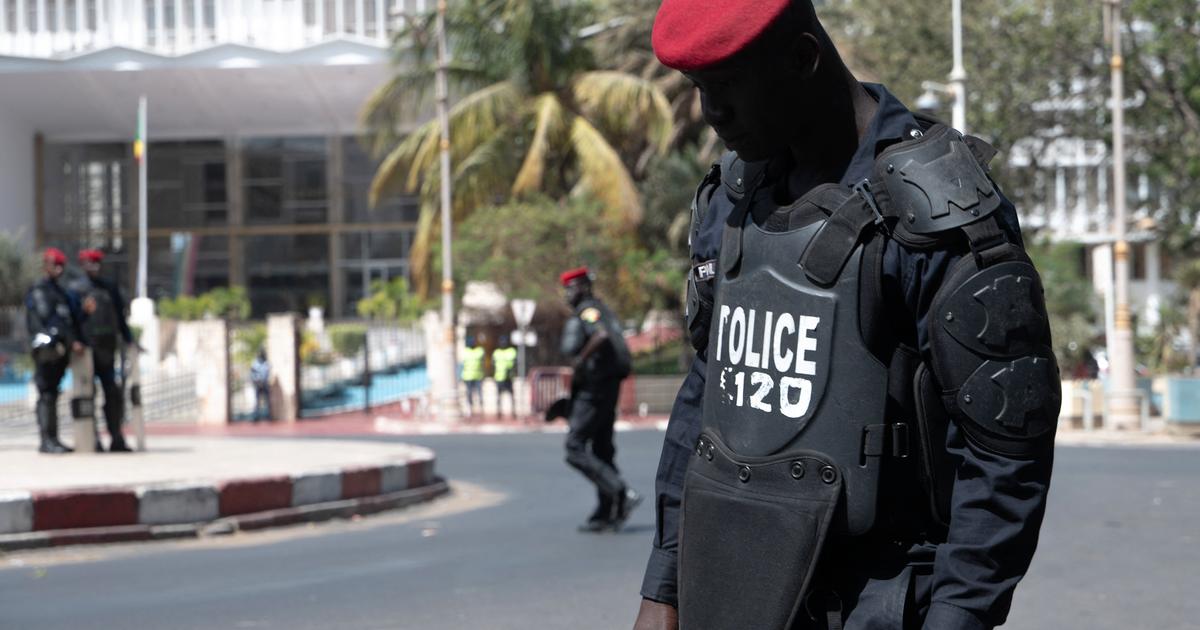
The night was still fresh when Amadou Bangoura’s routine took an unexpected turn. The 30-year-old Béninois student had just finished his workout at the Liberté 6 gym around 10 p.m., unaware that his return home would soon turn into a distressing ordeal. The streets of Dakar were nearly empty, shops long closed, and only the occasional car lights pierced the darkness. Suddenly, a police patrol ordered him to stop. Two officers approached, their voices firm: ‘Your documents, now.’
Residing in Senegal for five years with a valid residency permit, Bangoura was left shaken by the experience. ‘I couldn’t help but wonder about the consequences,’ he admitted. His story is not unique—it reflects a broader trend of intensified foreigner checks sweeping through the capital and its outskirts. Between June 30 and July 8, authorities conducted 490 inspections under the banner of ‘strengthening public safety,’ resulting in 36 individuals being referred to prosecutors for irregular stays.
Disproportionate demands fuel distrust
Civil society leaders warn that the issue extends beyond mere policy enforcement. In a July 13 statement, they condemned the creeping normalisation of a ‘culture of perpetual suspicion’ toward foreigners. The communiqué highlights arbitrary arrests, ‘excessive bureaucratic hurdles,’ and ‘unjustified detentions,’ painting a picture of growing unease among migrant communities.
Tensions have further escalated online, where social media platforms like TikTok have become hotspots for hostility. Targeted remarks against Guinean nationals—who make up over 40% of Senegal’s foreign residents—have surged, with accusations of stealing jobs from locals. The rhetoric echoes troubling narratives seen in other African nations, such as South Africa, where anti-immigrant sentiment has gained alarming traction.
These developments coincide with Senegal’s recent assumption of the Economic Community of West African States (ECOWAS) presidency, raising questions about the country’s commitment to regional solidarity and its cherished Teranga (hospitality) tradition.