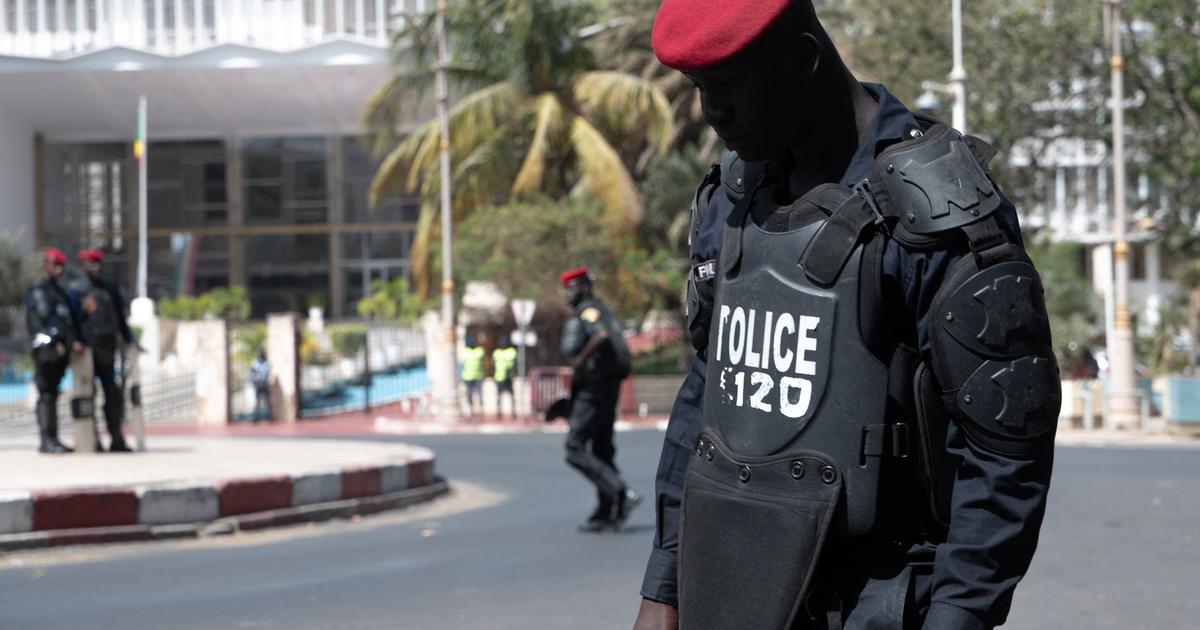
The evening was calm that night in Liberté 6, a quiet suburb of Dakar. Amadou Bangoura, a 30-year-old Beninese student, had just finished his workout and was heading home around 10 p.m. The streets were nearly empty, shops closed, and only a few car headlights cut through the darkness. Suddenly, a police patrol stopped him. Two officers stepped out and demanded to see his papers.
This was not an isolated incident. Over a nine-day period ending July 8, authorities conducted 490 spot checks on foreigners—mostly West African nationals—in Dakar and its outskirts. The stated goal? To “strengthen public safety.” Yet the operation left at least 36 people facing prosecution for irregular stay.
For Bangoura, who has lived legally in Senegal for five years, the experience left a lasting impression. “I wondered what would happen to me,” he admitted. His concerns reflect a growing unease among long-term residents who say the sweeping crackdown is tarnishing Senegal’s reputation for teranga—a Wolof word meaning hospitality.
Disproportionate demands spark criticism
Civil society groups have criticized what they call a “banalization of suspicion” toward foreigners. In a July 13 statement, they condemned arbitrary arrests, “excessive administrative hurdles,” and “prolonged detentions.” The crackdown comes at a delicate moment: Senegal has just assumed the rotating presidency of the Economic Community of West African States (ECOWAS).
Social media has amplified tensions, with hostile TikTok videos targeting Guinean migrants—who make up over 40% of Senegal’s foreign population—accusing them of stealing jobs from locals. Such rhetoric echoes troubling trends seen in South Africa, where xenophobic activists have recently gained traction.
Senegal’s dual challenge: security vs. hospitality
While authorities insist the checks are necessary for security, critics argue the approach undermines Senegal’s long-standing tradition of openness. The sudden surge in controls has left many foreign residents questioning their safety and sense of belonging in a country they once called home.