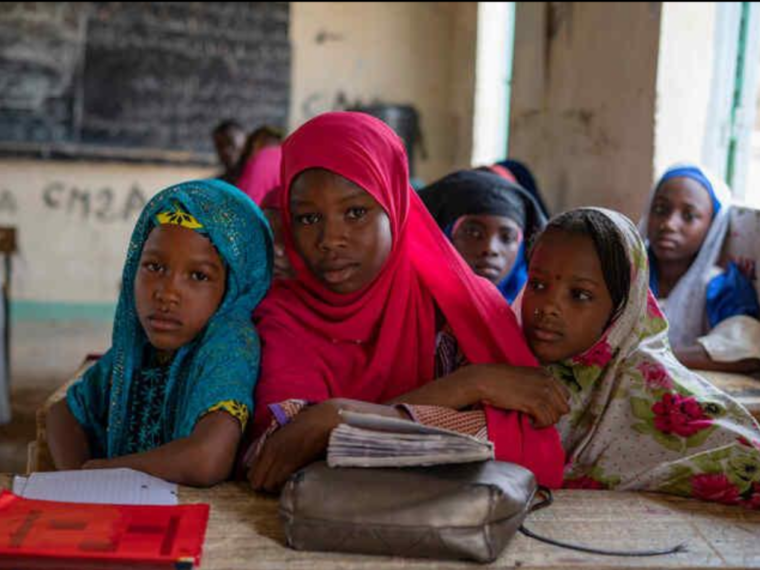
Diffa schools are now open to all communities, a decision reversing previous restrictions that had sparked controversy over fundamental rights in Niger. The move follows months of administrative measures affecting education access, particularly for the Mohamid community, and raises critical questions about security versus rights.
Ending restrictions in Diffa’s education system
The announcement that schools in Diffa are accessible to every child, regardless of origin or community affiliation, marks a significant shift in Niger’s approach to education policy. Previously, administrative decisions had limited access for certain groups, with reports indicating closures of schools and water points, as well as the reassignment of teachers in October 2026. Additional restrictions reportedly affected healthcare access and civil registry services.
These measures were implemented under the justification of national security, particularly in the Lake Chad basin region, where armed groups like Boko Haram have disrupted stability. However, the sweeping nature of the restrictions raised immediate concerns about collective punishment and discrimination.
Security measures vs. fundamental rights: the debate intensifies
Local authorities defended the closures as necessary to protect students, teachers, and public infrastructure. Yet reports suggested that restrictions on the Mohamid community may have extended beyond security concerns, with claims that public facilities were being used exclusively. Such assertions underscore a broader challenge: balancing security imperatives with the protection of civil liberties.
Human rights groups argue that restrictions affecting entire communities violate Niger’s obligations under international law, including the Convention on the Rights of the Child, which guarantees every child’s right to education without discrimination. The inclusive school reopening aims to address these concerns while maintaining public order.
Impact on children and families in Diffa
The prolonged closure of schools has already disrupted the education of thousands of children in Diffa, exacerbating existing inequalities. Many families faced impossible choices—relocating to safer areas, withdrawing children from school, or accepting precarious living conditions. The reopening offers hope, but ensuring continuity requires more than just open doors.
- Teachers must return to classrooms
- School supplies and infrastructure must be restored
- Families need assurance that restrictions won’t return based on community affiliation
Without these measures, the risk of prolonged absenteeism and dropout rates remains high, further marginalizing vulnerable groups.
Reopening as a test for national cohesion
Diffa’s inclusive school policy represents more than an administrative decision—it is a test of Niger’s commitment to equality and social cohesion. Public schools serve as unifying spaces where children from different backgrounds learn, interact, and build shared futures. Excluding any group undermines this mission.
For the reopening to succeed, authorities must engage with affected communities, clarify the legal basis for any restrictions, and ensure transparent enforcement. This approach would rebuild trust between citizens and the state while demonstrating that security and rights can coexist.
Looking ahead: education as a foundation for peace
The path forward demands sustained investment in Diffa’s education system. Schools must be protected, teachers supported, and policies designed to prevent future exclusions. For a generation already scarred by displacement and violence, access to learning is not just a right—it is a pathway to stability and development.
Niger’s leaders now face a dual challenge: upholding security without sacrificing the principles of fairness and inclusion that underpin a functioning society. Diffa’s reopening is a critical step, but the work to guarantee every child’s right to education is far from over.