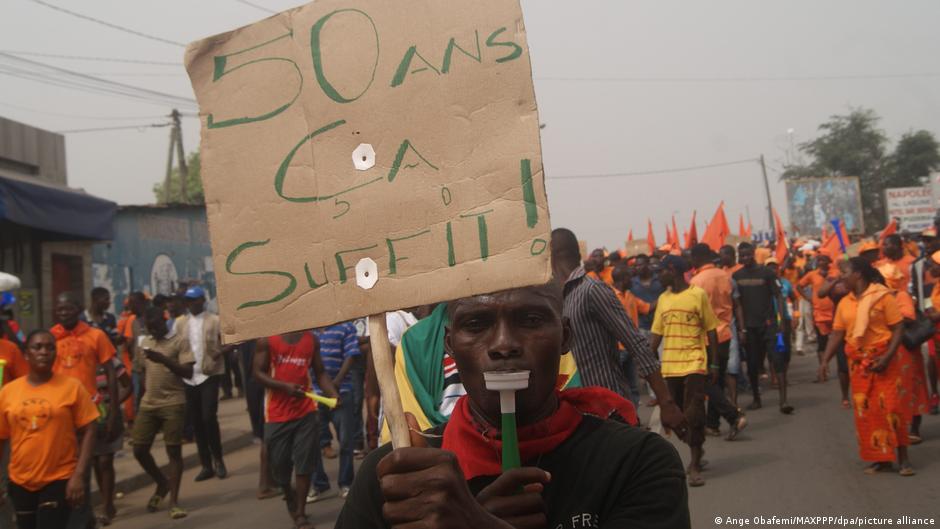
Exactly one year ago, on June 26, 2025, Togo was scarred by one of the most tragic occurrences during the series of protests that gripped the nation. On that fateful day, Jacques Koami Koutoglo, a mere 15-year-old, succumbed to his injuries under circumstances that continue to fuel public indignation and unanswered inquiries. His body was subsequently discovered in the lagoon following the tumultuous events.
Beyond the profound human tragedy, this case has come to symbolize the accusations of violence perpetrated against civilians during popular mobilizations. For numerous observers, the death of a minor during a demonstration serves as a stark reminder of the human toll exacted by the persistent political tensions within Togo.
Yet, for Jacques’s family, the profound sorrow extended beyond his initial loss. Weeks following his demise, authorization for a commemorative mass on the 40th day, planned for July 8, 2025, was withheld by authorities. This decision deeply affected his loved ones, who perceived it as a direct affront to their right to mourn with appropriate solemnity.
In the view of many Togolese citizens, preventing a family from honoring their child’s memory is tantamount to prolonging their suffering. Irrespective of political disagreements, the inherent right to mourn a loved one and pay tribute is a cornerstone of fundamental liberties and respect for human dignity.
A year later, the name Jacques Koami Koutoglo remains inextricably linked to demands for truth, justice, and the eradication of impunity. His untimely death continues to galvanize calls for independent investigations into the violence that characterized the June 2025 demonstrations, alongside the imperative to establish accountability.
Many believe that no lasting reconciliation can be achieved until victims’ families receive definitive answers regarding the precise circumstances of these fatalities and justice is duly served. For when a child’s life is extinguished within a context of political dissent, it compels an entire nation to reflect upon the safeguarding of fundamental rights and the responsibility incumbent upon those in power.