In a significant breakthrough, two European women—Eva Gretzmacher from Austria and Claudia Abbt from Switzerland—have been released after more than 18 months in captivity in Niger. Their transfer to Benghazi, Libya, marks a rare positive development in a region plagued by kidnappings and extremist violence.
Agadez: the epicenter of two high-profile abductions
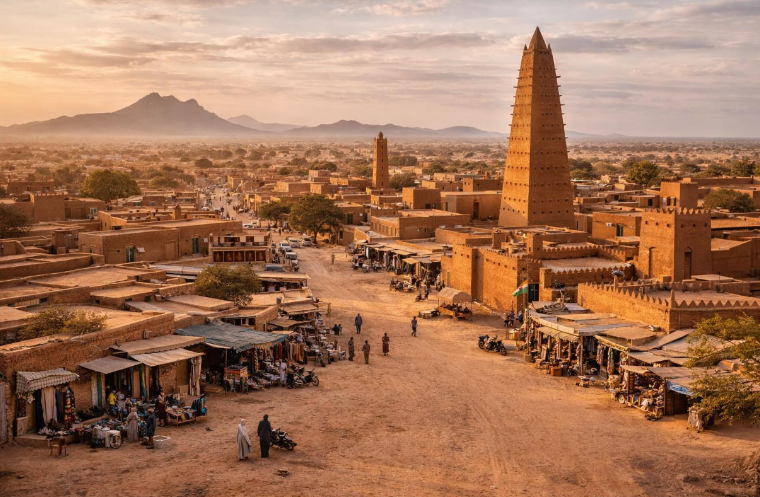
Both women were kidnapped in Agadez, a critical northern city in Niger known for its cross-Saharan trade routes. Gretzmacher was taken in January 2025, while Abbt was abducted three months later. Their ordeals shed light on the worsening security crisis in the Sahel, where foreign nationals remain prime targets despite heightened military presence.
Libya’s growing influence in regional hostage negotiations
Analysts now point to Libya’s strategic role in securing the women’s release. Benghazi, a stronghold of Khalifa Haftar, has emerged as a key transit point, with local sources suggesting informal mediation by Haftar-linked figures, including his son Saddam.
The specifics of the negotiations remain undisclosed, raising questions about possible concessions or conditions attached to their freedom. However, the involvement of eastern Libyan factions underscores the interconnected nature of Sahelian security, where borders offer limited deterrence against armed groups.
Niger’s security dilemma: between extremist threats and foreign warnings
The release offers temporary relief but does little to address Niger’s deepening instability. Jihadist factions, including the Islamic State in the Sahel, operate across porous borders, targeting civilians and foreigners alike. Agadez, once a hub of cultural exchange, now symbolizes the region’s vulnerability.
Travel advisories remain severe. Western governments continue to warn of extreme risks, with France and the U.S. urging citizens to avoid travel to Niger entirely. These alerts reflect persistent threats, from terrorist ambushes to targeted kidnappings, despite international counterterrorism efforts.
What’s next for the freed hostages?
While the women’s arrival in Benghazi is a milestone, their journey home is far from over. Officials must coordinate safe repatriation, ensuring medical and psychological support after prolonged captivity. Yet critical details—such as the identities of their captors and the negotiation terms—remain classified.
Sahel’s hostage crisis: a cautionary tale
This case highlights the fragility of regional security architectures. In a landscape where armed groups exploit weak governance and transnational mobility, hostage releases often hinge on opaque, behind-the-scenes deals. For Gretzmacher and Abbt, freedom is now a reality. For the Sahel, the struggle to curb such abductions continues unabated.