Geyser of toxic gas erupts from Niger oilfield as oversight fails
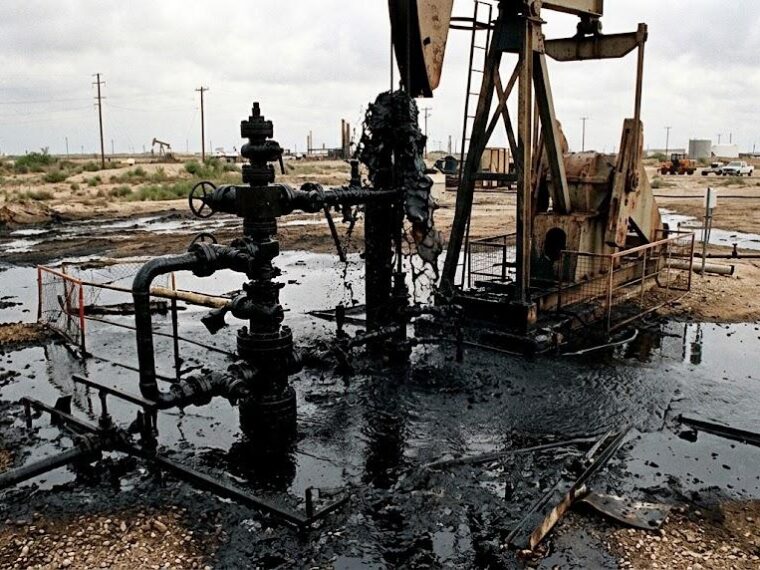
The failure of government regulators and corporate negligence have turned a mechanical breakdown into an unfolding environmental catastrophe in Niger’s Agadem oil block. Since late September 2026, the Goumeri W8 well has been spewing raw crude and toxic fumes across the Sahara, creating a visible oil slick and an invisible methane plume that scientists warn could rival major climate events.
Seventeen days of denied exposure
Niger’s government remained silent for over two weeks after the blowout began. It was not until mid-October that officials publicly acknowledged a “highly unusual environmental incident,” while the Chinese operator CNPC—a subsidiary of China National Petroleum Corporation—issued no statements, released no data, and took no visible action during the critical containment period.
What the official reports didn’t say
While government briefings mentioned oil shooting 10 meters into the air and threats to nearby wells like Goumeri W3 and W4, they omitted the most dangerous truth: a continuous torrent of methane. Satellite data from the European Copernicus program reveals:
- Relentless methane surge: The well is releasing more than 40 tonnes of methane every hour—an invisible threat far exceeding the visible crude spill.
- Impact on global warming: Over three weeks, the leak added over 17,000 tonnes of methane to the atmosphere. Over 20 years, methane traps heat 80 times more effectively than carbon dioxide.
- Uncontrolled emissions: Despite official claims of partial containment, satellite readings show no reduction in gas output since the eruption began.
Profit over safety: the hidden cost of Niger’s oil rush
This disaster is not accidental—it’s the predictable result of prioritizing output over safety. Niamey set a goal to double production to 90,000 barrels a day to feed an export pipeline to Benin, pushing facilities beyond safe operating limits. Two workers injured in the initial blast are testimonies to that gamble. In a last-ditch effort to control the blowout, the government was forced to import emergency drilling experts from Algeria’s Sonatrach, highlighting a dangerous gap between ambition and capability.
No quick fix for an open-air poisoning
With crude spreading across the dunes and methane saturating the air, the long-term damage is already unfolding. The Sahara is not an industrial waste dump. The absence of immediate fatalities does not absolve CNPC of responsibility or absolve the state of its duty to protect people and planet from an ongoing poison at the surface.