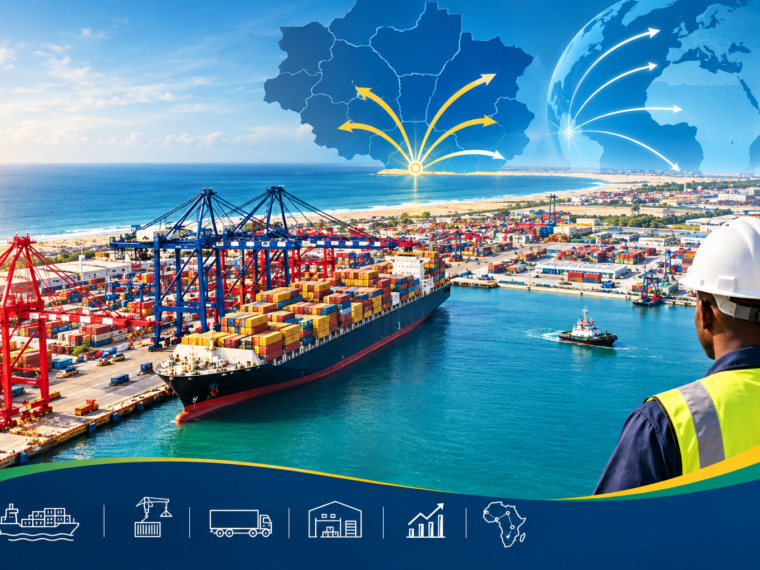
The Port of Cotonou is undergoing a historic shift, no longer content to serve as a regional transit point but positioning itself as a dynamic logistics hub for West Africa. This transformation is evident in recent traffic data, which reveals a 52% surge in overall tonnage and a dramatic 312.6% increase in transshipment activities, signaling a new era of economic momentum.
From gateway to regional redistributor
The Port’s new strategy reflects a deliberate move away from traditional hinterland dependence. While Niger, Burkina Faso, and Mali remain key markets, the focus has expanded to include transshipment, redistribution, and export-oriented activities. This diversification is particularly evident in the transshipment sector, which saw a 152.1% increase in the first half of 2026 compared to the same period in 2025, reaching 516,558 tonnes.
The Port of Cotonou is no longer merely a destination for goods destined for Benin or its immediate neighbors. It is evolving into a redistribution platform, facilitating the movement of cargo across multiple regional routes. This shift is transforming the port’s role from a local facilitator to a regional trade organizer.
The resilience behind the growth
Despite facing significant regional disruptions including the closure of the Benin-Niger border and broader trade tensions the port’s traffic has continued to rise. This resilience underscores the effectiveness of ongoing modernization efforts, which include infrastructure upgrades, digitalization initiatives, and expanded port capacity.
Major investments, such as the Terminal 5 expansion and the development of the Zongo central access zone, have been crucial. Funded in part by a 60 billion FCFA loan from the African Development Bank, these projects aim to enhance operational efficiency and accommodate larger vessels, further boosting the port’s competitiveness.
A multi-corridor strategy for long-term stability
One of the most significant shifts in the port’s strategy is its move away from reliance on a single trade corridor. Historically, Cotonou’s success was closely tied to its hinterland connections, particularly with Niger. Today, the port is actively cultivating alternative routes, including trade with Nigeria and other West African markets.
This diversification is essential in an environment marked by frequent disruptions security crises, diplomatic tensions, border closures, and rising logistics costs. A high-performing port is no longer just one that handles large volumes; it is one that can attract new flows, process them efficiently, and redistribute them reliably, even amid regional instability.
Driving economic transformation beyond the docks
The impact of the Port of Cotonou extends far beyond its physical infrastructure. As the gateway for nearly 14.7 million tonnes of cargo in 2025, the port fuels an extensive economic ecosystem encompassing road transport, warehousing, trade, finance, and digital services. Each incremental increase in port activity ripples through the national economy, enhancing competitiveness for Beninese businesses and improving access to international markets.
The port’s modernization program, valued at over 450 million euros, is not merely an infrastructure investment it is a strategic move to elevate Benin’s productive and commercial capacity. This transformation aligns with the country’s broader industrial ambitions, particularly through the growth of the Glo-Djigbé Industrial Zone (GDIZ), which is positioning Benin as a hub for processed goods rather than just re-exports.
Export growth: a new frontier for Benin
Exports handled by the port surged by 33.3% in the first half of 2026, reaching 2.87 million tonnes compared to 2.16 million in the same period of 2025. This growth is driven by increased industrial production and the rise in Nigerian crude oil exports passing through Benin. Such diversification is critical for Benin’s economic resilience, reducing dependence on traditional trade patterns and fostering a more balanced economic model.
The Container Port Performance Index, compiled by the World Bank and S&P Global Market Intelligence, reflects this progress. In 2024, Cotonou climbed nearly 100 places in the ranking, from 402nd out of 405 ports in 2023 to 303rd out of 403 in 2024 a testament to its rapid improvements in efficiency and competitiveness.
The path forward: challenges and opportunities
While the port’s transformation is undeniable, challenges remain. Improving corridor fluidity, reducing logistics costs, enhancing security, and advancing digitalization are critical priorities. Reclaiming lost hinterland markets, particularly in Niger, also requires continued diplomatic and operational efforts.
Yet the trajectory is clear: the Port of Cotonou is no longer playing defense. It is aggressively pursuing new trade flows, reinforcing its position as a key node in West Africa’s logistics network, and positioning Benin as an indispensable player in regional commerce. The question is no longer whether Cotonou can meet these ambitions but how quickly it will achieve them.