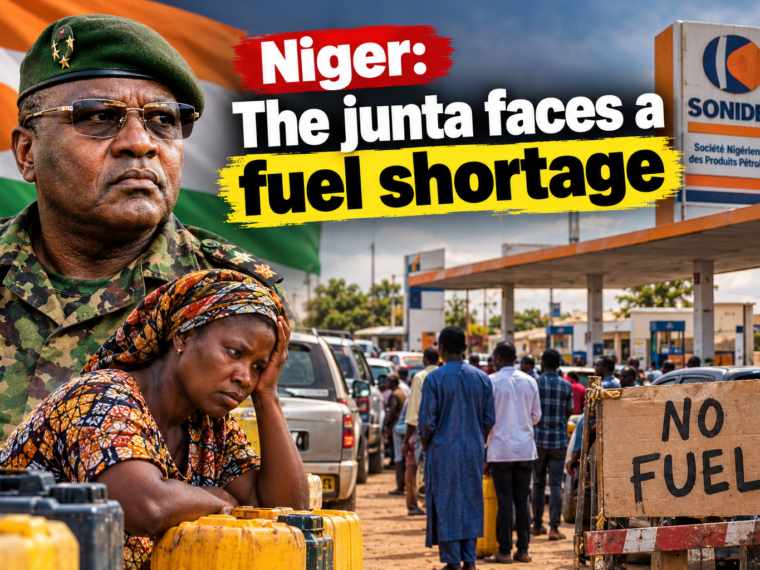
The Nigerien capital, Niamey, is experiencing severe disruptions due to worsening fuel shortages, impacting transportation, commerce, and daily life. Despite being an oil-producing nation, the country now faces critical supply inadequacies that expose systemic vulnerabilities in its energy sector.
The crisis has escalated across Niamey, where fuel scarcity paralyzes taxi operations, hampers commercial deliveries, and strains household budgets. For residents, securing fuel has become a daily challenge amid an already strained economic climate.
Economic ripple effects across multiple sectors
The ramifications extend beyond fuel stations. Transport costs are climbing as drivers ration limited supplies, while small businesses struggle to maintain supply chains. Long commutes, delayed shipments, and inflated costs are straining livelihoods, particularly for low-income families and independent entrepreneurs.
Industries reliant on diesel generators, agriculture, and logistics are also feeling the pinch. The absence of reliable fuel access undermines productivity and economic stability, creating a cycle of uncertainty for both producers and consumers.
The contradiction of oil wealth versus fuel scarcity
Niger’s paradoxical situation possessing significant oil reserves yet failing to ensure consistent domestic fuel supply stems from structural inefficiencies. Production volumes do not guarantee availability; a breakdown in logistics, refined product distribution, or storage capacity can disrupt the entire supply chain.
Key factors contributing to shortages include:
Logistical bottlenecks: Delays in transporting refined products from refineries to distribution points.
Storage constraints: Inadequate infrastructure to hold sufficient stockpiles during peak demand.
Market demand surges: Sudden increases in consumption outpacing supply adjustments.
Distribution failures: Inefficiencies in regional allocation and last-mile delivery.
Without transparent data on stock levels, refining outputs, and distribution flows, clarifying the root causes remains speculative.
Military governance under scrutiny
The shortages arrive at a pivotal moment for Niger’s military leadership, which seized power in July 2023. Under heightened public expectations to restore sovereignty, security, and economic vitality, the junta faces mounting pressure to deliver tangible improvements.
Fuel access is now a litmus test for governance legitimacy. When citizens experience shortages of essential services despite national resource wealth they question whether state resources are being managed in their interest. For a government prioritizing economic independence, the inability to maintain basic fuel supply undermines its credibility.
The crisis demands more than rhetoric; it requires concrete action. Authorities must disclose accurate stock levels, projected recovery timelines, and corrective measures to restore normalcy. Opacity fuels speculation and erodes trust, while transparency could help differentiate temporary disruptions from deeper systemic failures.
Path forward: action over declarations
Resolving the fuel shortage requires a multi-pronged strategy. Immediate priorities include:
Conducting transparent audits of storage and refining capacities.
Enhancing coordination between production, refining, and distribution sectors.
Implementing phased supply allocations to safeguard essential services and prevent hoarding.
Introducing short-term import measures to bridge supply gaps, if necessary.
The junta’s challenge is clear: transition from crisis management to sustainable solutions. For Nigerien citizens, the proof of effective governance lies not in political declarations, but in reliable access to fuel a necessity that fuels movement, commerce, and daily survival.
By Thomas Nkoulou — Journalist