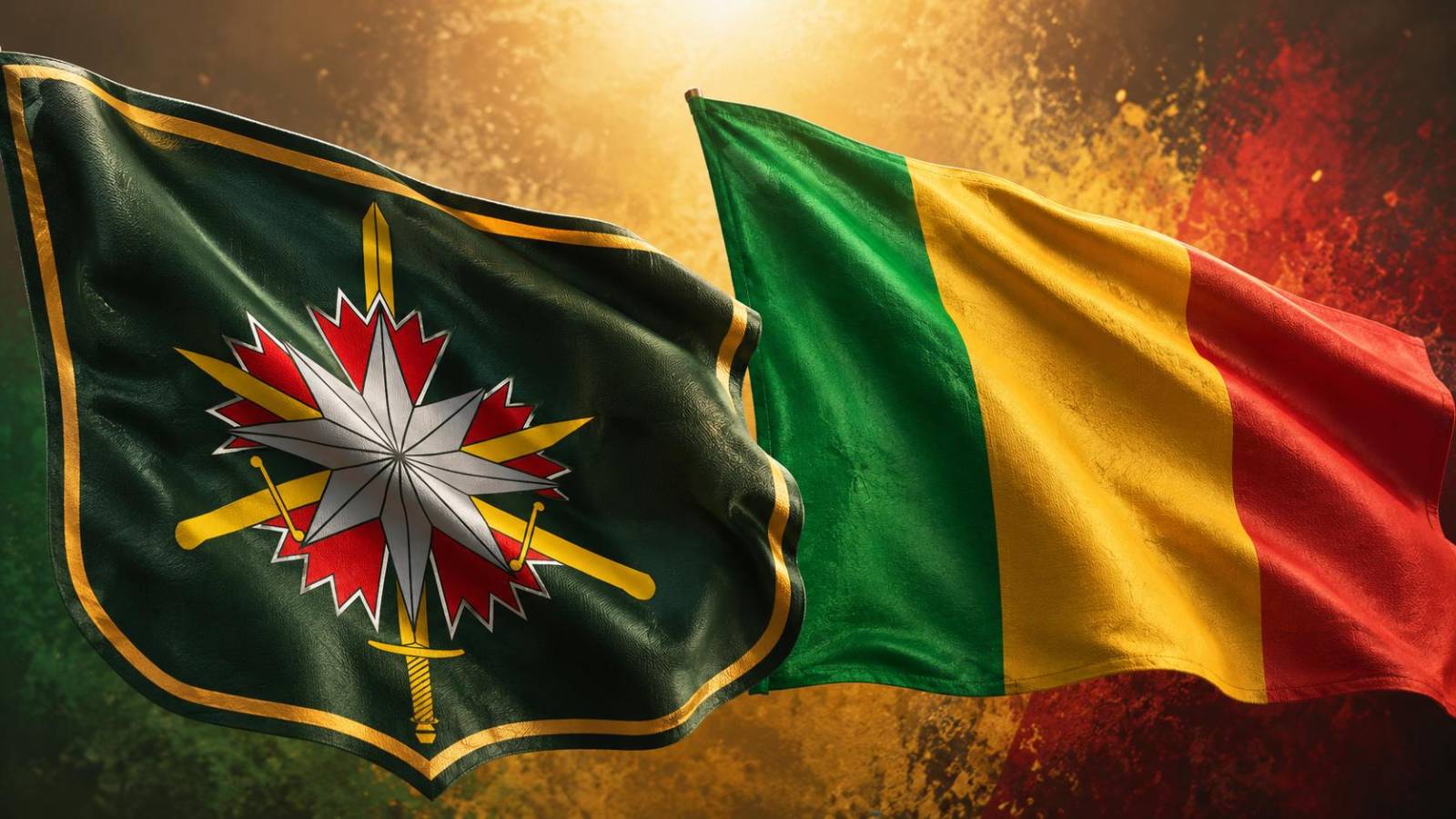
The once-vaunted reputation of Russian paramilitary forces in the Sahel is facing its toughest test yet in the dusty streets of Anéfis, a critical stronghold in northern Mali. Recent clashes in this strategic crossroads have sent shockwaves through West African diplomatic circles, raising doubts about the long-term viability of the Africa Corps’ security doctrine in the region.
The strategic importance of Anéfis
Anéfis sits on a vital road axis linking the capital Bamako to Kidal, a bastion of Tuareg rebellion. Its control is more than just symbolic—it’s a logistical lifeline. Yet during a recent joint operation, Malian armed forces (FAMa) and their Russian advisors found themselves overwhelmed in a battle that quickly spiraled into tactical disaster.
Tactical blunders and heavy losses
A coalition of local armed groups—combining the mobile guerrilla tactics of the Cadre stratégique permanent (CSP-DPA) with the asymmetric warfare of jihadist factions—ambushed the Africa Corps detachment. The result was catastrophic: destroyed armored vehicles, abandoned heavy equipment, and a staggering number of casualties, including captured and killed soldiers. The images emerging from the battlefield starkly contrast with the ironclad propaganda peddled by Bamako and Moscow.
Why Africa Corps is struggling in the Sahel
Moscow’s narrative of rapid, decisive military superiority in the Sahel is now under scrutiny. The battle of Anéfis has exposed three critical weaknesses:
- Isolation and unsustainable logistics: Maintaining remote garrisons in the vast Sahara against hyper-mobile indigenous fighters drains resources at an alarming rate.
- Intelligence gaps: Despite advanced surveillance tech, Africa Corps consistently underestimates the resilience and tactical coordination of rebel forces in northern Mali.
- Overstretched resources: Russia, bogged down by global conflicts, cannot indefinitely deploy elite troops to the Sahel. Africa Corps’ limited numbers are stretched thin across a territory as vast as Europe.
Bamako’s gamble backfires
The Malian transitional government has staked its security strategy entirely on Russian support. But as Africa Corps falters in ambushes and attrition, the entire premise of regaining full territorial control crumbles. The battle of Anéfis is no minor setback—it signals that brute force alone cannot resolve deep-seated political and identity crises in the region.
For the Kremlin, the Sahel is no longer a low-cost influence operation. It is morphing into a costly quagmire, where sand and shadows swallow even the most vaunted military machines.