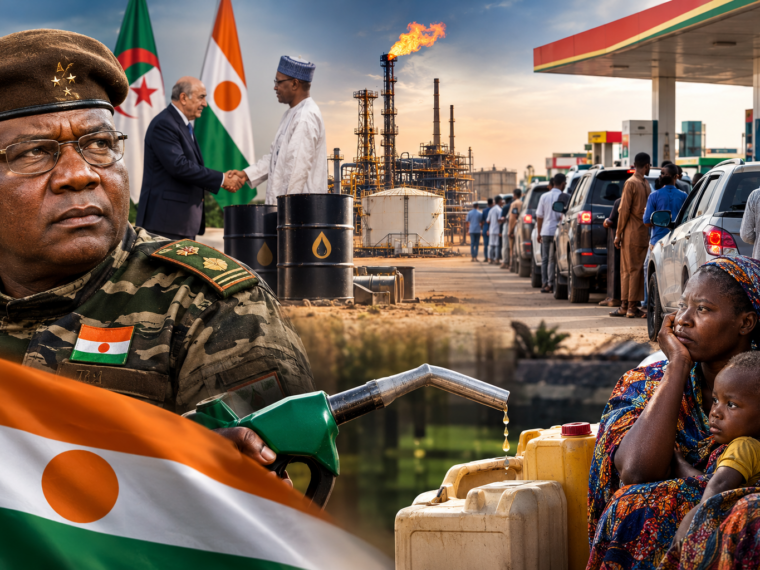
The recent security agreement between Algeria and Niger spotlights a pressing domestic issue: a persistent fuel shortage plaguing the West African nation despite its oil production capabilities. As Niamey strengthens diplomatic and strategic ties, a critical question lingers why does a petroleum-rich country struggle to meet its own energy demands?
An energy paradox with real-world consequences
The contradiction is stark. Niger possesses oil reserves and has developed infrastructure for extraction and refining. Yet, fuel scarcity remains a daily challenge. Long queues at gas stations, disrupted transportation, and stalled economic activities reveal the tangible impact on citizens, businesses, and local enterprises. The issue extends beyond production it centers on distribution, resource control, and equitable access.
Unanswered questions in the oil supply chain
Where does Niger’s extracted oil go? How much is allocated for domestic use, and how much is exported? Are refining, storage, and distribution systems adequate to meet national needs? These are the pressing questions demanding clear, data-backed answers from authorities. Without transparency, the gap between resource wealth and public benefit widens.
Foreign partnerships under scrutiny
The growing influence of external actors in Niger’s strategic sectors, including Russia’s rising role in the Sahel, raises concerns about the terms of economic and security agreements. While such partnerships may address regional instability, they do not inherently solve domestic energy shortages or ensure fair resource management.
Sovereignty must deliver tangible results
Claims of heightened sovereignty over natural resources must translate into concrete outcomes: consistent fuel supply, affordable pricing, and transparent revenue management. Security collaborations, while valuable, cannot substitute for effective energy policies. The true test of sovereignty lies in converting resources into measurable benefits for the population.
A population’s demand for accountability
Many Nigériens ask a simple yet profound question: what good is oil wealth if it fails to secure domestic fuel availability? Sovereignty is not merely measured by the number of signed agreements but by a state’s ability to harness its resources for the greater good. Until fuel shortages are resolved, rhetoric about economic independence will face skepticism. The priority now is to address supply chain ambiguities, clarify accountability, and ensure strategic decisions prioritize national interests above all.
By Agnès Mvogo — Journalist