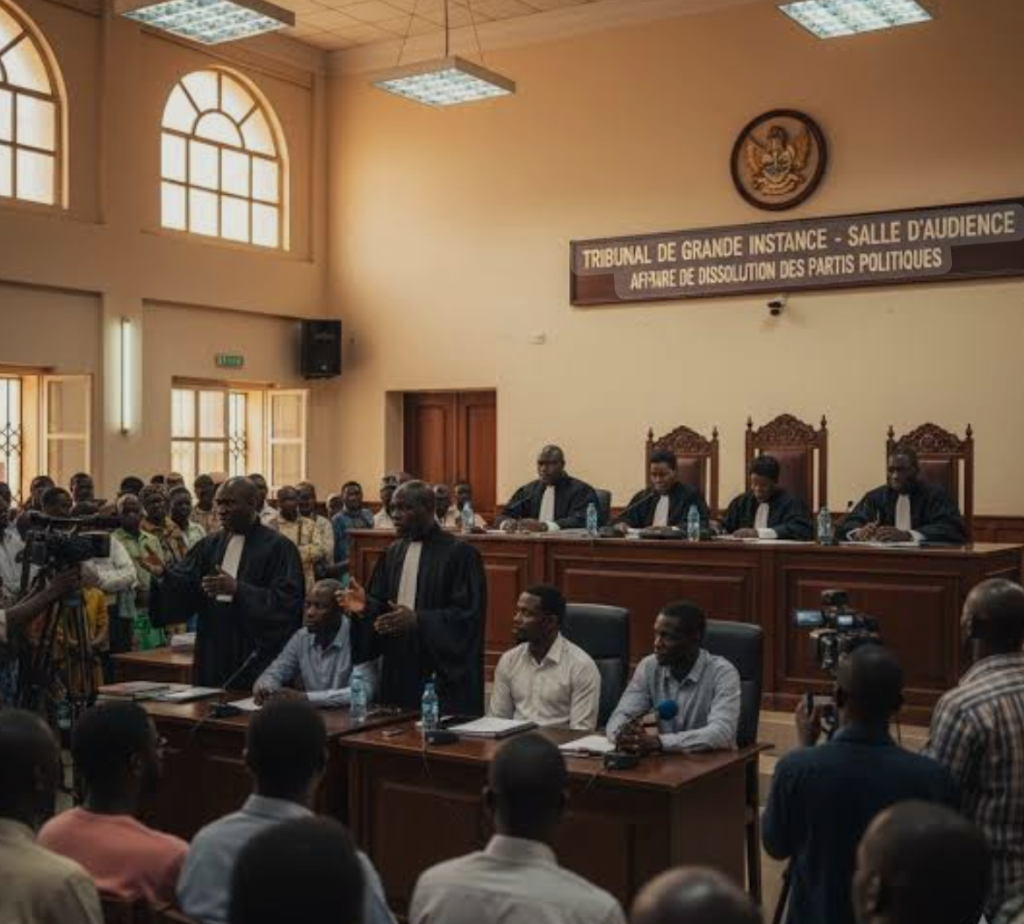
The atmosphere in Bamako’s courtroom turned electric on Monday, July 20, as an unprecedented twist unfolded during the high-profile trial of soldiers and civilians accused of plotting to overthrow the military junta. Among the defendants was a traditional healer, whose alleged mystical involvement in the coup attempt added an eerie dimension to the proceedings. But what unfolded next was nothing short of surreal—sending shockwaves through the judicial system and leaving observers stunned.
The trial under scrutiny: where justice meets the supernatural
The trial, already charged with political significance, took an unexpected turn when the traditional healer was called to the stand. While the case revolved around allegations of treason and destabilization, the mere presence of a figure accused of wielding spiritual influence sent ripples of unease through the courtroom. Such intersections of mysticism and politics, though rare, are not unheard of in the region—but the events that followed were anything but ordinary.
A shocking collapse: when the accuser falters
The prosecution’s case took a dramatic turn when the State Counsel, tasked with delivering damning testimony against the accused, suddenly faltered at the podium. Mid-sentence, the official clutched their chest, gasping for air before collapsing in full view of the stunned audience. The abrupt collapse triggered immediate panic among court staff, with the Prosecutor and Clerk hastily retreating from the bench in disarray. With no clear explanation for the incident, the presiding judge had no choice but to adjourn proceedings until the next day, leaving the courtroom in a state of collective bewilderment.
Unexplained disorientation during transport
If the courtroom drama wasn’t enough, the transport of the traditional healer back to detention took an equally unsettling turn. The escort vehicle, driven by a senior officer, experienced an inexplicable malfunction as the driver reportedly suffered sudden dizziness, struggling to control the vehicle. Though the convoy reached its destination without incident, the episode deepened suspicions among onlookers, with whispers in the corridors suggesting the healer’s alleged spiritual prowess might have played a role.
A prison official, speaking anonymously, hinted at the healer’s possible initiation in Bénin, a country famed for its potent traditional charms—a remark that only fueled the already charged atmosphere.
The psychology behind the panic: when belief overshadows reason
Beyond the spectacle, this episode reveals a deeper psychological undercurrent: the profound impact of cultural beliefs on institutional proceedings. In many West African societies, traditional healers command a mix of reverence and fear, especially when their reputed powers intersect with legal proceedings. When an authority figure—like the State Counsel—experiences an unexplained collapse at the precise moment they are denouncing someone accused of wielding supernatural influence, the mind instinctively seeks supernatural explanations.
This phenomenon is rooted in suggestion: the mere presence of the accused amplifies stress among those involved, triggering a domino effect of panic. Physiological reactions, such as fainting or dizziness, are then reinterpreted through a mystical lens, creating an environment where rationality struggles to prevail. For the judges, tasked with delivering justice based on evidence, the challenge is clear: how to reconcile legal rigor with the pervasive influence of cultural beliefs in the courtroom?
What lies ahead for the trial?
As the trial resumes on Tuesday, July 21, the stakes couldn’t be higher. Authorities will need to tread carefully, ensuring both the physical safety of all parties and the orderly conduct of proceedings. The health of the State Counsel will be closely monitored, while security around the traditional healer’s detention and appearances may be tightened.
Will calm return to the courtroom, or will further disruptions arise in a trial now entangled with politics, law, and tradition? One thing is certain: this case has already etched its place in Bamako’s judicial history, leaving observers to wonder what other surprises lie ahead.