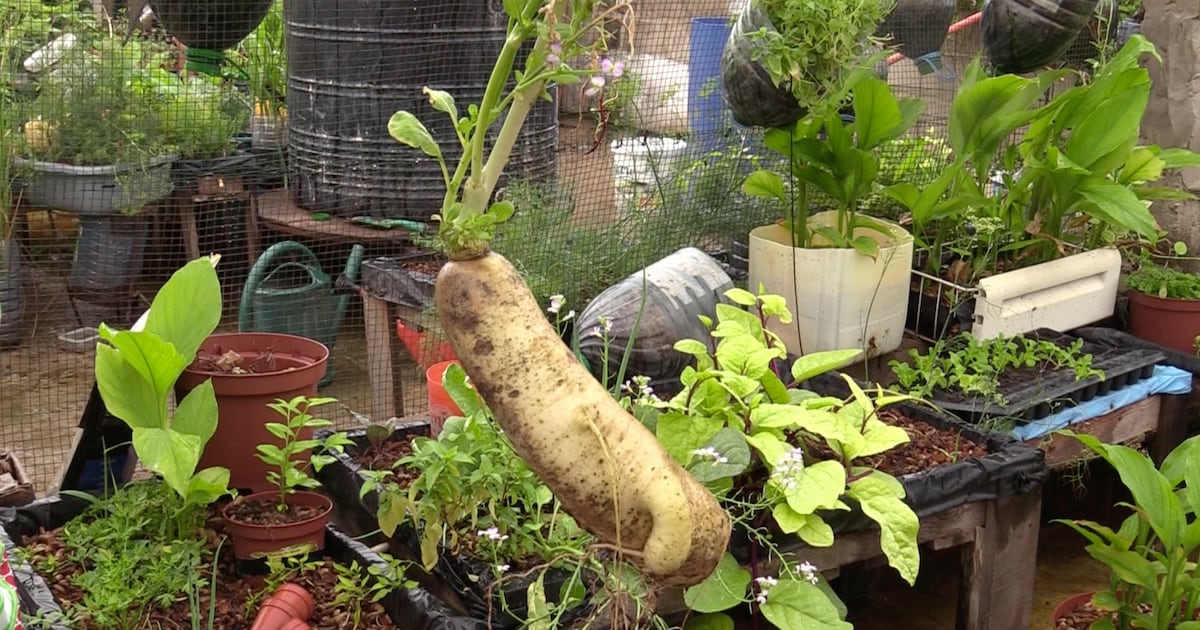
With rising demand for fresh, locally grown food in Bamako, Mali’s organic markets are gaining ground by promoting short supply chains and responsible consumption. For over a decade, the Resapac network has championed this model, empowering urban residents to access high-quality produce while ensuring fair pay for local farmers.
How Resapac connects producers and consumers
At the heart of this initiative is a three-tier system: producers, processors, and consumers. By eliminating middlemen, Resapac fosters transparency and sustainability from farm to table. Its collective governance model prioritizes eco-friendly farming practices, ensuring that every purchase supports both the environment and the community.
From Sotuba to four bustling markets
The network began with a single stall in Sotuba over ten years ago. Today, Resapac operates four thriving markets across Bamako: Sotuba, Badalabougou, Magnambougou, and Hippodrome. Each location serves as a direct link between farmers and shoppers, making organic food accessible without the premium price tags of imported alternatives.
Abdoulaye Sacko’s journey to organic farming
As a market gardener, Abdoulaye Sacko switched to organic farming years ago, thanks to a partnership with Mali Engrais. Now a proud member of Resapac, he grows vegetables using only natural inputs—no synthetic pesticides or fertilizers. “This network has transformed my work,” he says. “My earnings have improved, and I can offer customers produce they can trust.”
Why consumers choose Resapac’s markets
Djènèba Diallo, coordinator of Resapac’s markets, highlights the growing shift toward healthier eating. “Many shoppers arrive here after realizing how quickly conventional produce spoils compared to organic,” she explains. “Our products stay fresh for days, not hours, because they’re grown without harmful chemicals.”
She adds that Resapac’s model resonates with health-conscious buyers who want to know where their food comes from. “When you buy here, you’re not just a customer—you’re part of a movement that values transparency, fairness, and sustainability.”
A growing movement for sustainable food
Resapac’s success reflects a broader trend in Mali, where short supply chains are reshaping how people eat. By putting farmers first and cutting out unnecessary intermediaries, the network proves that organic food doesn’t have to be a luxury—it can be a standard choice for urban families.