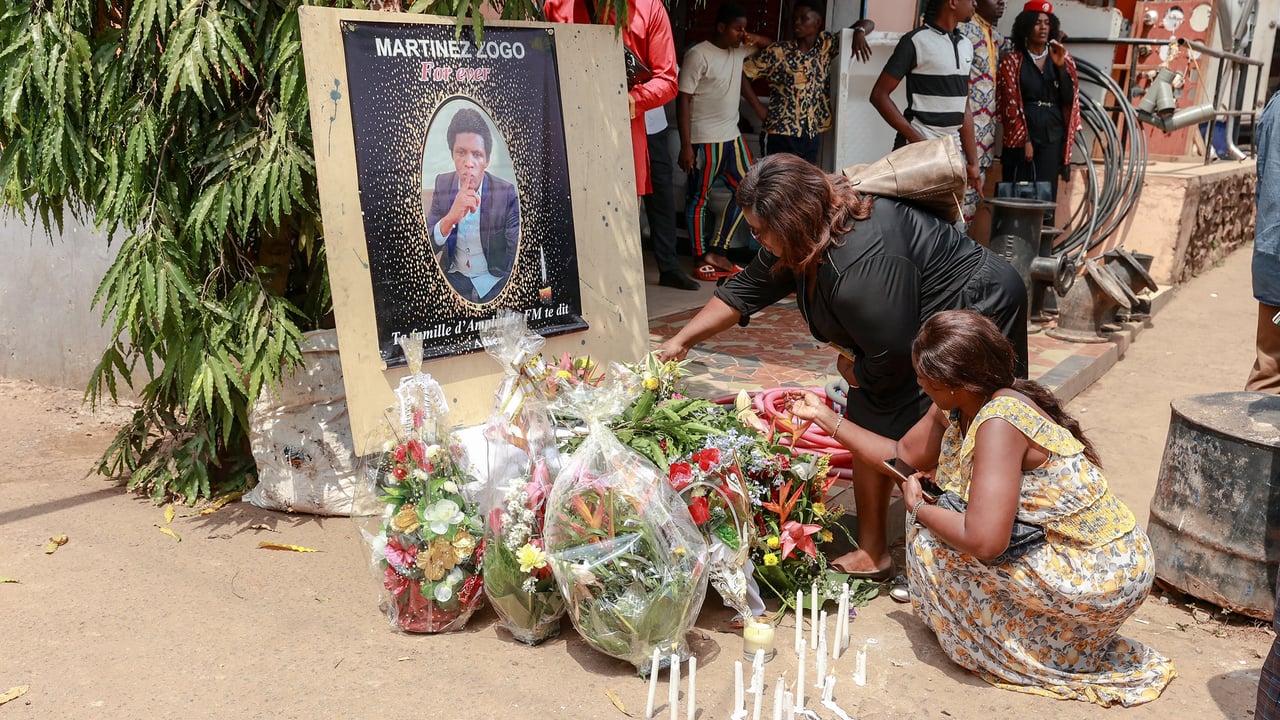

Yaoundé’s courtroom witnessed dramatic revelations this week as Colonel Otoulou took the stand in the ongoing trial centered on the tragic death of investigative journalist Martinez Zogo. The military officer’s testimony shed fresh light on the circumstances surrounding the case, prompting widespread public debate.
Key moments from the colonel’s testimony
The proceedings unfolded with unprecedented intensity as Colonel Otoulou detailed his involvement in the events that led to Martinez Zogo’s disappearance. His statements contradicted earlier official accounts, creating a stir among observers and legal experts alike.
Contradictions in official narratives
One of the most striking elements of the colonel’s account was his assertion that security forces had been monitoring Zogo’s movements for weeks prior to his abduction. This revelation directly challenges the government’s long-standing position that the journalist was merely a random victim of crime.
The officer described a chain of command decisions that ultimately led to Zogo’s transfer to an undisclosed location, where he was reportedly subjected to interrogation techniques that went far beyond standard procedures. These disclosures have raised serious questions about the boundaries of state authority and the protection of press freedoms in Cameroon.
Public reaction and legal implications
As news of the testimony spread, social media platforms erupted with demands for accountability. Civil society groups organized protests outside the courthouse, while international press freedom organizations issued urgent statements calling for a thorough investigation.
Legal analysts point out that Colonel Otoulou’s testimony could significantly alter the trajectory of the trial. His credibility will now be scrutinized intensely, as his statements may either corroborate or undermine the prosecution’s case against the accused officials.
What comes next in the investigation
The judge overseeing the proceedings has announced an expedited schedule for additional witness testimonies, including those from other security personnel who may have had direct knowledge of the events. A forensic team has also been tasked with re-examining existing evidence, particularly digital communications recovered from Zogo’s devices.
Meanwhile, the government has remained largely silent on the developments, offering no official response to the colonel’s allegations. This lack of transparency has only fueled speculation about potential cover-ups at the highest levels of the administration.
Why this case matters for Cameroon
The Zogo case has become a defining moment for Cameroon’s democracy, testing the nation’s commitment to justice and the rule of law. For years, journalists and civil society activists have faced mounting threats, with many questioning whether the country’s institutions can truly protect those who challenge powerful interests.
As the trial progresses, all eyes remain on Yaoundé. The outcome will not only determine the fate of those directly involved but will also send a powerful message about Cameroon’s future as a nation where truth and accountability prevail.