Chad’s capital embraces new wedding trends
In N’Djamena, wedding celebrations are undergoing a cultural metamorphosis that has sparked widespread discussion. While some view this evolution as harmless modernization, others see it as a gradual erosion of Chad’s authentic matrimonial heritage. The most noticeable shift? A growing adoption of Sudanese wedding customs that have quietly taken center stage in Chadian nuptials.
Sudanese influences reshaping Chadian marriage rituals
Modern N’Djamena weddings now frequently feature Sudanese-inspired elements that have become almost indistinguishable from local traditions. The groom receives intricate henné patterns on his hands and feet, mirroring his bride’s adornment. He is ceremonially escorted to the bride’s home, lifts her in his arms before the guests, and carries her again upon arrival at their new residence. Days later, another celebration occurs where he presents jewelry to his wife in front of both families—scenes that would feel more at home in Khartoum than in N’Djamena.
This contrasts sharply with Chad’s traditional wedding practices, which emphasized wisdom from elders, family respect, and restrained elegance. After the dowry was settled, the couple maintained minimal contact until the wedding day. The bride would leave her family home accompanied by maternal figures—her mother and grandmothers—who imparted timeless advice on patience, household management, forgiveness, and marital responsibility.
One unique tradition saw the bride’s family entrust her to neighbors a week after marriage. These neighbors would guide her through marital challenges, offering correction and encouragement—a practice that reinforced community bonds and collective responsibility for new households.
From griots to DJs: the changing soundtrack of celebrations
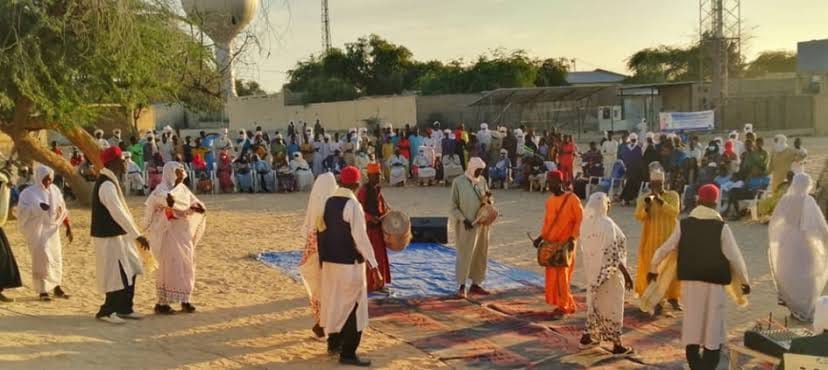
The festive atmosphere itself has transformed dramatically. Where once griots, traditional drummers, and communal songs narrated the couple’s journey through generations, today’s events feature modern DJs and choreographed performances. For cultural custodians, this shift represents more than entertainment—it’s the fading of oral histories that once defined Chad’s social fabric.
Across neighborhoods like Bololo, entire ceremonies now mirror Sudanese aesthetics: matching couple outfits, elaborate henné stations, Western-style music, and dramatic entrance choreography. Some guests admit they struggle to tell whether they’re attending a Chadian or Sudanese wedding.
Preserving heritage in a changing landscape
Local elders express concern that these changes prioritize spectacle over substance. « A Chadian wedding used to be a masterclass in life, » reflects a community leader. « The elders spoke, the youth listened, and everyone left with wisdom. Now we measure success by Instagram moments rather than life lessons. »
Maman Azma, director of the Lamy Fortain association, voices a similar worry: « Our daughters know foreign customs but can’t recount the traditions their grandmothers practiced. If we don’t pass these down, they’ll vanish forever. »
Not everyone views the changes negatively. One newlywed argues for cultural openness: « Borrowing beautiful traditions doesn’t mean rejecting our own. The key is preserving the values that make marriage meaningful. »
Cultural preservation experts emphasize that the solution lies in balance—not rejecting foreign influences but ensuring Chadian traditions remain visible in modern celebrations. The challenge ahead? Keeping the soul of Chadian weddings alive while navigating an era of global cultural exchange.