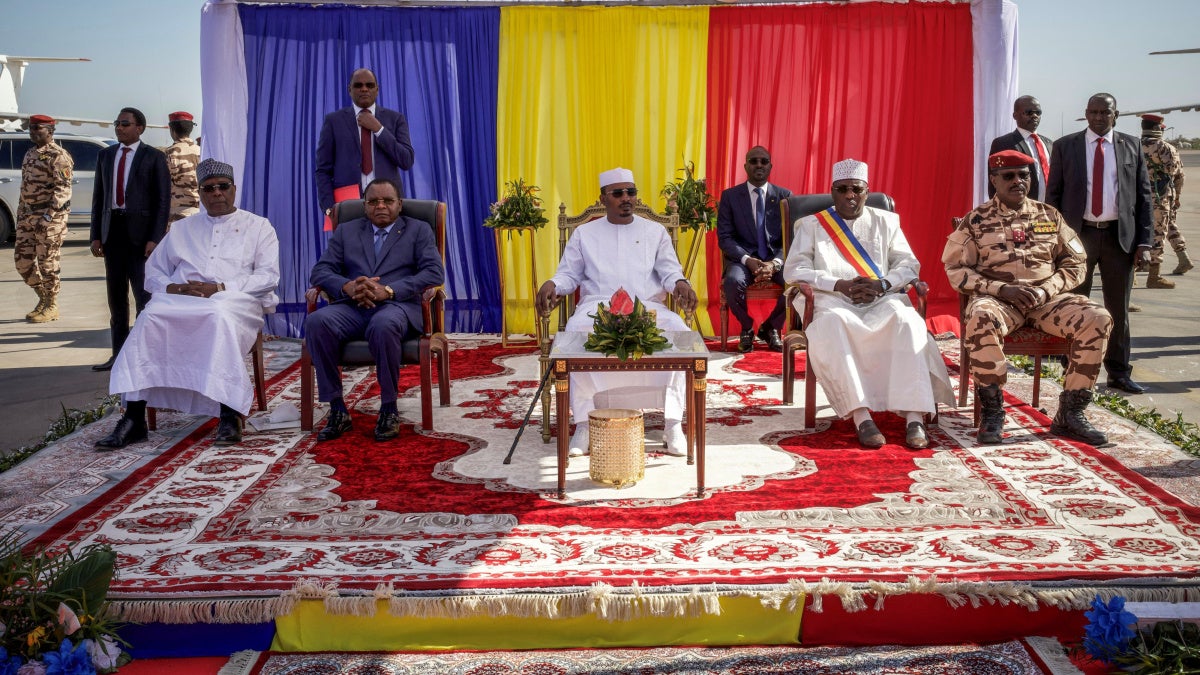
Key developments in human rights under Mahamat Idriss Déby
The political landscape in Tchad in 2025 has been dominated by President Mahamat Idriss Déby’s consolidation of power following his controversial 2024 election victory. Opposition figures, including activist Succès Masra, have faced severe repression, with Masra sentenced to 20 years in prison on charges of incitement and complicity in intercommunal violence. The amendment of constitutional rules to extend presidential terms from five to seven years—with no term limits—has further centralized authority, drawing criticism for undermining democratic checks and balances.
An amnesty law covering abuses from the 2022 protests has effectively silenced dissent, while unresolved land disputes and climate pressures have fueled deadly clashes between nomadic herders and sedentary farmers in southern and eastern regions. The humanitarian crisis has worsened due to ongoing violence and Sudanese refugee inflows, compounded by severe flooding that exacerbated food insecurity.
Escalating intercommunal violence
Despite government claims of mediation efforts, violent confrontations in Logone-Occidental, Mayo-Kebbi Ouest, and Ouaddaï provinces have intensified. In Mandakao, clashes over disputed land boundaries resulted in 41 deaths, while machete attacks in Orégomel killed 17, including women and children. Tribal violence in Molou claimed around 20 lives in mid-June, highlighting deep-rooted tensions over resource scarcity and unregulated migration routes.
Political repression and constitutional overhaul
The arrest of Succès Masra—aligned with the Les Transformateurs opposition party—on charges tied to the Mandakao violence, along with his swift conviction, has stifled political opposition. The 2023 Kinshasa Agreement, which had suspended his arrest warrant, was disregarded, raising concerns over the erosion of democratic norms. In September, parliament approved constitutional reforms extending presidential terms and eliminating term limits, a move condemned for concentrating power in the presidency.
Unresolved abuses and judicial impunity
Investigations into the 2024 post-election violence—where security forces allegedly used live ammunition—have stalled, leaving at least 11 dead and no accountability. The death of opposition leader Yaya Dillo during a security raid on his party headquarters remains uninvestigated, despite international calls for transparency. Other dissidents, including journalist Makaila Nguebla and activist Charfadine Galmaye Saleh, have had their citizenship revoked, pushing them into exile.
Persecution of journalists and LGBTQ+ rights
Journalists Olivier Monodji and Mahamat Saleh Alhissein were detained on espionage charges linked to alleged ties with the Wagner Group, a Russian mercenary outfit active in the Sahel. Their prolonged detention violated international detention standards. Meanwhile, Tchad‘s penal code criminalizes same-sex relations under Article 354, imposing prison sentences and fines for consensual LGBTQ+ conduct.